By Trump's Side
Four Channels
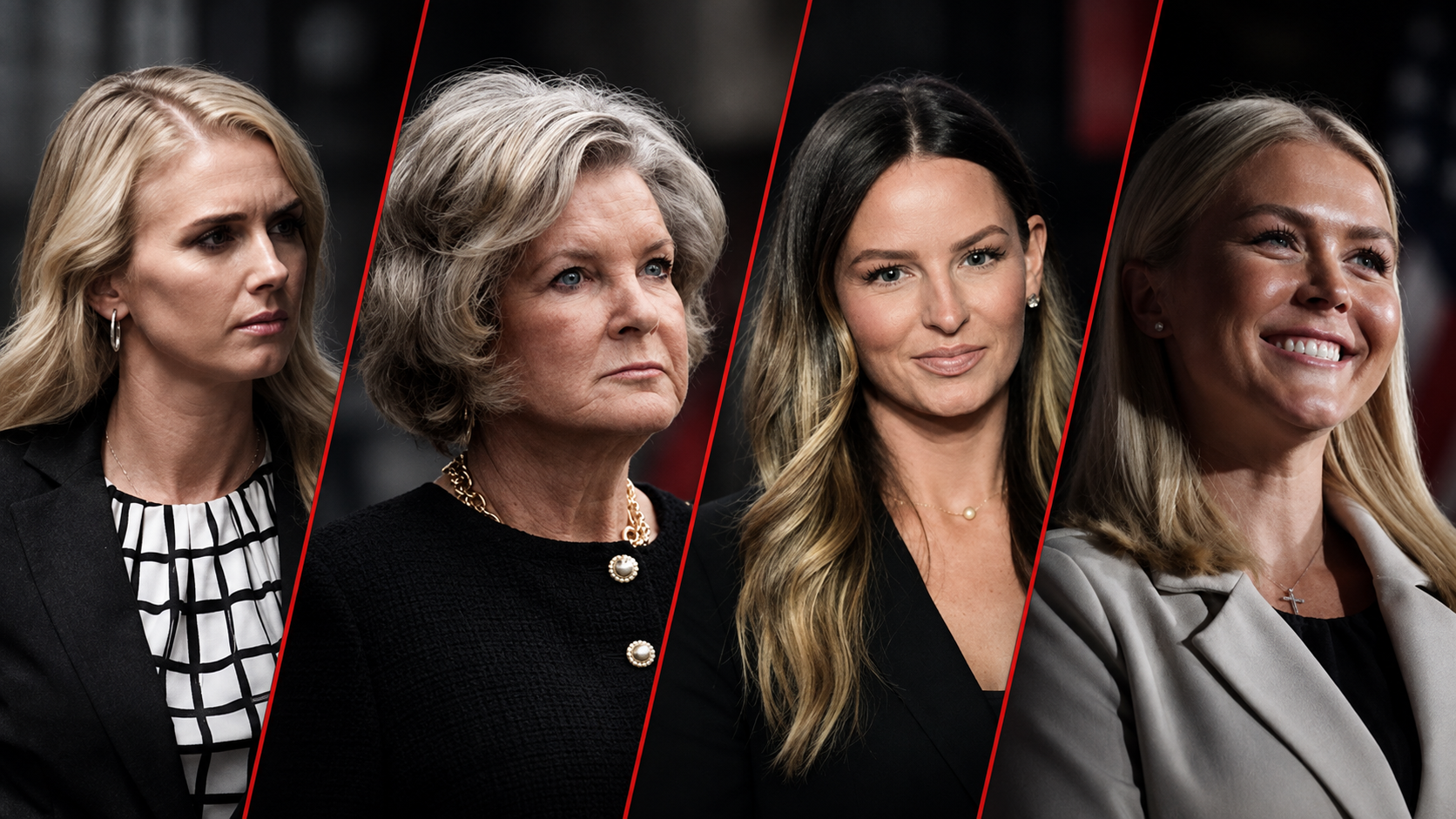
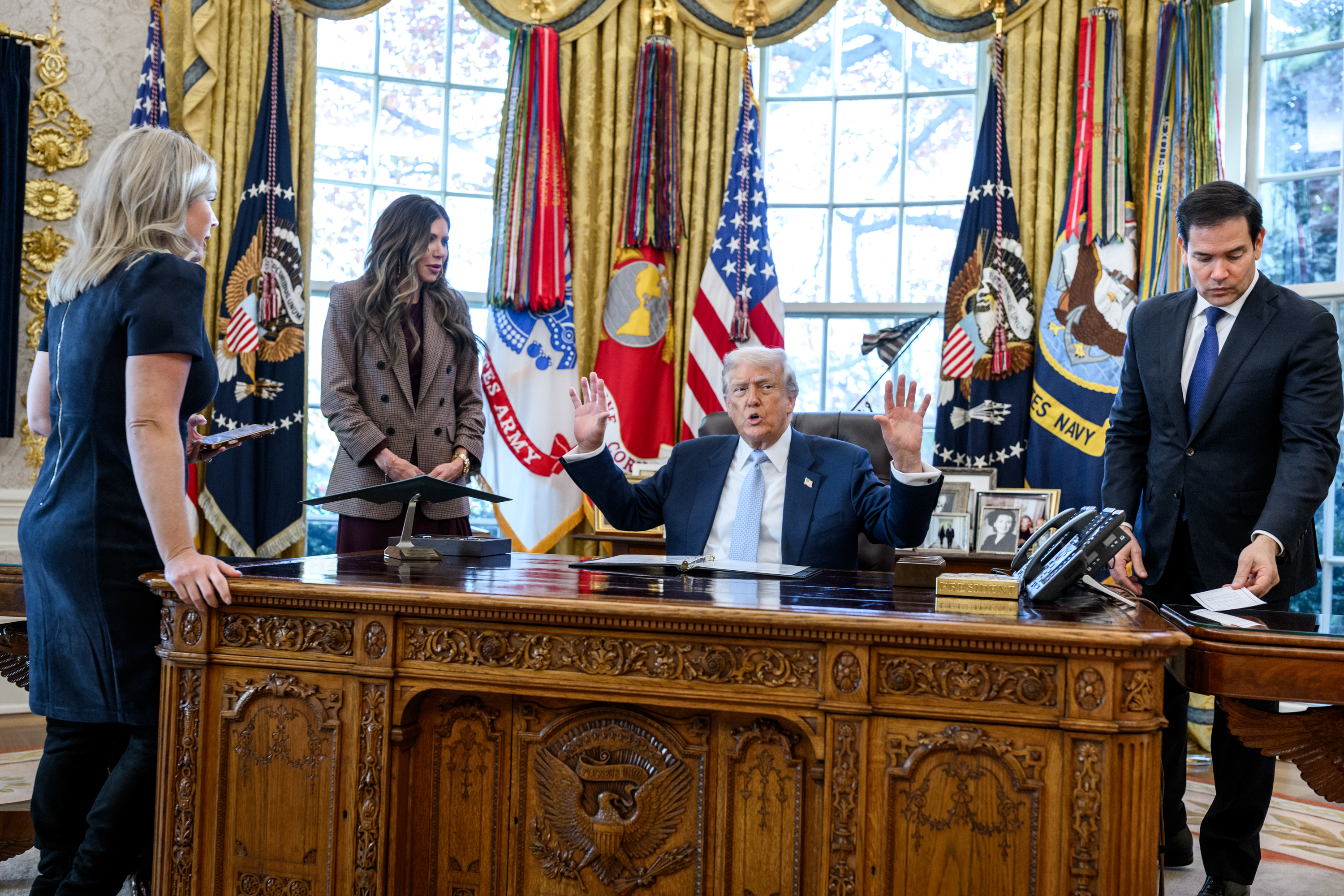
In these photos, all four individuals stand close to the President. Yet, their responsibilities are quite different. One person organizes information to be presented to the President; another manages the people and schedules that reach him. Someone else selects which images of the President are released to the public, while yet another turns his words into official responses.Let’s follow these four channels by Trump's side.
In August 2026, two people at the White House made headlines in quick succession. Natalie Harp became embroiled in a political dispute and security clearance controversy. In the same month, Press Secretary Karoline Leavitt left the White House. No immediate successor was named.
Though the incidents were different, these two roles raise a similar question: Who is responsible for what duties around the President? Information and people flow toward the President; photos, videos, and official remarks move outward.

Four Tools
to Access the President's Day
The Two Inbound Channels
Harp handles the information that will be presented to the President, while Wiles coordinates access to the President’s time and the people he meets.

The President's Glasses
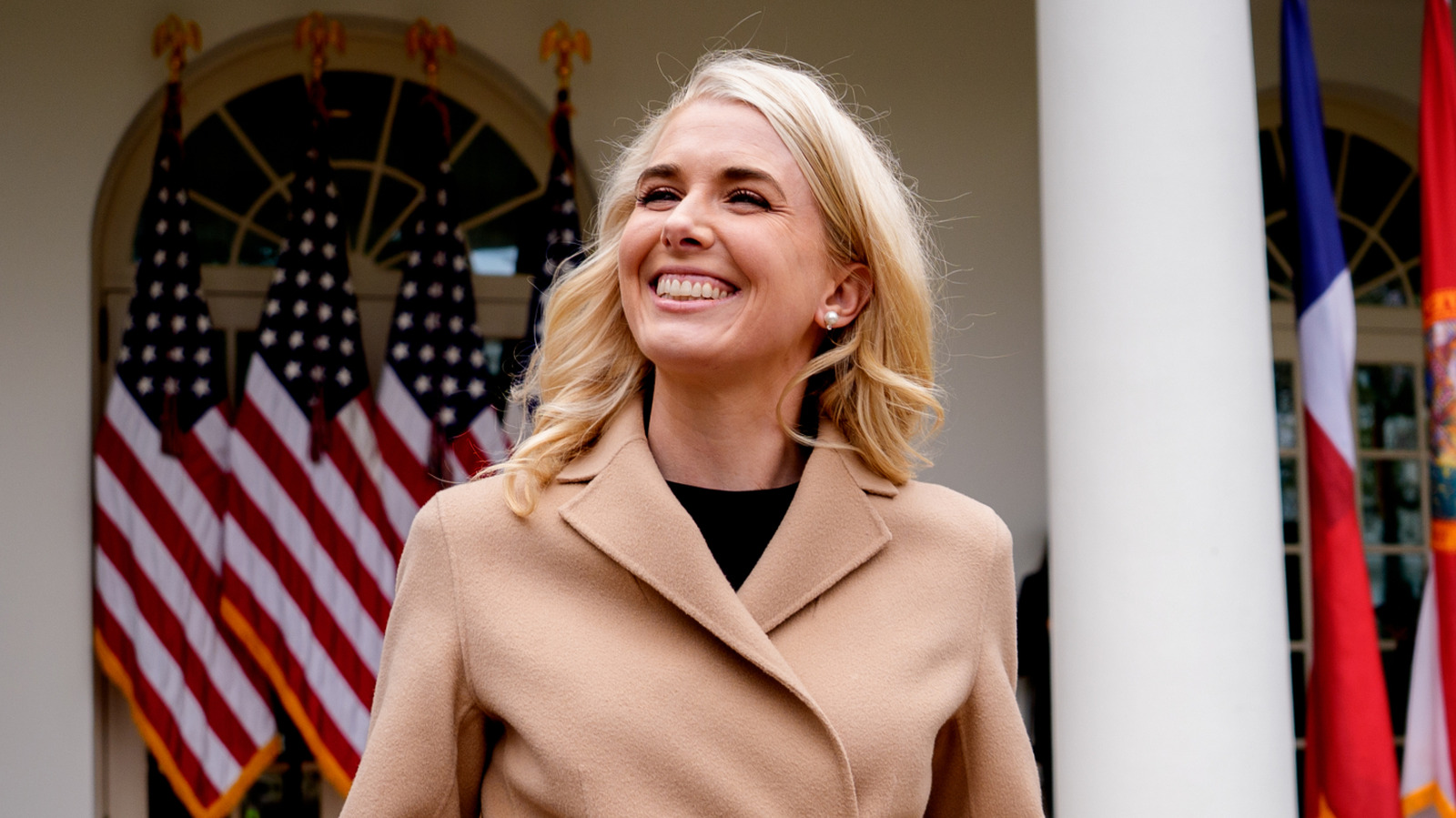
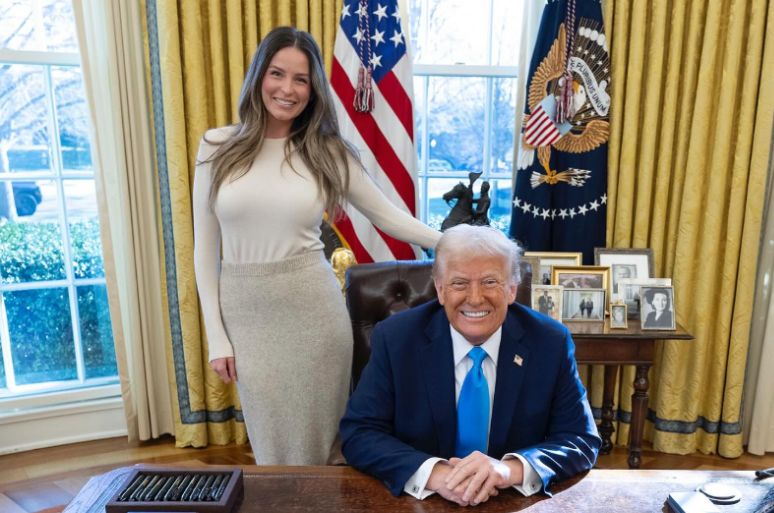
NATALIE HARP · Special Assistant to the President and Personal Secretary
Portable printer. During the 2024 presidential campaign, this device was constantly by Harp's side. She was frequently photographed printing out articles and handing them to Trump, earning her the nickname “the human printer.”
Her title is Special Assistant to the President and Personal Secretary. While she is also involved in handling schedules, Harp’s most notable role is managing the information the President receives. This includes selecting articles and social media posts to pass along to him.
On August 16, 2026, after Senator Ossoff criticized President Trump and mentioned Harp by name, the White House issued a rebuttal. Three days later, reports surfaced that Harp had not applied for the standard security clearance required for West Wing staff for over a year. The White House stated that “Harp, like other staff, holds a security clearance.” Fact-checking outlet Snopes withheld judgment, stating the reasons for the clearance delay were unconfirmed.
Regardless of the security clearance controversy, Harp’s position highlights how the President receives information. Even a single article must be selected by someone before it lands on the President’s desk.Related article ↗
There is an order
to the information the President receives.

The President’s Watch
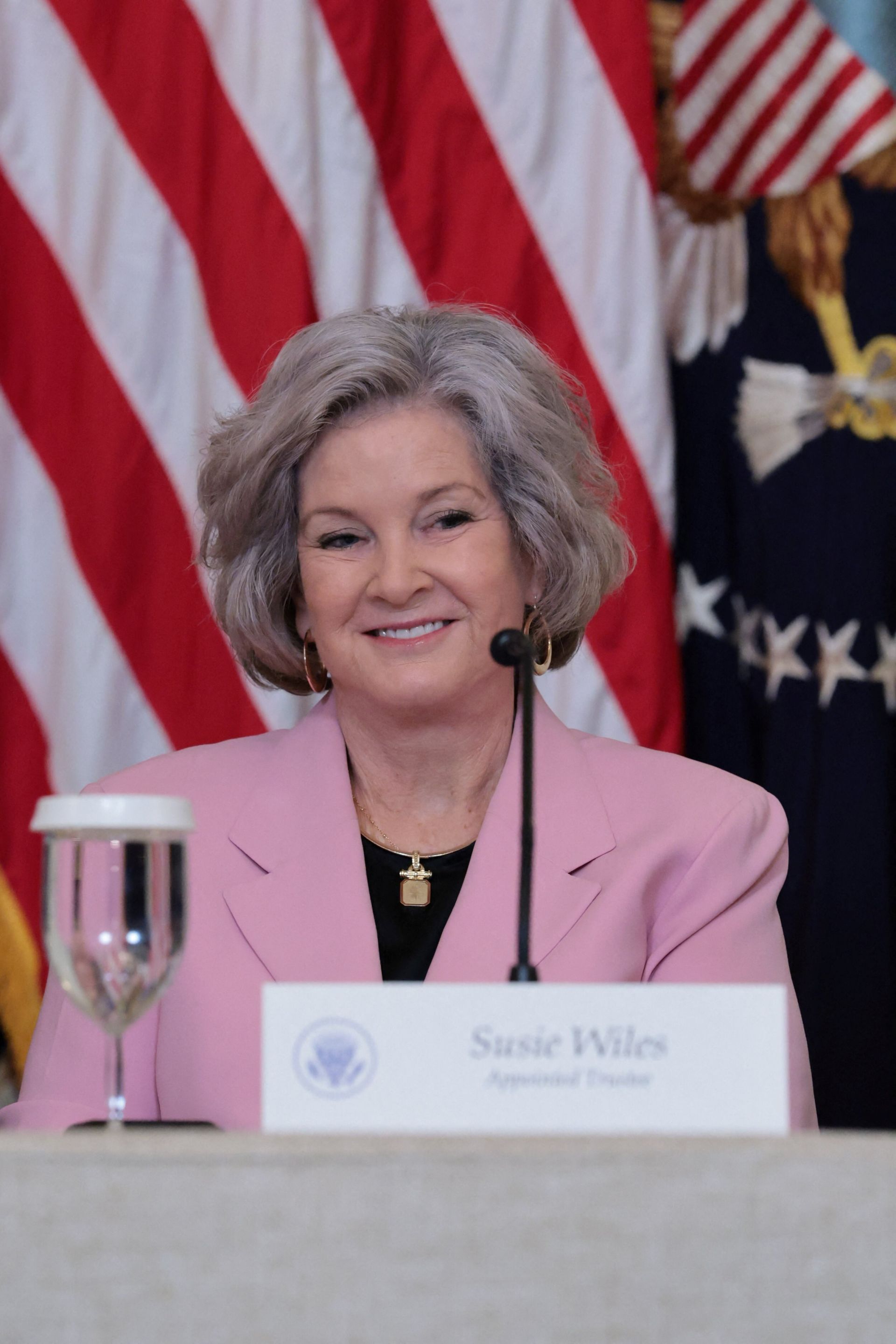
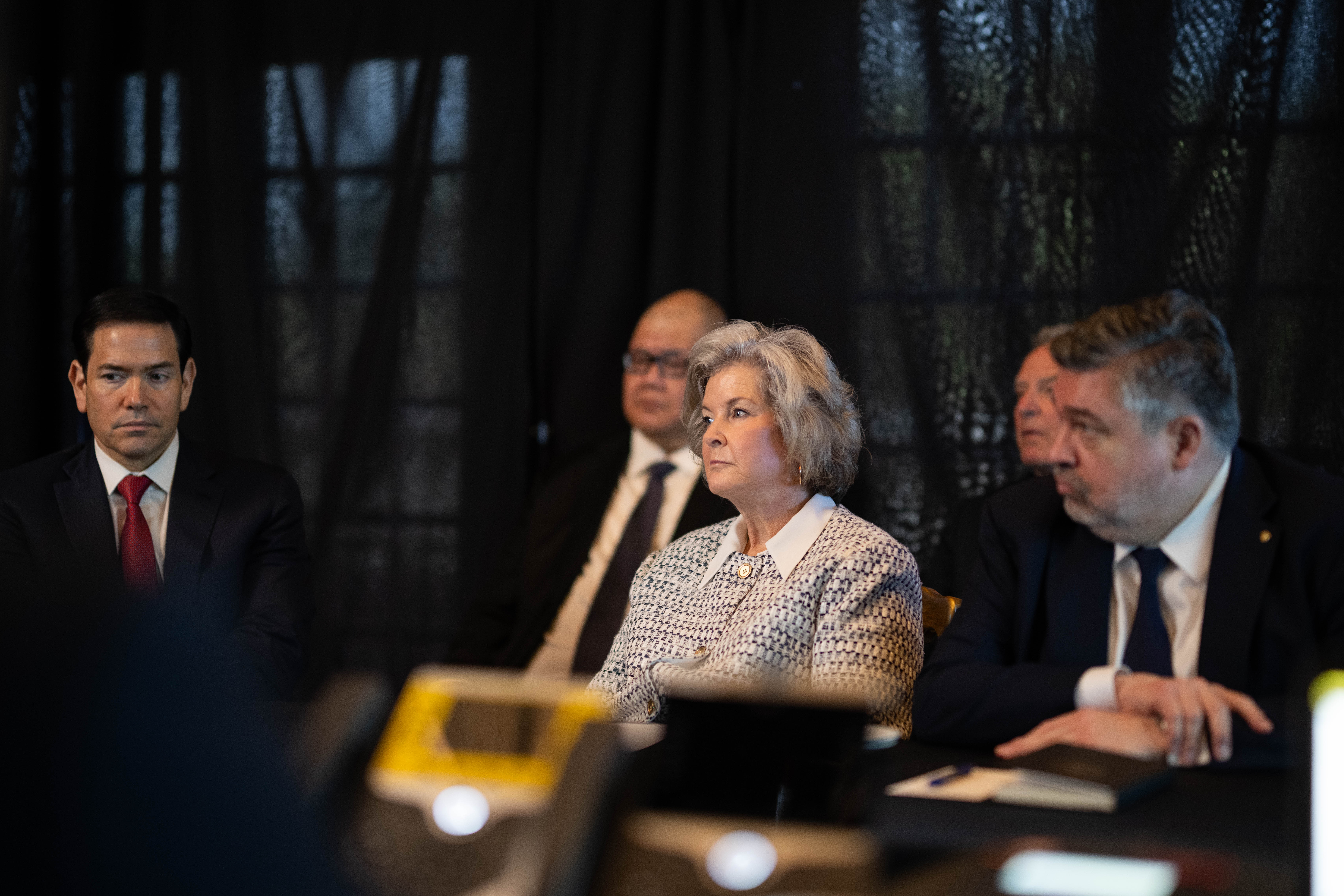
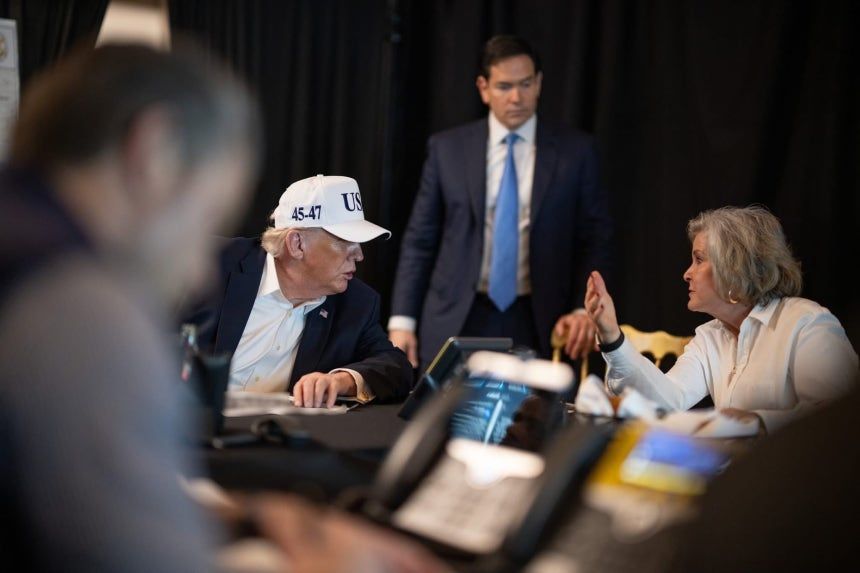
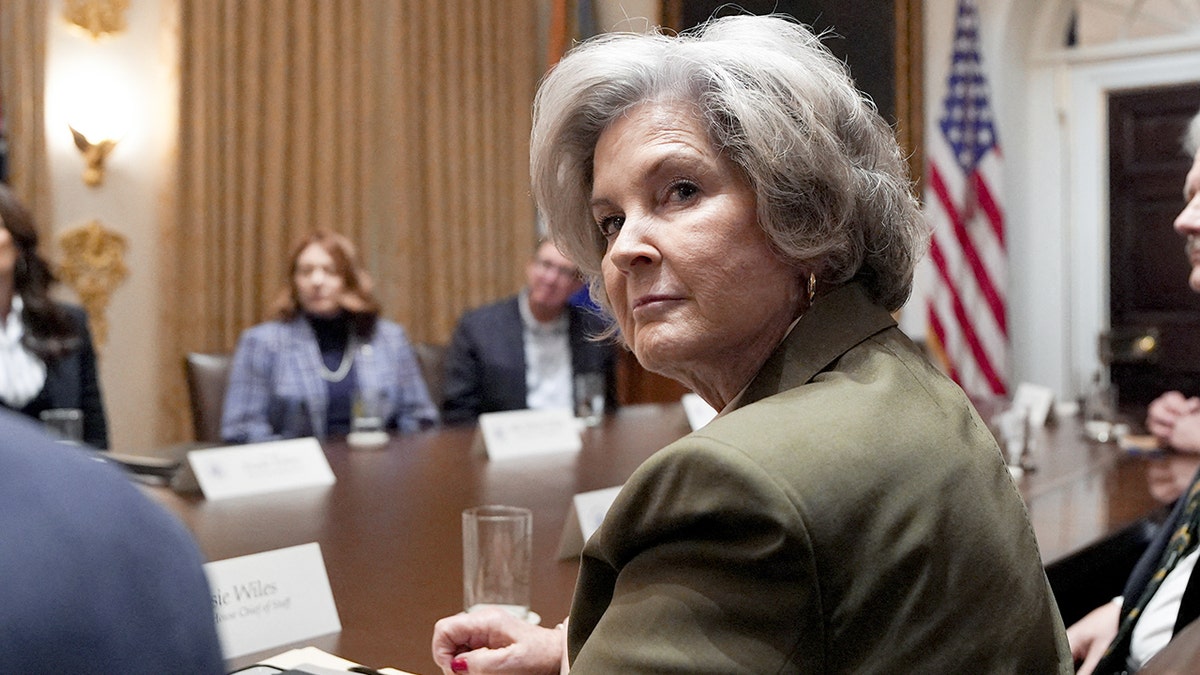
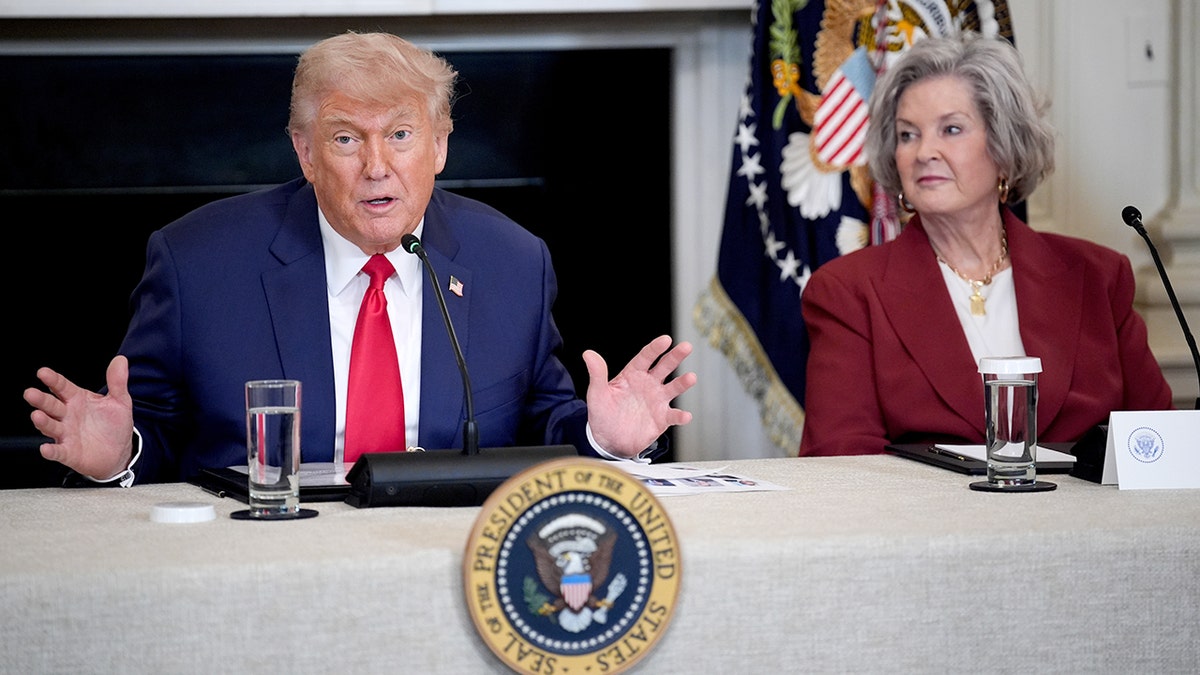
SUSIE WILES · White House Chief of Staff · First female Chief of Staff in U.S. history
In January 2025, Susie Wiles became the first female White House Chief of Staff in American history.
One of the Chief of Staff’s responsibilities is managing the President’s time. Schedules, meetings, visitors, and movement of aides are all coordinated, determining who gets to meet the President, and when.
Wiles’s name has also held weight in unexpected incidents. In 2025, after her personal phone was hacked, lawmakers and business figures received fraudulent messages impersonating her. The FBI launched an investigation. In August 2026, it was revealed that UK Prime Minister Andy Burnham had exchanged messages with an individual impersonating Wiles. The White House clarified that this case was unrelated to the earlier hacking incident.
The fact that these fraudulent messages succeeded means, at the very least, that people responded to the name “Wiles.” This illustrated the significance of the Chief of Staff’s proximity and influence around the President.Related article ↗
The President’s time
is not open to everyone.
TURNING POINT
This Is Where
The Direction Changes
The first two are channels toward the President—one is information, the other is people and time. Now comes the reverse: the moments and words that are sent out from the President to the outside world.
The Two Outbound Channels
Martin is responsible for scenes; Leavitt for statements. One shows the President, the other explains him.
The President’s Smartphone
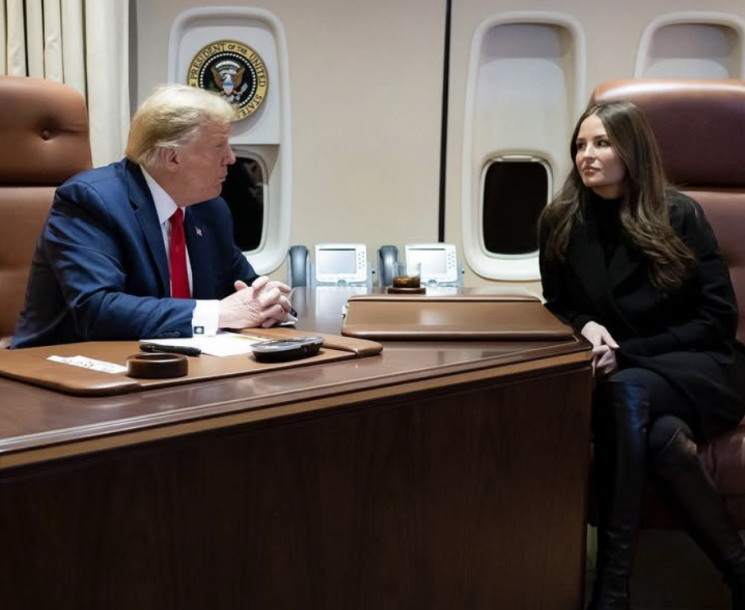
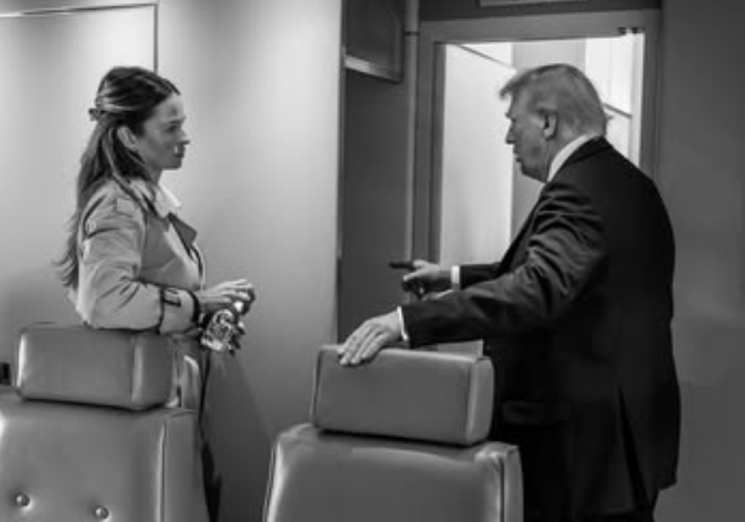
MARGO MARTIN · Special Assistant to the President and Communications Adviser
What Margo Martin carries isn't a large broadcast camera—it’s her smartphone.
She captures moments of the President on the move, before and after meetings, even aboard Air Force One. At Trump's side, Martin takes and uploads short video clips to social media. Unlike the official press photographers, her releases take much less time to go public.
The selection process is just as swift. Many moments occur throughout the day, but only a few are shared with the public. The mood of the same day can change depending on which moments she chooses to release.
What Martin truly manages isn’t simply photos or video per se, but the image of the President that people will see.Related article ↗
The President the public sees
is the sum of selected moments.

Not Only Images
Go Out
Photos and videos show the President. The Press Secretary explains him in words. Both point outward—but their roles are quite distinct.
The President’s Microphone
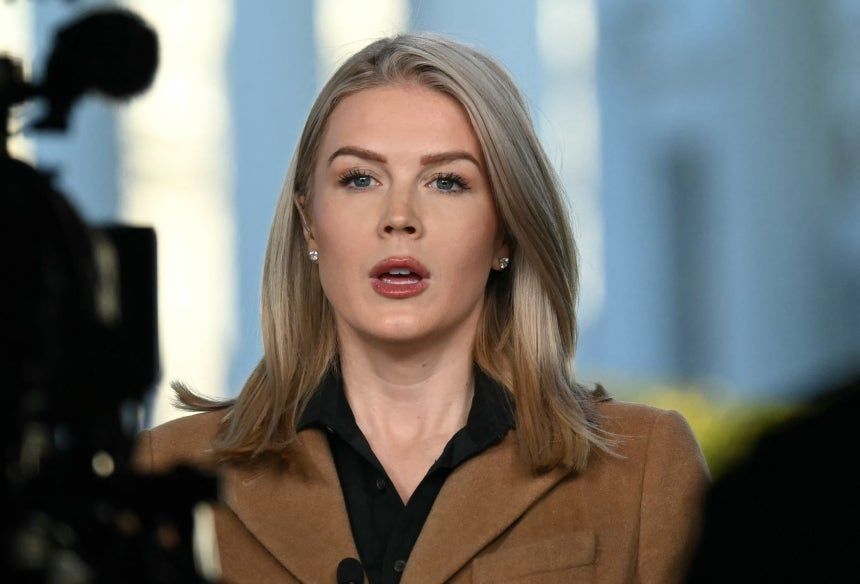
KAROLINE LEAVITT · Former White House Press Secretary · 2025.1.20 ~ 2026.8.27
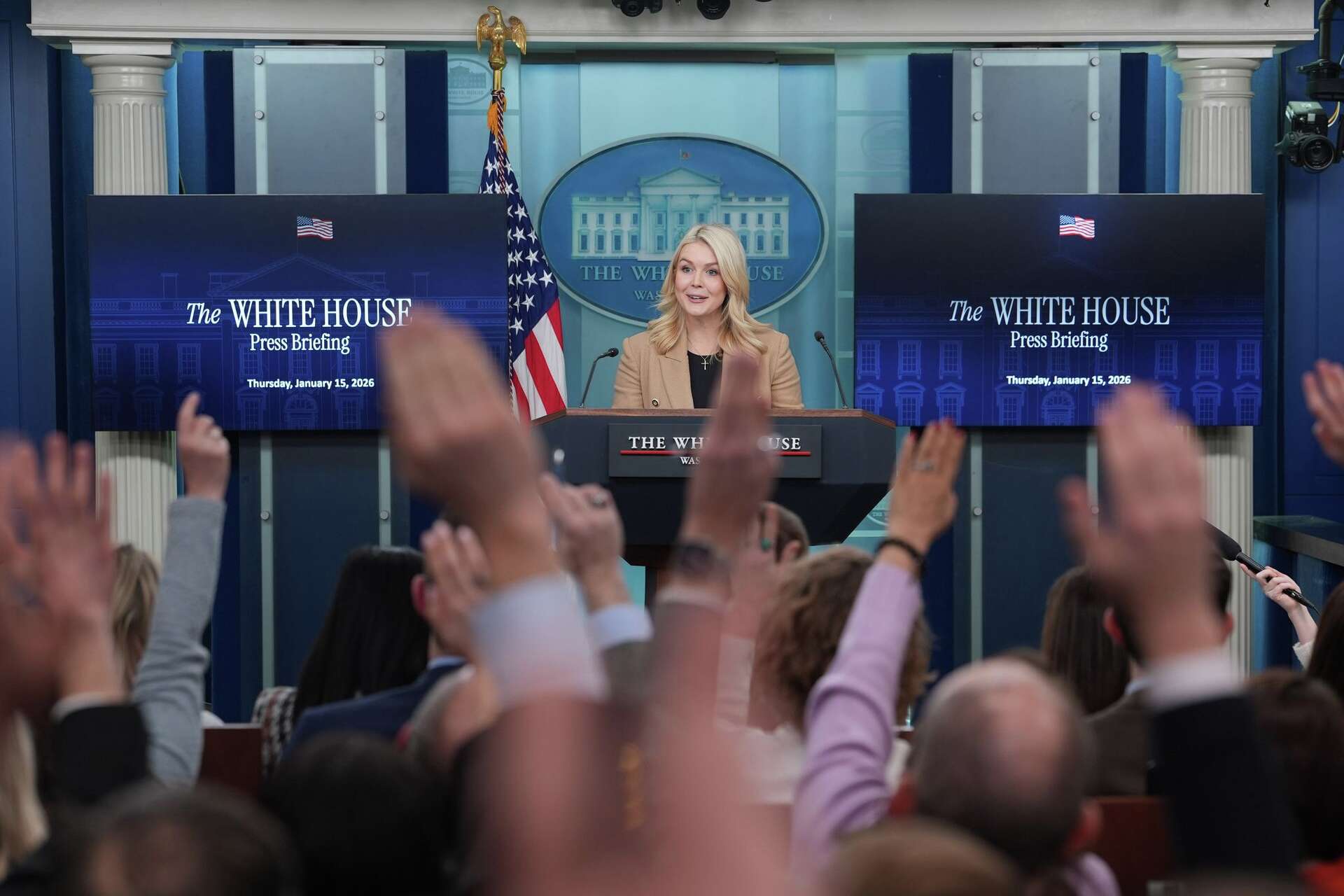
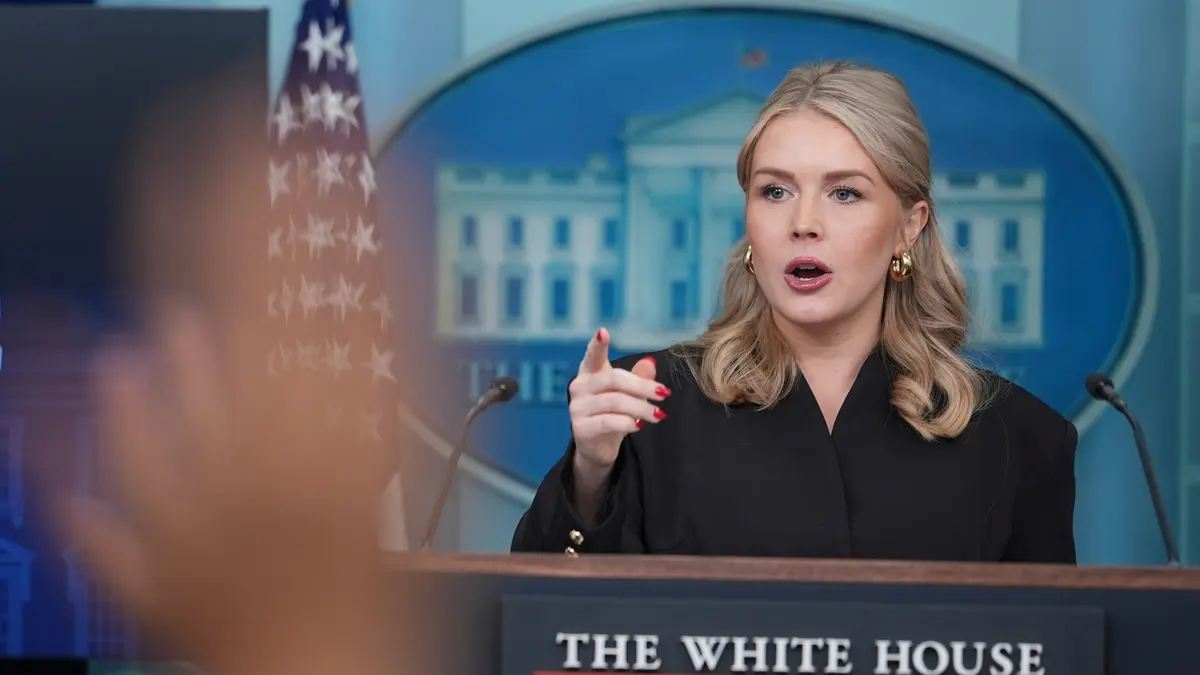
In January 2025, at just 27 years old, Karoline Leavitt became the youngest press secretary in White House history to take the briefing room podium.
The Press Secretary isn’t someone who simply reads the President’s words verbatim: she explains policies and statements, answers journalists’ questions, and, when controversies arise, provides the official White House position.
On July 16, 2026, Karoline Leavitt returned to the briefing room after maternity leave. White House
On August 12, 2026, President Trump announced that Leavitt would be leaving the White House at the end of the month to spend more time with her two young children. Leavitt also noted that it had been difficult balancing work and family after giving birth.
She had her second child on May 1, took maternity leave, returned to the briefing room on July 16, and then stepped down about a month later.
No successor was named immediately. For roughly 40 days, there were no regular briefings. When the briefing podium reopened on September 3, it was not a new Press Secretary, but Vice President J.D. Vance who stood at the podium. It was only after the Press Secretary was gone that just how much someone had been organizing and conveying the President’s words became apparent.Related article ↗
The President’s words
are not delivered automatically.
Same Proximity,
Different Directions
Harp handled the information presented to the President,
Wiles coordinated the people and schedules that reached him.
Martin selected and released scenes of the President,
Leavitt transformed the President’s words into official responses.
Their roles were different.
BUTAll of them shaped
the President’s day.
RELATED STORIES
WORLD PHOTO, more articles
 “Her lips moved like a machine gun”... The Gen Z conservative who held real power at the White House doorRead article →
 “Women were excluded from promotion”... Explosive aides under an explosive presidentRead article →
 Eventually dismissed... “The president was as angry as a killer hornet”Read article →
 “It’s me, the lead!” The president takes the stage... “Look at him acting tough” — Ridicule and popularity explodeRead article →