
Blood donations are urgently needed,
but 510,000 units discarded in five years
The same problems recurred at the same blood centers.
The audit questioned oversight even after the discards.
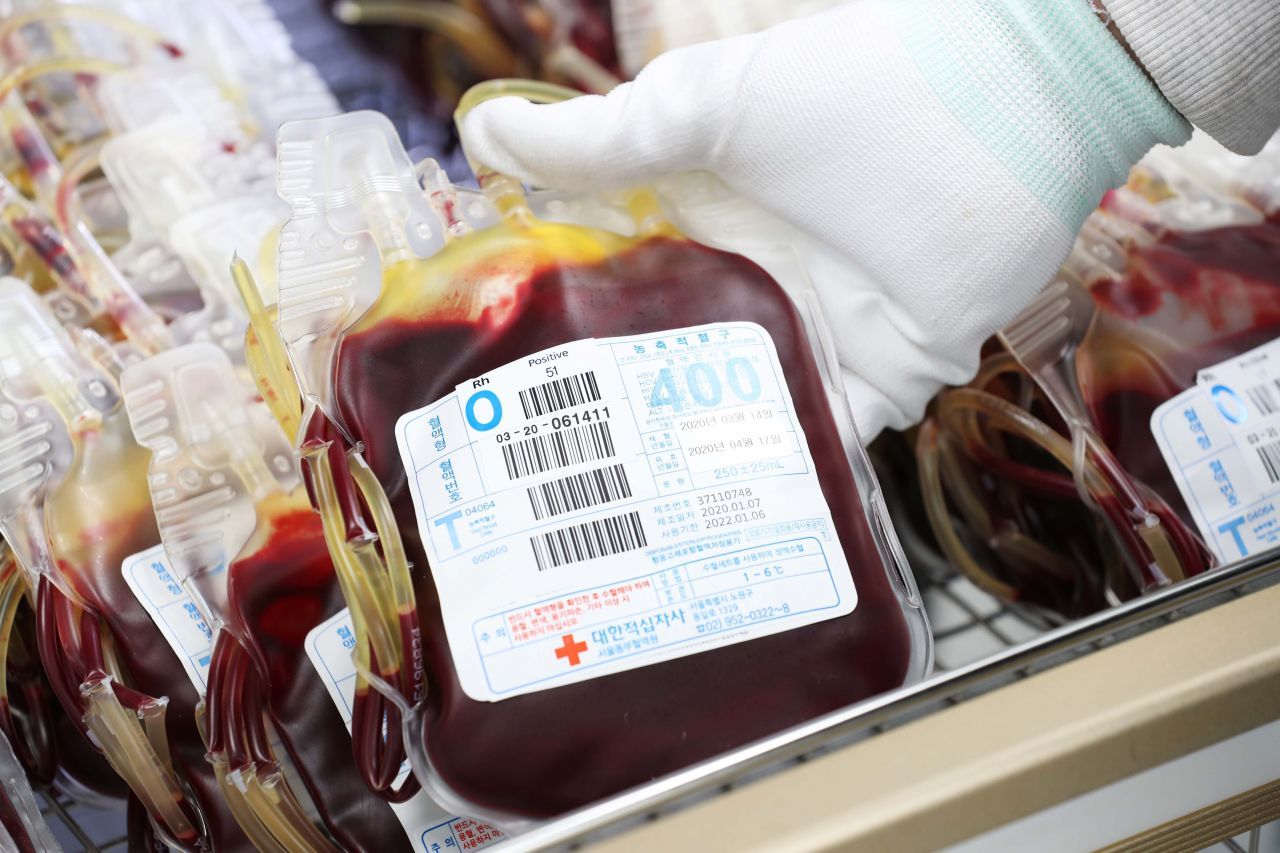
More than 510,000 units of blood products made from blood voluntarily donated by the public were discarded over the past five years, even as people were being urged to donate amid blood shortages.
At some blood centers, the same reasons for discarding blood products, such as blood collection errors and expiration of the storage period, recurred for years. A government audit found that the Korean Red Cross headquarters had failed to adequately analyze the causes and take steps to prevent recurrence.
Blood products discarded
This total includes discards necessary for safety, such as those due to abnormal test results. It does not represent only preventable discards.
According to a Yonhap News report on the 24th, citing the Ministry of Health and Welfare's "Disciplinary Request Following the Comprehensive Audit of the Korean Red Cross," a total of 511,978 units of blood products were discarded from 2021 to 2025.
During this period, about 2.42 million to 2.63 million people donated blood each year, and between 6.17 million and 6.45 million units of blood products were produced annually. Blood products are made by separating or processing donated blood into red blood cells, platelets, plasma, and other components so they can be used for transfusions and treatment.
The largest annual number of discards was 128,559 units in 2022. The discard rate as a share of total production was also highest that year, at 2.08%, and stood at 1.48% in 2025.
Discarded units accumulated year after year

Lowest production, but
the discard rate ranked first three times
The audit highlighted that some blood centers repeatedly recorded high discard rates year after year. Of the 15 blood centers nationwide, Blood Center O had the lowest production each year over the past five years, but its discard rate consistently ranked in the top 20%.
Its discard rate was the highest nationwide in 2021, 2024 and 2025. Blood Centers L and M, which ranked 12th and 13th in production volume, respectively, also repeatedly recorded high discard rates relative to their production.
Production ranked last all five years,
while the discard rate ranked first three times
O is an anonymized designation for a blood center and is unrelated to blood type O.
The same reasons for discards
recurred at the same centers
Some discards are unavoidable to protect patient safety, such as those resulting from abnormal blood tests or bacterial contamination. But other reasons, including blood collection errors, damaged blood bags and expired storage periods, could potentially be reduced by improving management systems; these were concentrated at specific blood centers.
Blood Center F ranked among the highest for discards due to clotting or contamination for five consecutive years. Blood Center E had a high share of discards due to sealing defects or damaged labels throughout all five years. Expired storage periods were a notable issue at Blood Centers C and D, while cases of collecting more or less blood than the required amount stood out for five consecutive years at Blood Centers B and H.
Reasons that persisted over five years
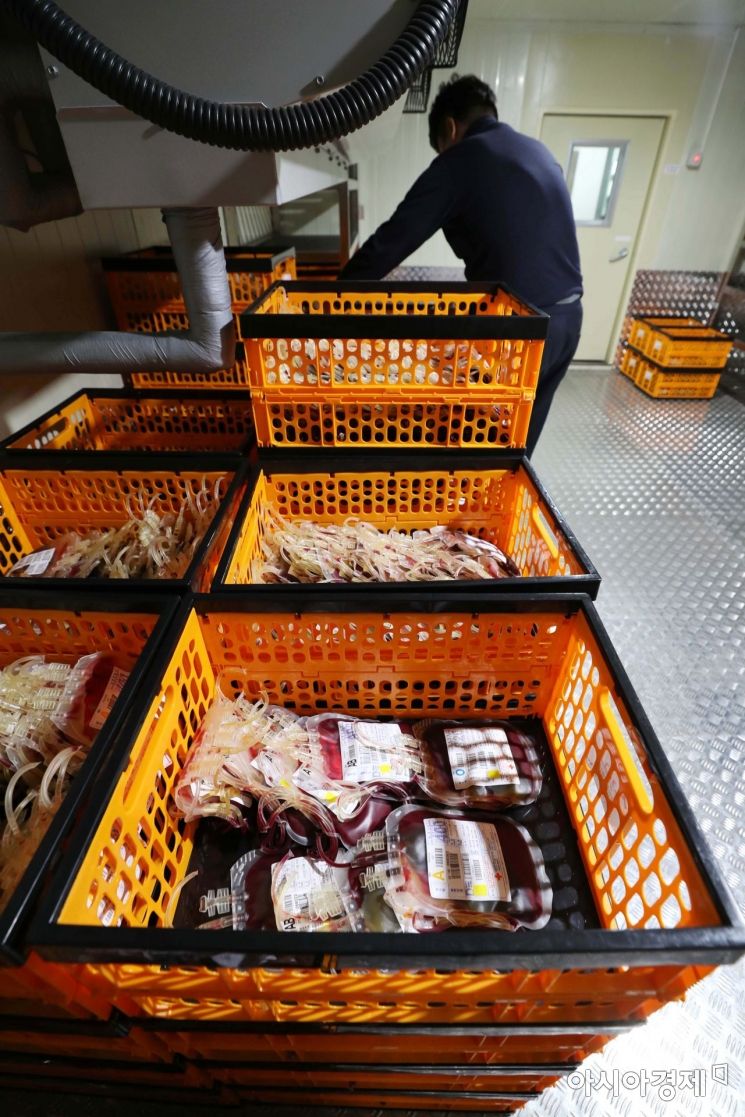
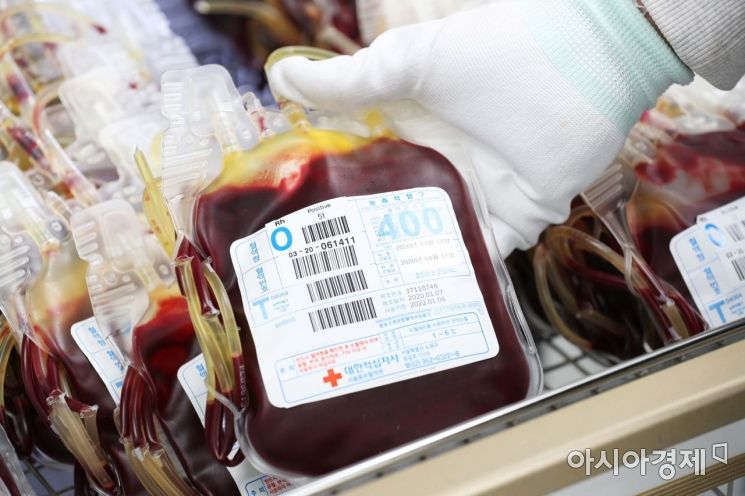
File photo of blood storage and transport.
Discards caused by staff errors also recurred. Blood Center F ranked among the highest in its share of nationwide discards caused by operational errors for four consecutive years, while Blood Center I did so for three consecutive years.
Each of the two blood centers conducted an internal inspection once. However, the Red Cross headquarters did not conduct a separate inspection or carry out a fundamental analysis of the causes.
Below the adequate stock level
on 191 of 273 days
These management problems coincided with an unstable blood supply. According to data from the Korean Red Cross, on 191 of the 273 days from January through September 2026, red blood cell stocks fell below the adequate level of five days' worth. That represented 70.0% of the period.
The number of days when O-type red blood cell stocks fell below the adequate level was even higher, at 208.
If each day were represented by a drop
Stocks were below the adequate level on 191 of 273 days.
The level was met on 82 days.
Each drop represents one day. The drops are arranged to compare the number of days and do not show the actual dates. Percentages are calculated by dividing each number of days by 273. Falling below the adequate level does not mean there was no blood in stock.
Headquarters only compiled the figures;
Health Ministry called for cause analysis
Blood centers must discard blood that does not meet the required standards and report the results. Internal Red Cross rules also require investigations and reports, depending on the circumstances, when operational errors occur.
However, the Red Cross headquarters only compiled annual discard figures from blood centers nationwide and reported them to the government. The audit found that its overall management work was inadequate, including identifying why the same problems recurred at specific centers and developing measures to prevent them from happening again.
The Korean Red Cross did not provide a separate opinion during the audit. The Ministry of Health and Welfare called on the president of the Korean Red Cross to conduct a comprehensive analysis of discards and closely monitor blood centers with high discard rates or repeated discards for the same reasons.
As efforts continue to encourage blood donations,
management must also reduce recurring discards.
-

Reporter Bang Jeil zeilism@asiae.co.kr
-
Edit Heo Seoyeon lala22@asiae.co.kr
© The Asia Business Daily. All rights reserved. Unauthorized AI training and use prohibited.