South Korea's furniture industry broadly posted weak results in the third quarter of this year, as demand for furniture and interior renovations fell amid a slowdown in housing transactions. With the decline in new apartment move-ins and the burden of borrowing expected to continue into the fourth quarter, analysts say a recovery in earnings will be difficult. Companies are cutting various costs, including advertising expenses, to protect profitability.
Housing transactions and demand weaken; Hanssem's third-quarter operating profit plunges 76%
According to DART, the Financial Supervisory Service's electronic disclosure system, Hanssem's consolidated operating profit for the third quarter of this year fell 76.5% year on year to KRW 1.6 billion, well below the market forecast of KRW 8.4 billion. Revenue declined 19% to KRW 357.6 billion. Over the same period, Hyundai Livart swung to an operating loss of KRW 900 million. Revenue fell 2.1% to KRW 333.6 billion.

In contrast, Shinsegae Casa returned to operating profitability in the third quarter, posting an operating profit of KRW 900 million, compared with an operating loss of KRW 400 million in the same period a year earlier. Revenue rose 85% to KRW 118.2 billion. This appears to reflect the acquisition this year of JAJU, a home goods brand. A Shinsegae Casa official said, "We have achieved results by expanding our business areas to weather the industry downturn," while taking a cautious stance on the prospects for a recovery in the profitability of its furniture business.
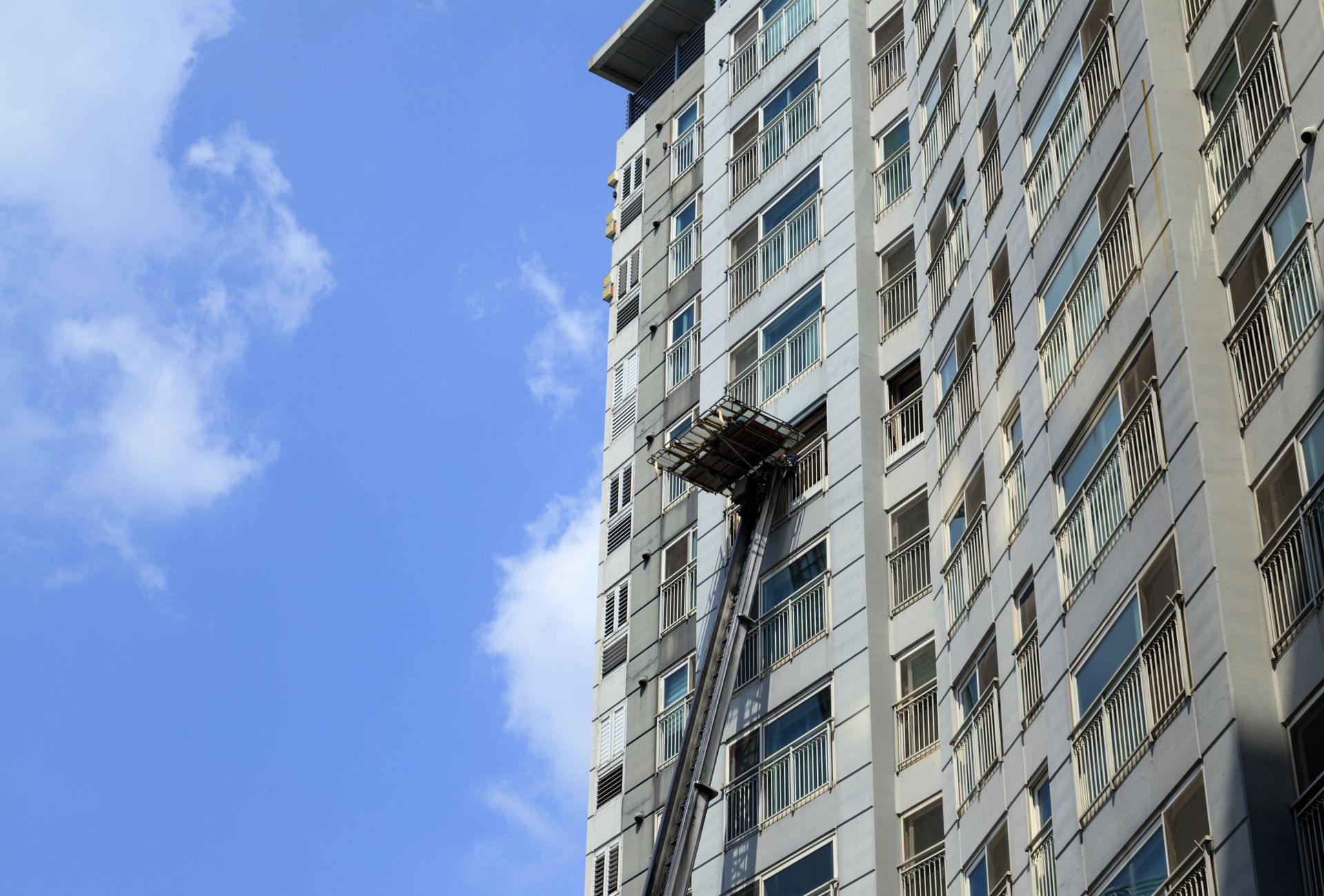
The furniture industry's weak performance is thought to have been affected by a decline in moving and interior renovation demand as housing transactions fell. According to the Ministry of Land, Infrastructure and Transport, nationwide home sales totaled 160,541 in the third quarter, down 7.7% year on year. Nationwide apartment sales also fell 6.6% over the same period to 125,543.
Hyundai Livart posts KRW 900 million operating loss; Shinsegae Casa returns to profit
The problem is that a rebound is difficult to expect in the fourth quarter as well. According to the Housing Industry Research Institute, the nationwide apartment move-in rate in October was 65%, down 3.2 percentage points from the previous month. The most frequently cited reasons for not moving in were ▲failure to secure a balance payment loan (45.8%) and ▲delays in selling existing homes (25%). The burden of borrowing and difficulty disposing of existing homes have thus affected actual move-ins. The number of apartments scheduled for move-in nationwide in November is also expected to be about 11,000, down 30% from the previous month and 49% from the same month last year.

Brokerages are also broadly saying that the industry will struggle to recover its earnings in the fourth quarter. In a report released this month, Kim Seryeon, an analyst at LS Securities , estimated Hanssem's fourth-quarter revenue at KRW 362 billion and operating profit at KRW 2 billion. These figures would represent year-on-year declines of 9.5% and 33.2%, respectively. Heo Jaejun, an analyst at Samsung Securities, also said, "The environment makes it difficult to expect an improvement in earnings."
Move-in numbers to fall again in the fourth quarter; companies protect profitability by cutting advertising costs
Facing a downturn in earnings, furniture companies are tightening their belts. Selling and administrative expenses at Hanssem and Hyundai Livart fell 4.6% and 11.4%, respectively, year on year in the third quarter. Advertising expenses at the two companies also decreased by 15.0% and 26.1%, respectively, to KRW 7.7 billion and KRW 1.5 billion over the same period. Hyundai Livart's cumulative advertising expenses for January through September plunged 53.3% year on year to KRW 3.9 billion, less than half the previous year's level. An industry official said, "The prolonged downturn is weighing on the entire industry," adding, "Even companies that were usually active in marketing are scaling back their activities compared with the past."
-

Reporter Choi Hokyung hocance@asiae.co.kr
-
Edit Lee Kijae happylee17@asiae.co.kr
© The Asia Business Daily. All rights reserved. Unauthorized AI training and use prohibited.