U.S. Drinking Rate Decreases for the First Time Since COVID-19
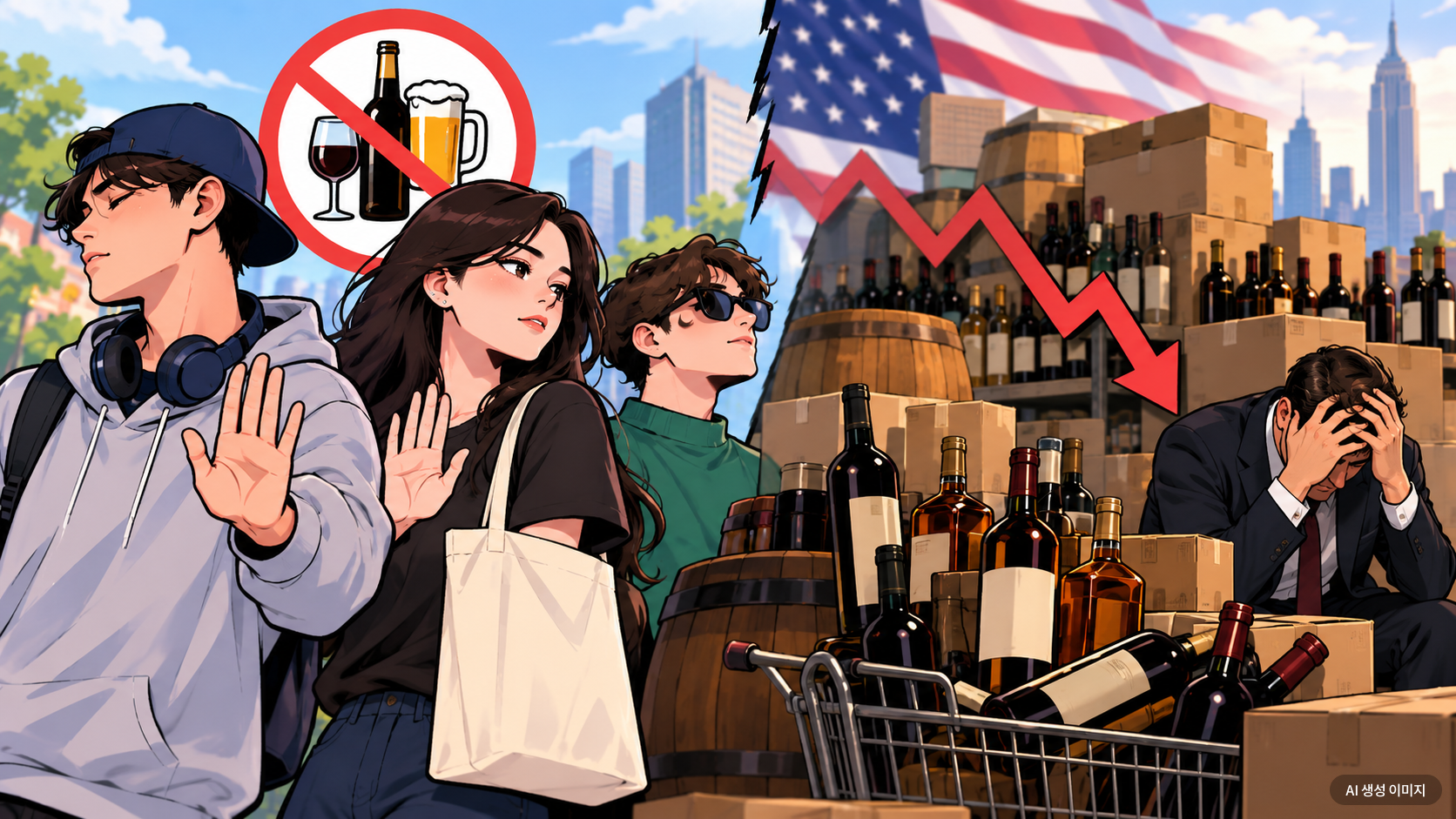
The rate of alcohol consumption in the United States has declined for the first time since the COVID-19 pandemic. In particular, Millennials & Gen Z have rapidly reduced their alcohol intake, leading the overall decrease in alcohol consumption. In contrast, among people aged 50 to 64, heavy drinking has increased significantly compared to before the pandemic, creating a pronounced generational divergence in drinking patterns.
This shift, especially evident among younger generations, is creating headwinds for the U.S. alcoholic beverage market. Falling wine consumption has led to inventories piling up throughout the production and distribution network, and American whiskey producers are also facing record high inventory levels.
On September 22, Yonhap News, citing a research team from the Keck School of Medicine at the University of Southern California (USC), reported that the rate of alcohol consumption among U.S. adults declined for the first time between 2022 and 2024. The study was published in the international medical journal 'Annals of Internal Medicine.' The research team, led by Professor Brian Lee of USC, analyzed data from 114,352 adults who participated in the U.S. National Health Interview Survey (NHIS) from 2018 to 2024. They found that the proportion of people who consumed alcohol at least once in the past year fell by about 2% between 2022 and 2024, while the rate of heavy drinking decreased by more than 8%. This marks the first confirmed decline in drinking in the United States since COVID-19. However, as of 2024, the drinking rate still remains higher than it was before the pandemic in 2018.
Centered on Millennials & Gen Z
Reducing Alcohol or Abstaining for a Period
Influenced by the Spread of Sober Curious Movement
Middle-Aged and Older Adults Show Opposite Trend
36% Increase in Excessive Drinking Among Ages 50-64
Divergent Drinking Patterns by Generation
Inventory Accumulates Due to Decreased Consumption of Wine and Whiskey
Potential for New Strategies in Response to Young Generation's Alcohol Abstinence Photo by AP Yonhap News
The decline was especially noticeable among younger people. The alcohol consumption rate among Gen Z adults dropped by more than 5% between 2022 and 2024, the largest decrease among all age groups. For Millennials, the rate of heavy drinking fell by 17% over the same period. Among men, overall alcohol consumption fell by 2.4%, while among women, it declined by 1.1%. The decline in heavy drinking was sharper for women at 9% compared to 7.7% for men.
The researchers did not directly identify the causes of decreased drinking among young people. However, they suggested that the rise of the so-called 'Sober Curious' movement—which involves consciously reexamining drinking habits, reducing alcohol intake, or abstaining for certain periods without quitting entirely—and increasing awareness of the health risks associated with alcohol may have influenced the trend.
Indeed, American youth are increasingly participating in trends such as 'Dry January,' where they avoid alcohol for a set period, or choosing non-alcoholic and low-alcohol beverages. In a separate study of emerging adults in the U.S., about half of those who participated in a temporary abstinence program reported drinking less than before even after the program concluded.
Diverging Drinking Rates by Generation

Meanwhile, the opposite trend has emerged among the middle-aged. For those aged 50 to 64, the proportion who drank alcohol increased by about 4% between 2018 and 2024, with the rate of heavy drinking surging by over 36%. The researchers expressed concern about this trend, noting that as people age, they face a higher risk of alcohol-related diseases such as liver disease, certain cancers, and cardiovascular disorders, even when drinking the same amount.
Professor Lee commented, "It is encouraging to see the first decline in drinking since the pandemic," but also cautioned that "the overall decline should not obscure the increased risks observed in specific groups." Some suggested that the decline in alcohol use among younger generations could in part be due to the substitution of alcohol with other substances, such as cannabis.
The movement toward 'quitting alcohol' among younger generations has coincided with both declining demand and mounting inventory problems for the U.S. alcohol industry. According to the '2026 U.S. Wine Industry Status Report' released this year by Silicon Valley Bank (SVB), U.S. wine sales are projected to decrease by about 2% in 2025 to around 329 million cases, down from 335.9 million cases in the previous year. Total sales revenue is also estimated to decline by 1.6%, from USD 75.5 billion to about USD 74.3 billion. SVB assessed that the U.S. wine market is in a prolonged 'period of demand adjustment.'

Amid the younger generation's movement toward 'alcohol abstinence,' the US alcoholic beverage industry is facing both demand slowdown and inventory issues simultaneously. According to the "2026 US Wine Industry Status Report" released this year by Silicon Valley Bank (SVB), wine sales in the US are expected to decrease by about 2% to approximately 329 million cases in 2025, down from 335.9 million cases the previous year. Reuters Yonhap News
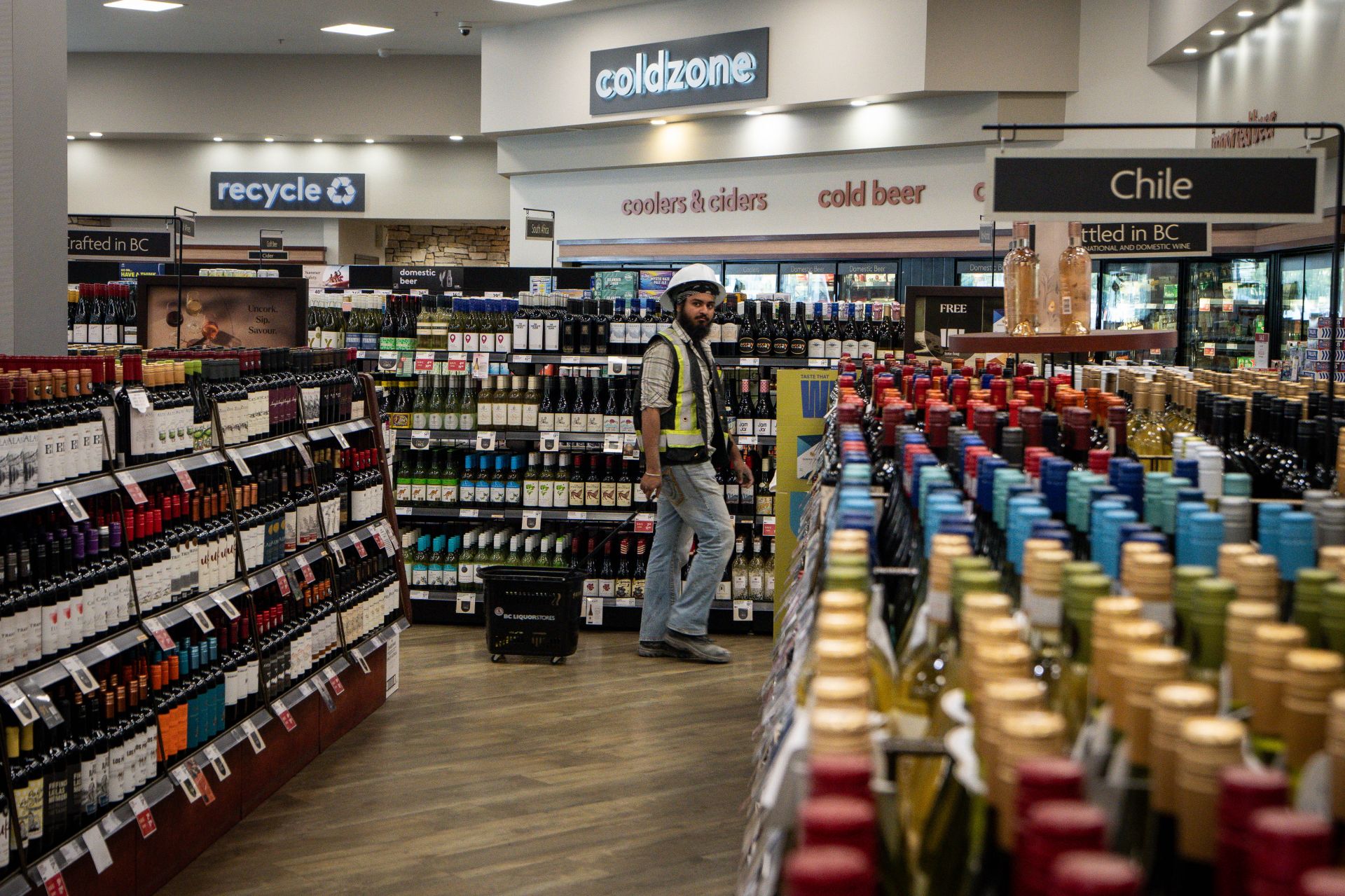
원본보기 아이콘Inventory pressures are also significant. According to SVB's survey, 15% of wineries reported that their wine holdings greatly exceed anticipated demand, while another 44% said their inventory was somewhat higher than needed. In total, this means that 59% of the surveyed wineries are holding more wine than necessary. SVB noted that oversupply remains a structural burden throughout the entire supply chain, from producers to wholesalers and retailers.
Conditions have remained challenging this year as well. According to the Wine & Spirits Wholesalers of America (WSWA), for the 12 months through June, U.S. wine and spirits sales volume fell 6.5% year-on-year. Wine sales dropped by 8.2%, and spirits by 4.9%. Although the pace of decline has slowed somewhat recently, the industry consensus is that a clear market rebound has yet to materialize.
The whiskey industry faces similar concerns. According to the Distilled Spirits Council of the United States (DISCUS), American whiskey inventories have tripled since 2012, reaching about 1.5 billion proof gallons by the end of 2024. In contrast, U.S. domestic whiskey sales in 2024 were about 58 million proof gallons, with exports around 45 million proof gallons. While a certain amount of inventory is unavoidable due to the aging process required for whiskey, the Council identified record-high inventories amid sluggish domestic sales as a crucial challenge.

The whiskey industry is facing similar concerns. According to the Distilled Spirits Council of the United States (DISCUS), American whiskey stocks have tripled since 2012, reaching approximately 1.5 billion proof gallons by the end of 2024. Reuters Yonhap News
원본보기 아이콘Brown-Forman—which owns the iconic American whiskey brand Jack Daniel's—recently noted that alcohol demand is weak across the United States and other major developed countries. The company cited several factors affecting alcohol consumption, including increased consumer spending burdens, rising interest in calorie consumption, and the spread of weight-loss drugs. Still, the direct link between declining alcohol consumption in the U.S. and rising wine and whiskey inventories is not definitive. Several factors—including decreased consumer capacity due to inflation and rising prices, inventory adjustments throughout distribution networks, the ramp-up in production during the pandemic, and changes in the trade environment—are all having a simultaneous impact.
In particular, if the trend of younger generations drinking less than previous generations persists as they become the main consumers in the market, the U.S. wine and whiskey industries may have to go beyond merely adjusting to typical economic cycles and fundamentally rethink production volumes, branding, and distribution strategies.
-

Reporter Bang Jeil zeilism@asiae.co.kr
-
Edit Choi Yujeong yjchoi@asiae.co.kr
© The Asia Business Daily. All rights reserved. Unauthorized AI training and use prohibited.