OLD CLASSICThe return of
the TD heyday
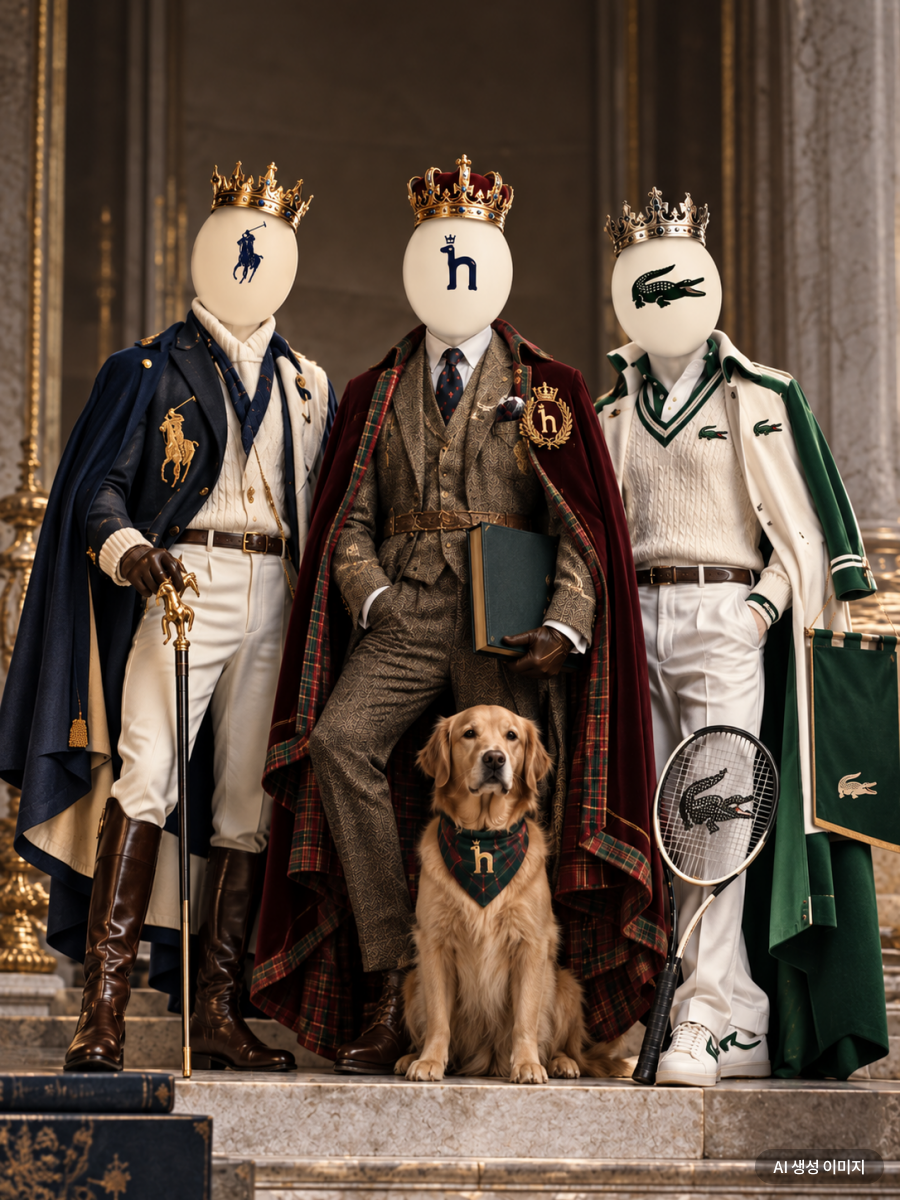
are now the hottest trendRalph Lauren · Beanpole · Hazzys · Lacoste... The classics are back on top
Clothes that never went out of style
have become the trend again
TD refers to classic casual items that don’t fall out of style, such as shirts, jackets, chinos, pique shirts, and knits. Traditional casual (TD) brands, once dismissed as "dad clothes," are making a comeback. In the past few years, sales growth rates remained in the single digits, but this year, it jumped nearly 20%. The American brand Ralph Lauren, in particular, is leading the market with an almost 30% growth rate. In a fashion market polarized between luxury goods and SPA (Specialty Store Retailer of Private Label Apparel) brands, designs less swayed by trends and long brand histories have again become sources of competitiveness. The popularity of TD brands declined in the 2010s. Inexpensive, trend-responsive SPA brands expanded their presence in the casual wear market, while affluent consumers shifted to luxury and overseas contemporary brands. As street fashion and athleisure gained popularity, the neat look of shirts and chinos came to be seen as outdated and stuffy. As the core customer base aged alongside the brands, younger consumers increasingly saw TD as "Gen X brands" or "dad clothes."
RALPH LAUREN
RALPH LAURENNEW CLASSIC
BEANPOLE
HAZZYS
LACOSTE
According to the retail industry as of September 15, from January to August this year, TD sales at the three major department stores—Lotte, Shinsegae, and Hyundai—rose an average of 17.8% compared to the same period last year. The increase rate was just 2.1% in 2024 and only 5.1% last year, but this year it jumped to double digits. TD refers to apparel that isn't much affected by trends, such as shirts, jackets, chinos, pique shirts, and knits, with Ralph Lauren, Beanpole, Hazzys, and Lacoste being representative brands.
Ralph Lauren dominates this market. From January to August this year, sales of Ralph Lauren at the three major department stores increased by an average of 27%, nearly double the growth rates of Hazzys (14%), Lacoste (12%), and Beanpole (11%). Ralph Lauren Korea’s sales in 2025 were 612.2 billion won, up 14.7% from the previous year's 533.7 billion won—the highest among major TD brands in Korea. Industry estimates put last year’s domestic sales at about 600 billion won for Samsung C&T Fashion’s Beanpole, about 500 billion won for LF’s Hazzys, and 311 billion won for Dongil Lacoste, which operates Lacoste’s Korea business. Ralph Lauren revamped its distribution and pricing strategies. Around 2020, the brand restricted purchases from Asia, including Korea, on the US official website and strengthened its official domestic distribution network. It lowered the share of discount sales, increased full-price sales, and updated designs with a modern touch. The once "outdated" image has turned into an asset, as people in their 20s and 30s have started pairing Ralph Lauren knits and pique shirts with wide-legged pants and sneakers. Instead of simply copying their parents' outfits, younger consumers are reinterpreting classic designs their own way.
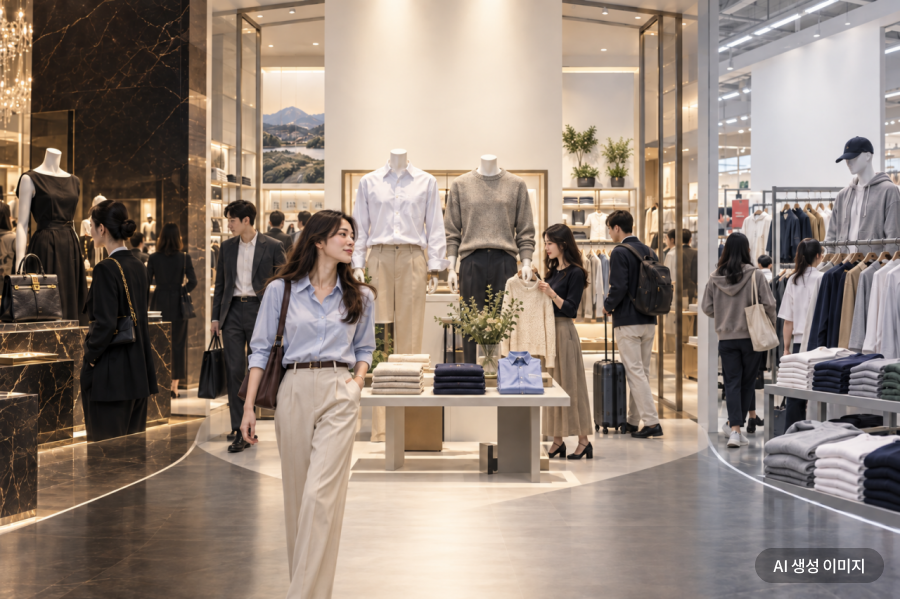
The resurgence of TD has been fueled by the polarization of fashion consumption. As spending has split between high-end luxury and budget SPA brands, mid-priced fashion brands have lost ground. TD filled this gap by being more affordable than luxury and highly trusted for material and quality, while shirts or knits can be worn in various scenarios—from work to gatherings and travel.
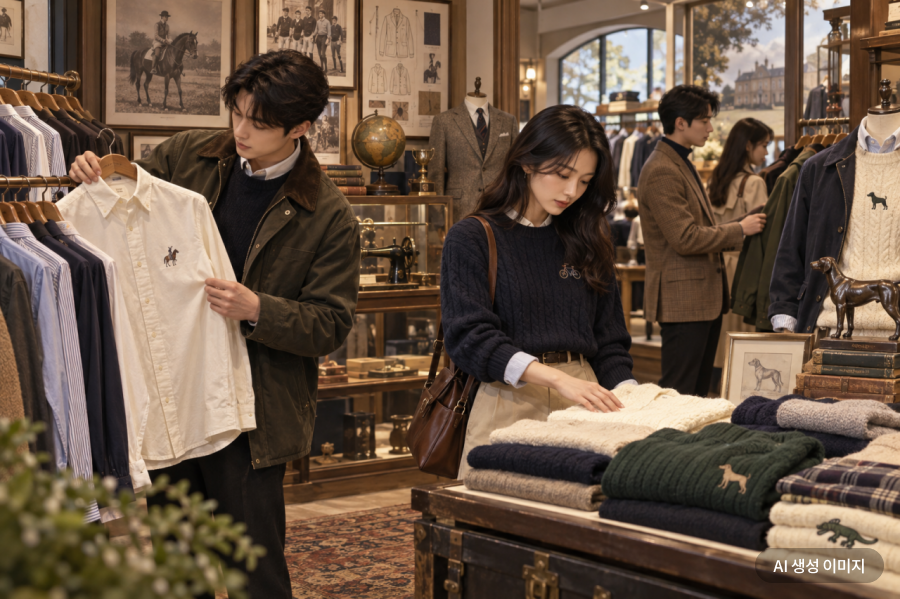
The tendency among younger consumers to value brand history and stories also played a role. Logos once seen as tired—like the pony, bicycle, hound, or crocodile—are now embraced by people in their 20s and 30s as authentic "heritage." More are choosing to stick with proven styles, wearing classic designs for longer instead of chasing annual trends.
Department stores are also expanding their TD sections. Shinsegae Department Store’s Gimhae branch has placed mixed-gender Ralph Lauren and Lacoste stores on the first floor. At Times Square, a new Lacoste women’s store was opened in the ladies’ casualwear section. A department store official said, “The plainness and old-fashioned image once seen as a downside now become strengths, as good clothes can be worn for years.”