
"The freedom to not have children, but still pay the price?" Fierce debate over the ‘Low Birthrate Tax’
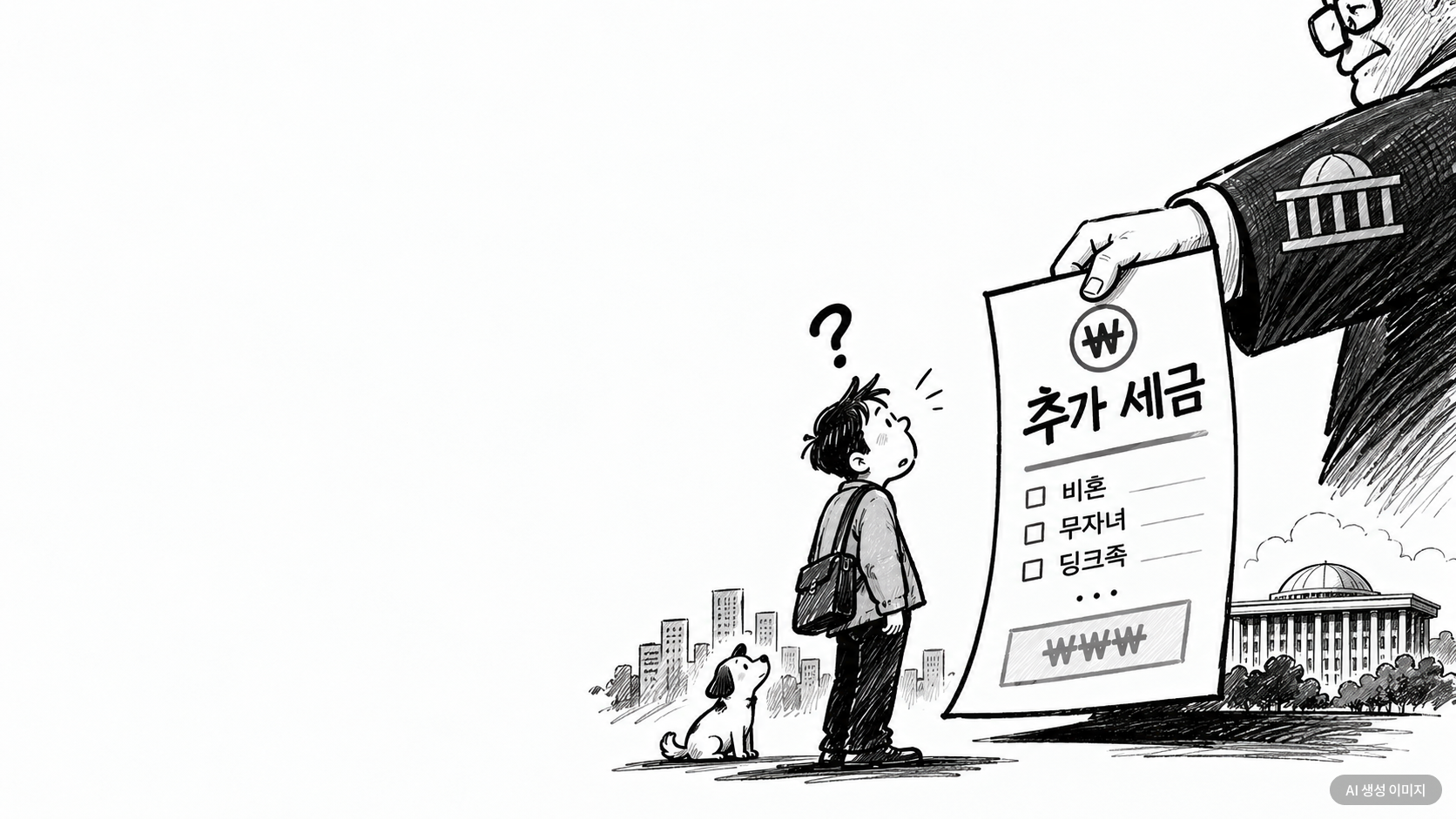
An argument is circulating that people who do not raise children should shoulder a greater burden. The opposing view claims it is wrong to penalize individual choices through taxation.
This is where the controversy beginsAs the trend of low birthrates continues, a proposal is gaining traction online to levy a so-called ‘low birthrate tax’ on single individuals and childfree couples. The reasoning is that since parents bear more costs and spend more time raising future generations, childless households—who benefit from that—should share part of the burden as well.
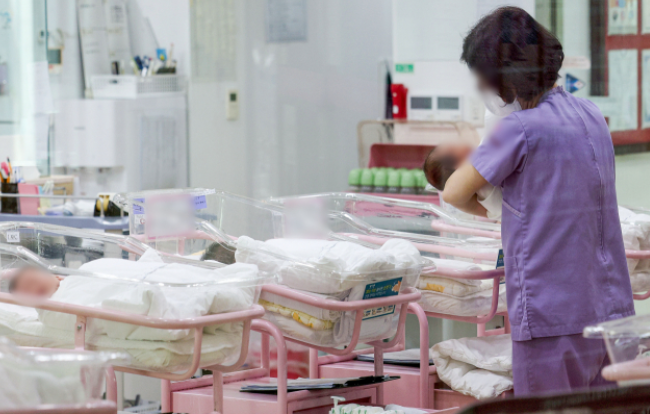 Children born today will shape society in the future
"Are the costs of raising the next generation
only for parents to bear?"
It is not just about childbirth, childcare, and education costs—parents also shoulder the need for larger living spaces, time for care, and even career setbacks.
However, once their children grow up, their contribution in the form of labor, taxes, health insurance premiums, and national pension contributions benefits not only the parents but society at large, according to supporters of the proposal.
"The children born today will be the ones actually running South Korea thirty years from now."That leads to this question:
“Shouldn’t everyone share the cost?”
Even those without children will, when they grow older, utilize the medical, welfare, and social infrastructures sustained by the next generation. Therefore, it is suggested that those who don’t directly raise children could instead share part of the cost.
Is childbirth an investment for society,
or should it remain an individual's choice?
are enjoyed by everyone."
based on whether or not a child is born."
Proposed Approaches
Under the Name ‘Low Birthrate Tax’
These are not actual policies, but ideas being discussed online.
But childless households
already contribute to social costs
Single individuals and childfree couples also pay earned income tax and value-added tax. These taxes are used for family policies such as childbirth subsidies, maternal support, child care, free education, and free meals.
Given that they are ineligible for the dependent tax deduction and some family support benefits, the argument is that they are already shouldering a relatively higher burden.

The Problems That Arise When
Lives Are Classified by Taxes
There are complaints that single or childless employees end up covering for workforce gaps filled by parents on parental leave.
It is also difficult to distinguish, institutionally, between those who do not have children by choice and those who wanted children but could not due to health or infertility issues.
There are objections to assuming that every child born will necessarily generate the same economic value and pay sufficient taxes in the future.
Some forcefully argue that concerns like high housing prices, education costs, care responsibilities, and career interruptions must be resolved first.

In the End, ‘Burden’ and ‘Freedom’
Directly Clash
Supporters view childbirth and parenting as an investment in the nation’s future, and believe society as a whole should help shoulder the cost.
Opponents argue that once birth status becomes a basis for taxation or insurance, individual choices could be subject to economic punishment.
Are Citizens Prepared
to Accept an Additional Burden?
The mood is clear according to a 2024 survey. Most respondents—by a significant margin—were unwilling to pay extra taxes or health insurance premiums for tackling low birthrates.
Should the Costs of Low Birthrates
Be Passed On to Individuals—Or Should the State Take More Responsibility?
There remains a much harder question than drawing lines between those who have children and those who do not: Who should shoulder the costs of an ultra-low birthrate society, and how should those costs be distributed?
-

Reporter Seo Jiyeong zo2zo2zo2@asiae.co.kr
-
Edit Kang Dongwon kangdw76@asiae.co.kr
© The Asia Business Daily. All rights reserved. Unauthorized AI training and use prohibited.