VISUAL NEWS
Parental Leave is on the Rise...
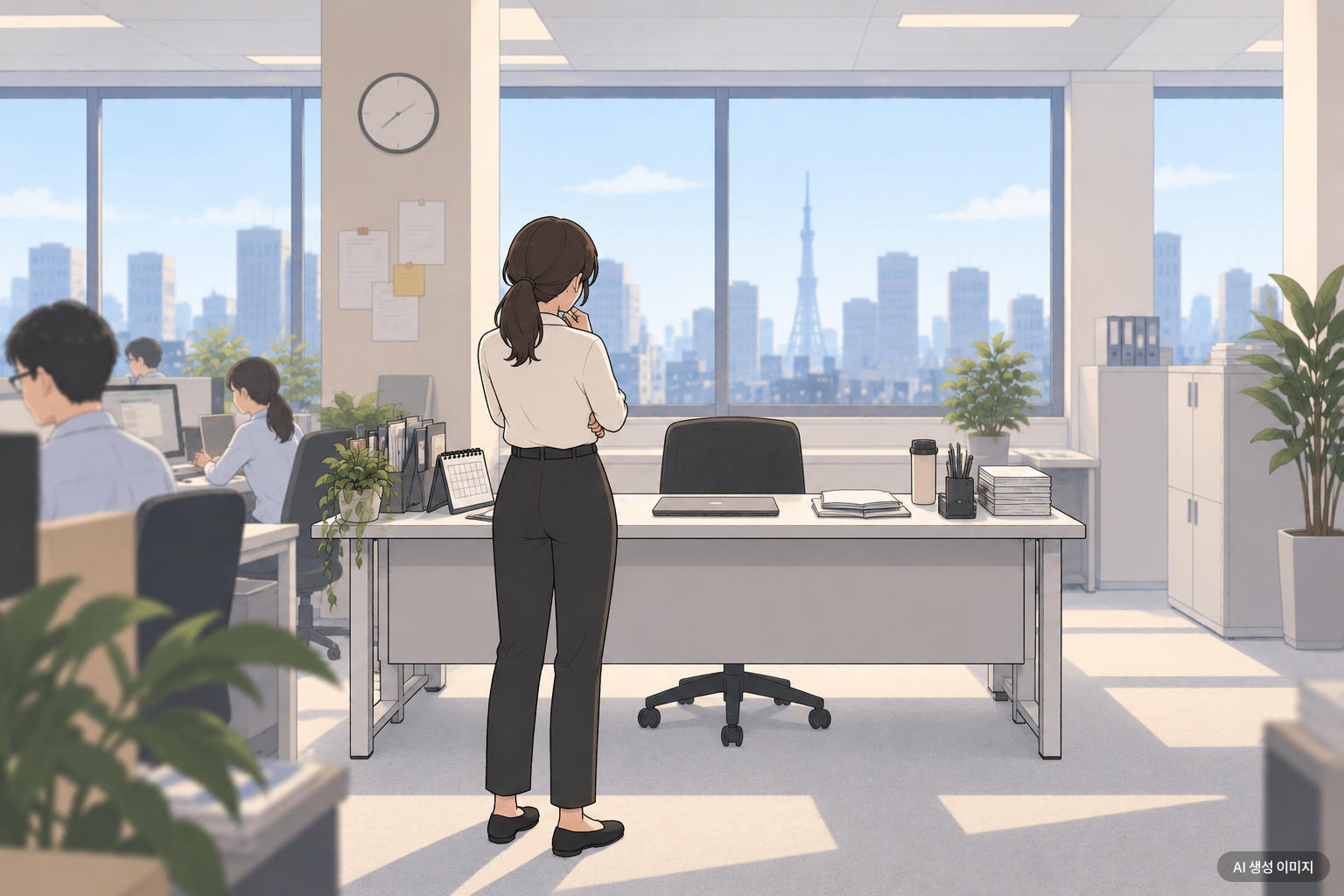
Wait, but who will do the work?
Support for childcare and caregiving in Japanese workplaces has been increasing rapidly.
Last year, the proportion of men taking parental leave surpassed 50% for the first time.
This is a welcome change that allows people to balance work and parenting.
However, workplaces are now facing some unexpected challenges.
Last year, the proportion of men taking parental leave surpassed 50% for the first time.
This is a welcome change that allows people to balance work and parenting.
However, workplaces are now facing some unexpected challenges.
Uh... something seems off?

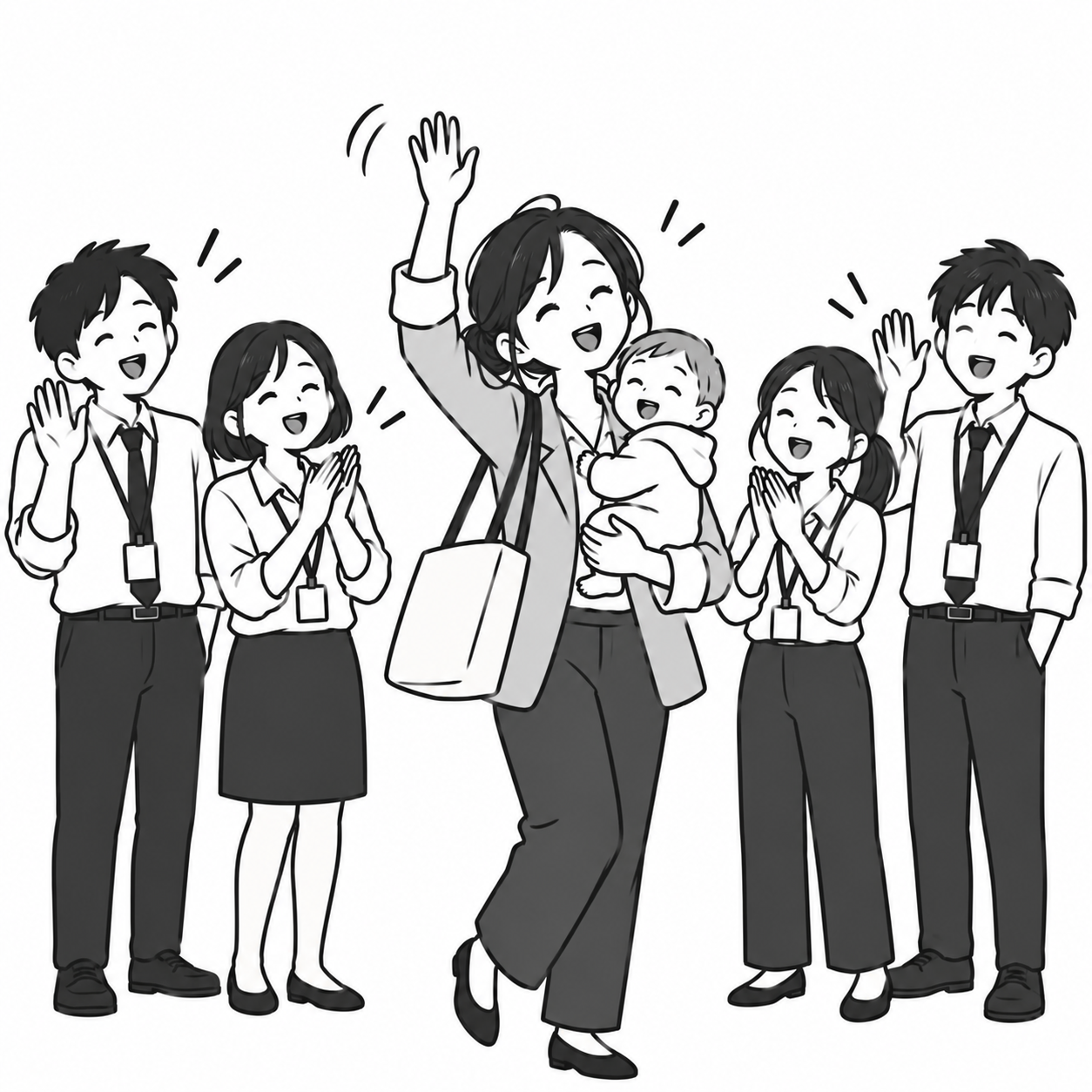
“Have a good leave!”
An employee goes on parental leave, and colleagues see them off with a smile.
But shortly after, the work they were doing remains untouched at their desk.
But shortly after, the work they were doing remains untouched at their desk.

Reports
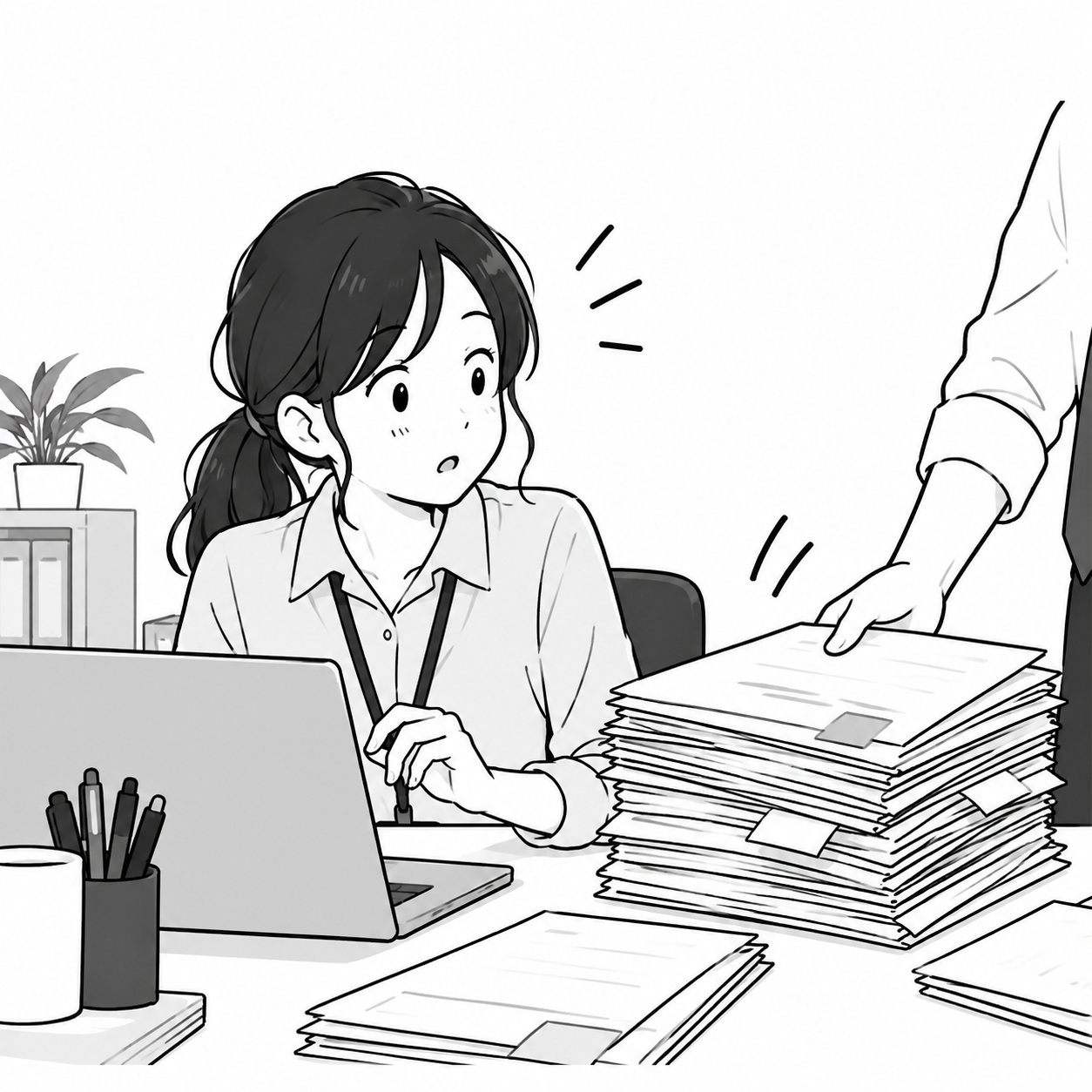
Contacting clients
Meeting materials
Backlogged work
“Wait... is all of this my job now?”

Who Fills the Gap?
In Japan, it has been pointed out that the extra work caused by leaves of absence
tends to fall on single or unmarried employees, who are viewed as having fewer time constraints.
tends to fall on single or unmarried employees, who are viewed as having fewer time constraints.
Extra Overtime for Those Covering the Work

+0.0hoursaverage per month
Those covering for colleagues with family or caregiving responsibilities were found to work an average of 5.6 hours of overtime per month more compared to others.
Workload burden
42.6%
Expressed dissatisfaction about being
forced to do extra work
forced to do extra work
Company support
69.2%
Said that company support was insufficient
“Is Transfer Also an Option?”
Most Women Who Relocate Are Single
60%
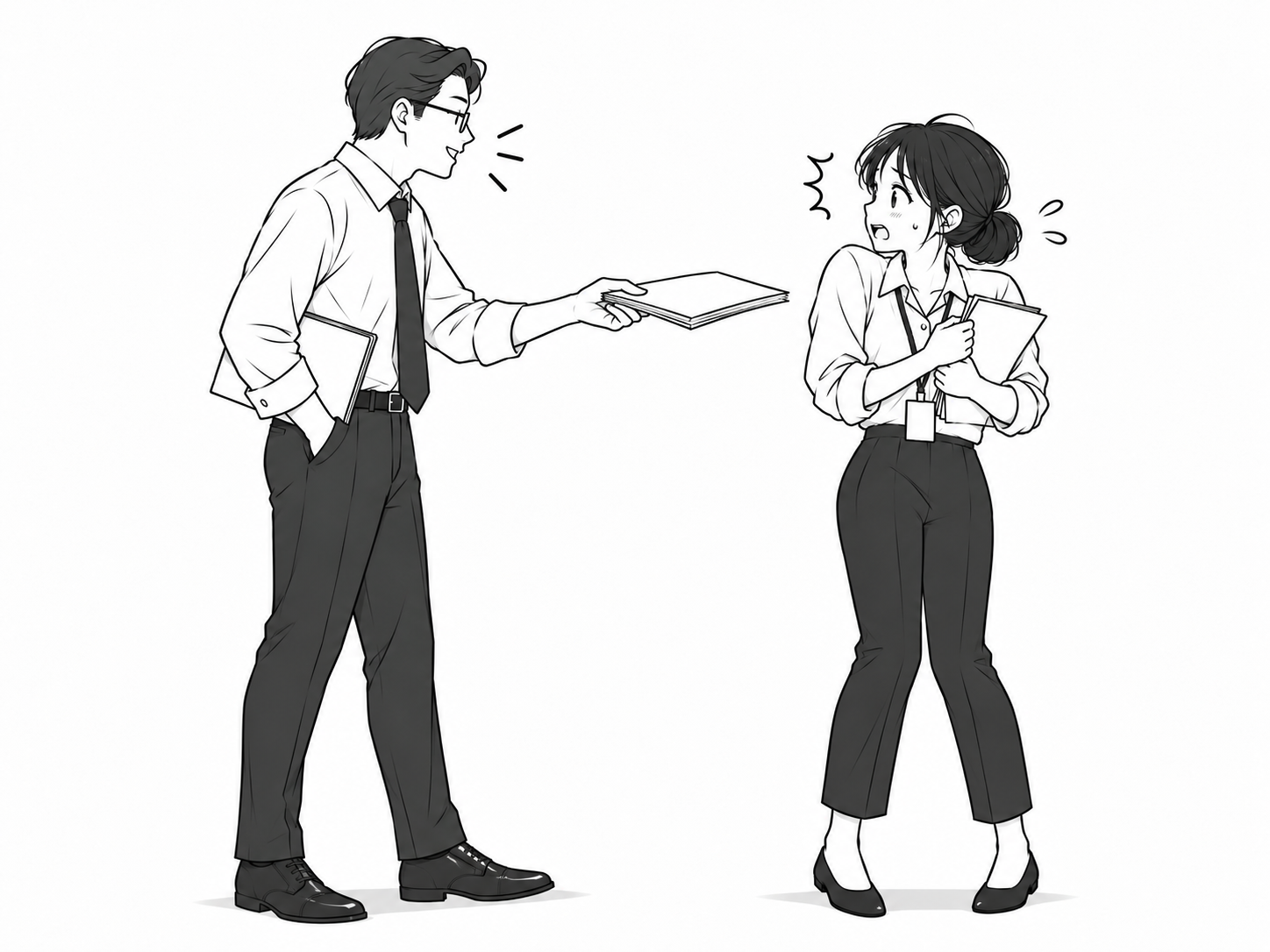
A similar trend is seen when it comes to employee relocation.
60% of the responding companies said that most women who accept regional transfers are single.
As it becomes difficult to ask employees with children or care responsibilities to relocate, more of that burden falls on employees who are seen as being more "free to move."
60% of the responding companies said that most women who accept regional transfers are single.
As it becomes difficult to ask employees with children or care responsibilities to relocate, more of that burden falls on employees who are seen as being more "free to move."
“It should be fine—they're single, right?”
But this perception also needs to change.
How Families Have Changed in 40 Years
Why is this issue drawing more attention now? Because the very image of the Japanese family
has changed dramatically in recent decades.
has changed dramatically in recent decades.
1986
Single-person households18.2%
Couple + children41.4%
40 years→
2025
Single-person households35.4% ↑
Couple + children24.3% ↓
Although how people live has changed greatly, corporate policies and workplace practices are being criticized for failing to keep up with these changes.
It's Not About 'Who Deserves Special Consideration'
Single employees are not necessarily opposed to support for parenting.
Parental leave and accommodations for employees with family responsibilities are both necessary.
But patching up the resulting work gaps by simply shifting the burden onto someone else's extra hours and sacrifices is the real problem.
Parental leave and accommodations for employees with family responsibilities are both necessary.
But patching up the resulting work gaps by simply shifting the burden onto someone else's extra hours and sacrifices is the real problem.
“How should we share the burden fairly?”
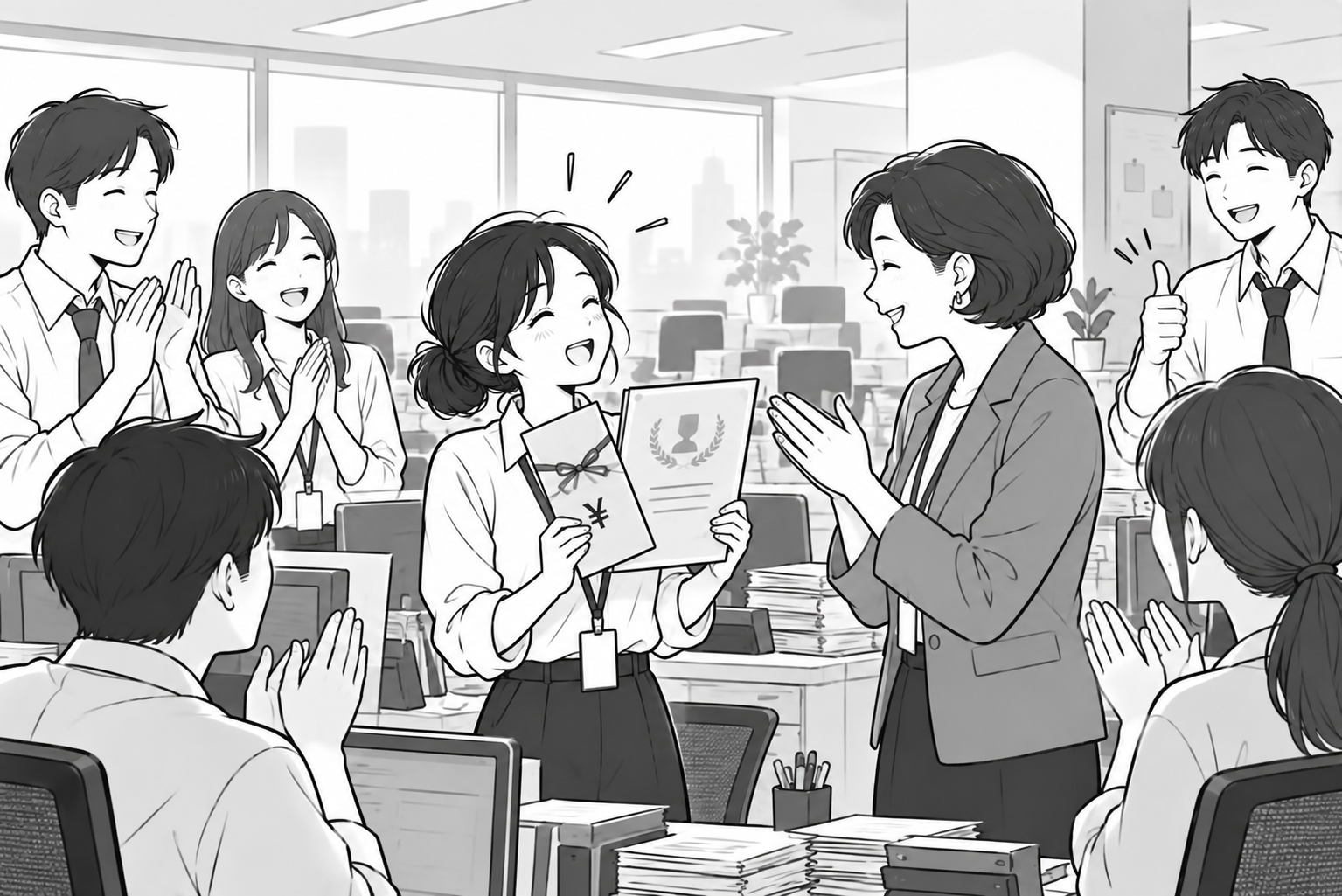
Let's reward those who fill the gap, too!
Some Japanese companies are already introducing measures.
+
Daiwa Lease
Bonnus payments to employees who take over the work of those on parental leave
¥
SSP (Esuesu Pharmaceuticals)
Allowance of 100,000 yen (approximately 860,000 won) for employees who do extra work for their colleagues
✓
Komani
Contributions to supporting colleagues' work are reflected in HR evaluations
Not just the person taking leave, but also those filling the gap are now being protected within new systems and policies.
For those taking leave, and for those who stay and work.
To care for someone,
don’t take someone else’s
sacrifice for granted.
Expanding support for childcare and caregiving is a necessary change.
But for such systems to function well,
we must also pay attention to the burden placed on those who fill in the gaps.
Whether you have family or not, whether you are married or not—
It's time for workplace policies to adapt to these new ways of life.
But for such systems to function well,
we must also pay attention to the burden placed on those who fill in the gaps.
Whether you have family or not, whether you are married or not—
It's time for workplace policies to adapt to these new ways of life.
So that no one fills the gaps in consideration
by sacrificing themselves.
by sacrificing themselves.







