Showing AI-generated faces
Surge in requests for plastic surgery
Surge in requests for plastic surgery
by Choi Young
by Choi Yujeong
Published 07 Sep.2026 15:39(KST)
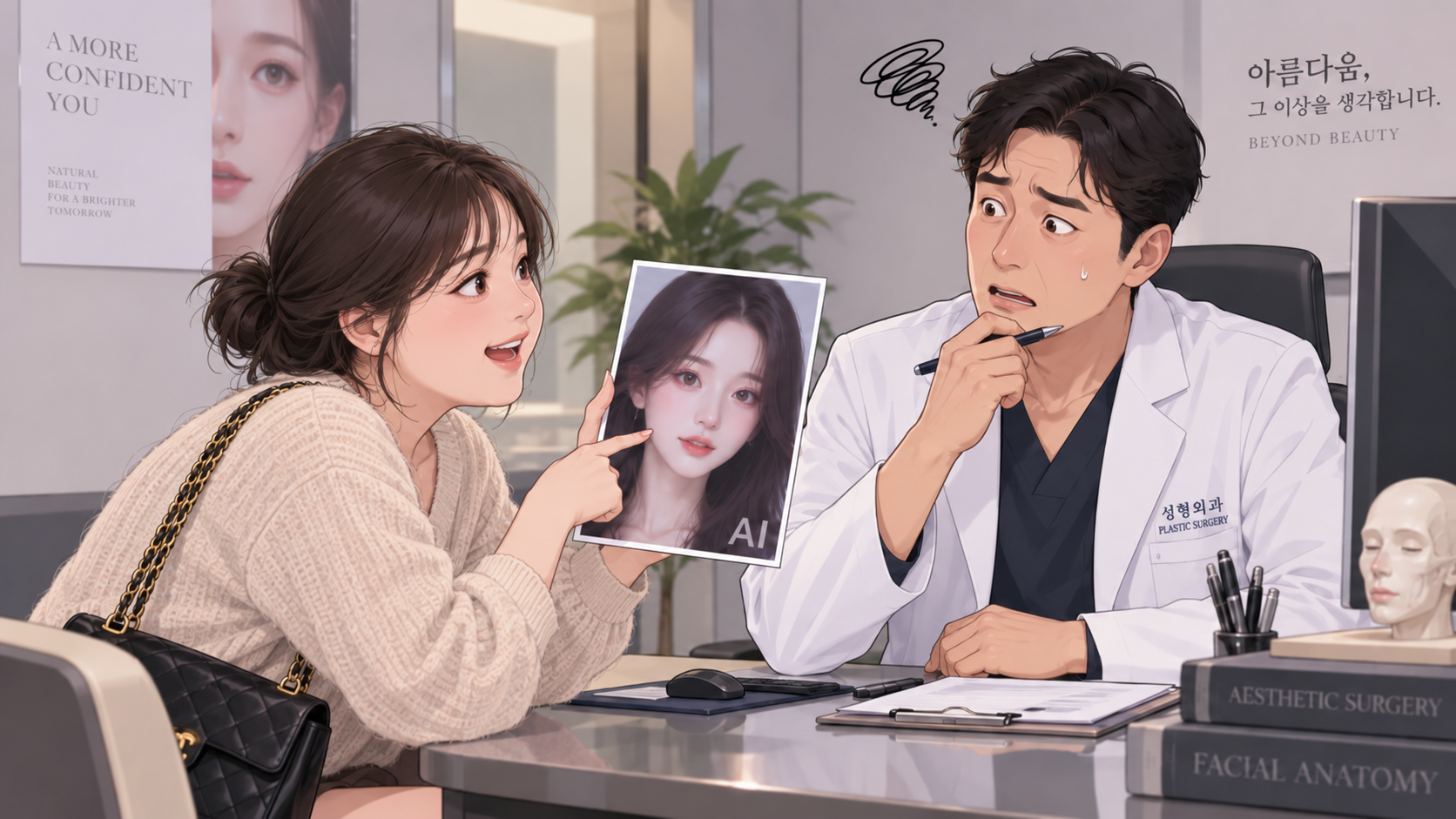
According to the New York Post on September 6 (local time), there has recently been a notable increase in cases where patients present images created by artificial intelligence (AI) as reference photos during plastic surgery consultations.
Thomas Su, a board-certified plastic surgeon, told the New York Post, "The number of patients expecting that their AI-edited faces can be fully replicated through actual plastic surgery is on the rise."
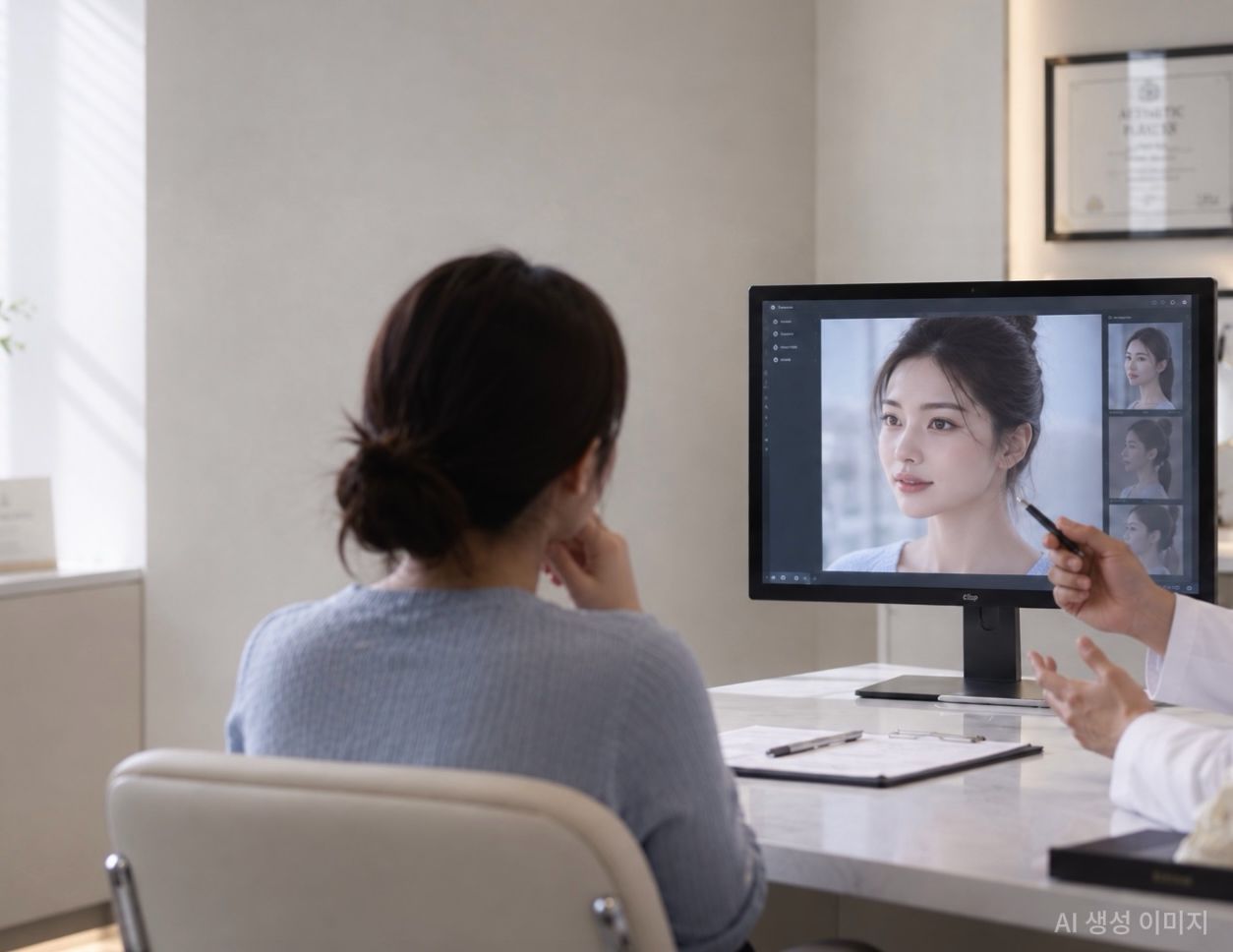
In the past, people would bring in actual photographs of human faces to describe the features they wanted, but now patients show AI-generated face images and ask to look like those. Sometimes, the requested images resemble video game or fantasy movie characters, with overly smooth and unrealistic skin textures.
Su pointed out that AI can lead patients to expect results that go beyond the limits of what can be achieved through plastic surgery. He explained that, since AI does not account for differences in individual anatomical structures, tissue conditions, or post-surgical recovery processes, the actual outcomes of surgery may differ significantly from those depicted by AI.
A study published last year by Beth Israel Deaconess Medical Center found that people who altered their appearance using AI editing tools had much higher expectations regarding plastic surgery outcomes than those who had not.
There are also cases where AI can be helpful in surgical consultations. When patients show images to articulate needs that are difficult to express verbally, it can facilitate more effective discussions about the direction of the surgery. In fact, some plastic surgeons are already using AI simulators and medical AI software in their clinics.
However, Su warned against AI-generated faces becoming the standard of beauty, noting that the pursuit of such images could eventually result in people looking increasingly alike.
Su emphasized, "Good surgical results do not mean replicating an AI-created face, but rather enhancing the patient's own natural facial features and proportions." He added, "Whether it be a facelift, rhinoplasty, or chin implants, the ultimate goal should never be to achieve the perfect face as seen on a digital screen."
Choi Young zero02@asiae.co.kr
Choi Yujeong yjchoi@asiae.co.kr
© The Asia Business Daily. All rights reserved. Unauthorized AI training and use prohibited.








