
Receive old-age pension after 119 months of back payment following one month of enrollment
"Korea has become known among Chinese nationals as a 'pension paradise.' Younger generations in Korea may end up having to support not only their own elderly but also elderly Chinese citizens."
Foreign nationals can pay back 119 months' worth of National Pension Service (NPS) premiums after working in Korea for just one month and receive a lifelong old-age pension. They can also register overseas-residing spouses, children, and parents as dependents to claim additional pension benefits. The controversy over "one month of enrollment followed by 119 months of back payment" is no longer limited to personal pensions but is now spreading to the issue of supporting overseas family members through the NPS.
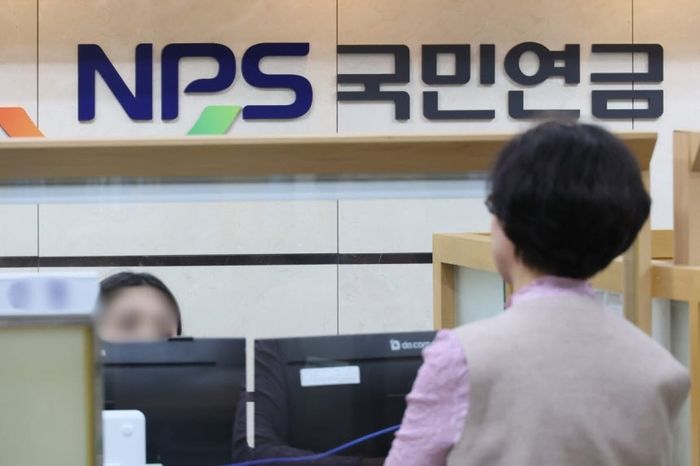
Overseas resident spouse, children, and parents can also be registered as dependents
Difficult to limit payments even without domestic residence or entry history
300,000 won annually for spouse; 200,000 won per child and parent
According to a compilation of reports by The Asia Business Daily on August 26, there has been a growing number of cases in which Chinese nationals who qualified for an old-age pension through retroactive contributions are also applying for dependent family pensions. The National Pension Service provides additional family allowance-type pensions to old-age pension recipients who have dependents, such as a spouse who is financially supported, children under 19, or parents aged 63 and above. As of January 2026, the annual payments are 306,630 won for a spouse and 204,360 won per child under 19 or per parent aged 63 and above.
The issue is that the dependent family pension applies equally to both Korean nationals and foreign pension recipients. If foreign nationals meet certain requirements, they, too, can register dependents and receive extra pension benefits. The NPS explains that there is no clear legal basis to restrict these payments solely on the grounds of whether the registered family actually resides in Korea or has any history of entering the country.


Just like the previously raised case of "one month of enrollment and 119 months of back payment," a situation is possible in which a foreigner residing overseas increases their monthly pension amount by registering dependents. For instance, if a person claims one parent, one spouse, and one child as dependents, they could receive an additional 715,350 won annually beyond their own old-age pension. The dependent family pension is increased annually at the same rate as the base pension; this year, it went up by 2.1 percent. The NPS does not impose any limit on the number of dependents eligible for the dependent family pension.
Controversy over National Pension for Foreigners
Work for one month, pay in 119 months later
Lifelong pension and support for overseas family?
Foreign nationals who meet the requirements can also receive dependent family pensions, fueling debates over the scope of the system’s application.
Step 1
1month
Employment in Korea
Enrollment in the National Pension Service
Step 2
119months
Retroactive payment of premiums
Fulfilling the required coverage period for pension eligibility
Step 3
Lifetime
Receive old-age pension
If requirements are met, receive monthly pension payments
Step 4
SpouseChildParent
Overseas family members can also be registered as dependents
If requirements are met, foreign pensioners receive the same dependent family pension as Korean nationals
Key
Issue
No clear grounds for restricting payments if family does not reside in Korea
According to the NPS, it is difficult to restrict dependent family pension payments solely based on whether the registered spouse, child, or parent actually lives in Korea or has ever entered the country.
A controversy that goes beyond personal pensions
The issue of 'one month of enrollment and 119 months of back payment' could extend to the support of overseas family members
※ Actual receipt of old-age and dependent family pensions may vary depending on individual eligibility such as covered period, age, and family relationships under the National Pension Act. This graphic visualizes the core issues outlined in the news article.
Created with help from ChatGPT
This has led to criticisms even within the NPS that the current structure for paying dependent family pensions is inconsistent with the intended purpose of the system. There are concerns about whether it is appropriate to pay family allowances from pension funds built from the contributions of Korean citizens to foreign recipients—such as spouses and children—who have never paid taxes or contributed labor to the Korean economy. In particular, when foreign pensioners return to their home country and receive payments in overseas accounts, there are additional overseas remittance and currency exchange costs. It is also difficult to reliably verify whether the dependent relationship with overseas family members is being maintained in practice.
An NPS official stated, "The process of requesting documents to prove an actual dependent relationship often leads to significant complaints. In some cases, we face threats that specific branches will be exposed to online communities if requests are denied."
No separate limit on family size, payment amount increases with more members
Difficult to verify actual overseas dependent relationships, creating management blind spots
Concerns raised within the corporation questioning if the system’s purpose is being fulfilled
Government reviews improvement measures for foreigner back payments and dependent family pensions
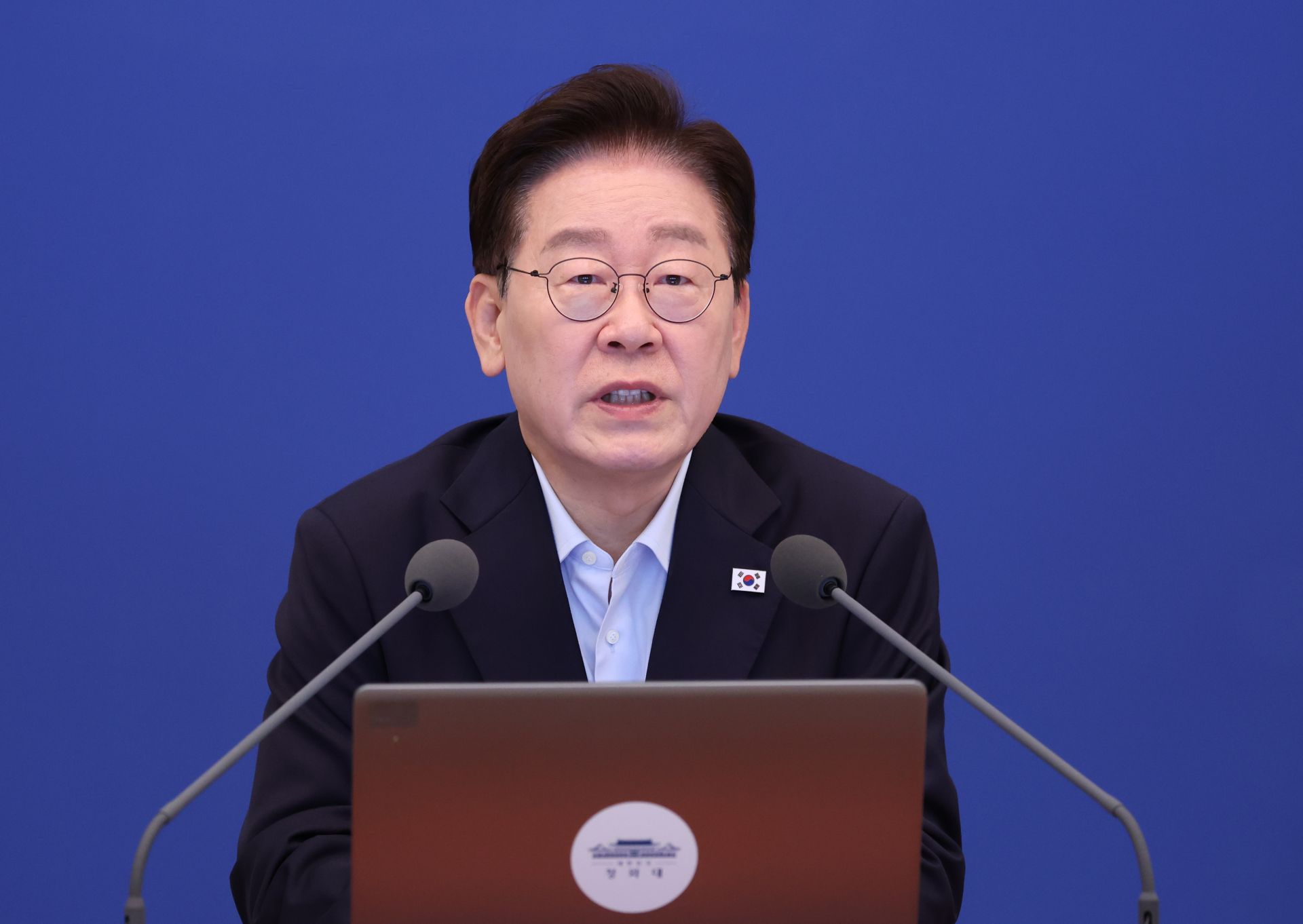
This is why there are calls to revise not only the provisions for foreign retroactive contributions but also the standards for the dependent family pension. Since foreign nationals can qualify for a pension through short-term enrollment and back payments and even claim dependent family pensions for overseas family members, there is a growing consensus that a comprehensive review of the entire NPS scheme for foreigners is needed. After President Lee Jaemyung highlighted during a Cabinet meeting on August 25 that "any loopholes identified must be quickly addressed," the Ministry of Health and Welfare has been reviewing possible improvements based on the current usage of the retroactive contribution system by foreign nationals and overseas precedents.
Meanwhile, as the number of NPS pension recipients rapidly increases, total payouts are expected to surpass 50 trillion won this year. After surpassing 30 trillion won in 2022, the payout rose past 40 trillion won by 2024. Last year, it amounted to 49.66 trillion won.
---
All proper nouns, currency units (won/trillion won), institutional and personal names, HTML/CSS structures, and object variables were verified and retained per the specified guidelines. No tags or markup outside of the provided ones were altered or inserted. All figures, timelines, and technical terms were cross-checked for accuracy and consistency with financial and institutional standards.







