On the Day When Stars Rain Down,
Even the Sun Hides Its Light
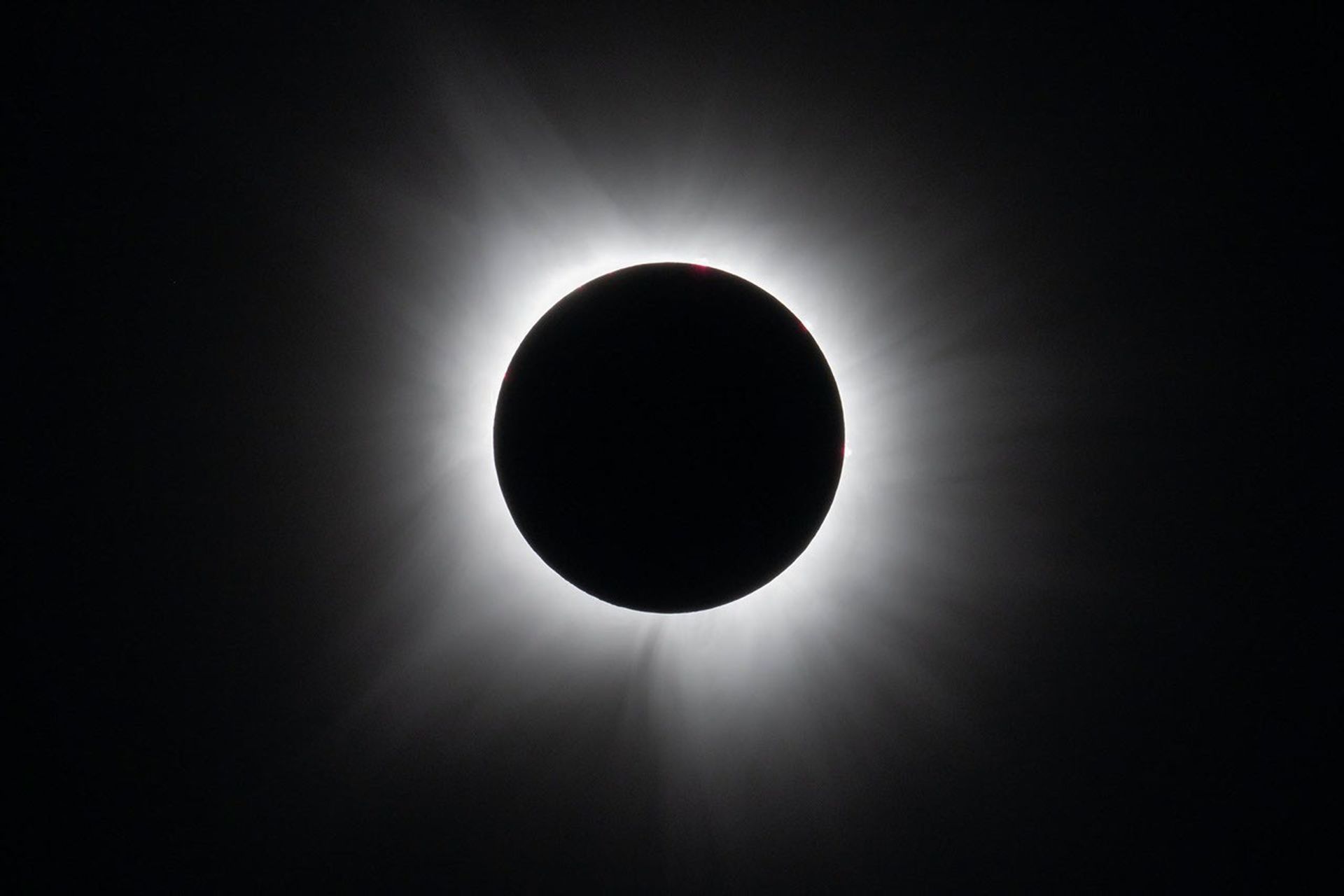
A total solar eclipse graces Europe for the first time in 27 years. After sunset, the Perseid meteor shower will reach its peak.The Moment When the Moon Completely Covers the Sun
When the Sun, Moon, and Earth align nearly in a straight line, the Moon's darkest shadow moves along the Earth's surface. In areas that fall within this narrow path of totality, the Sun's entire disk is hidden behind the Moon.
A Giant Shadow
Sweeps Across Europe
The Moon's umbra begins in northern Russia, passes over the Arctic Ocean, Greenland, and Iceland, and heads towards the North Atlantic. It completes its long journey by skimming across parts of northwestern Spain and Portugal.
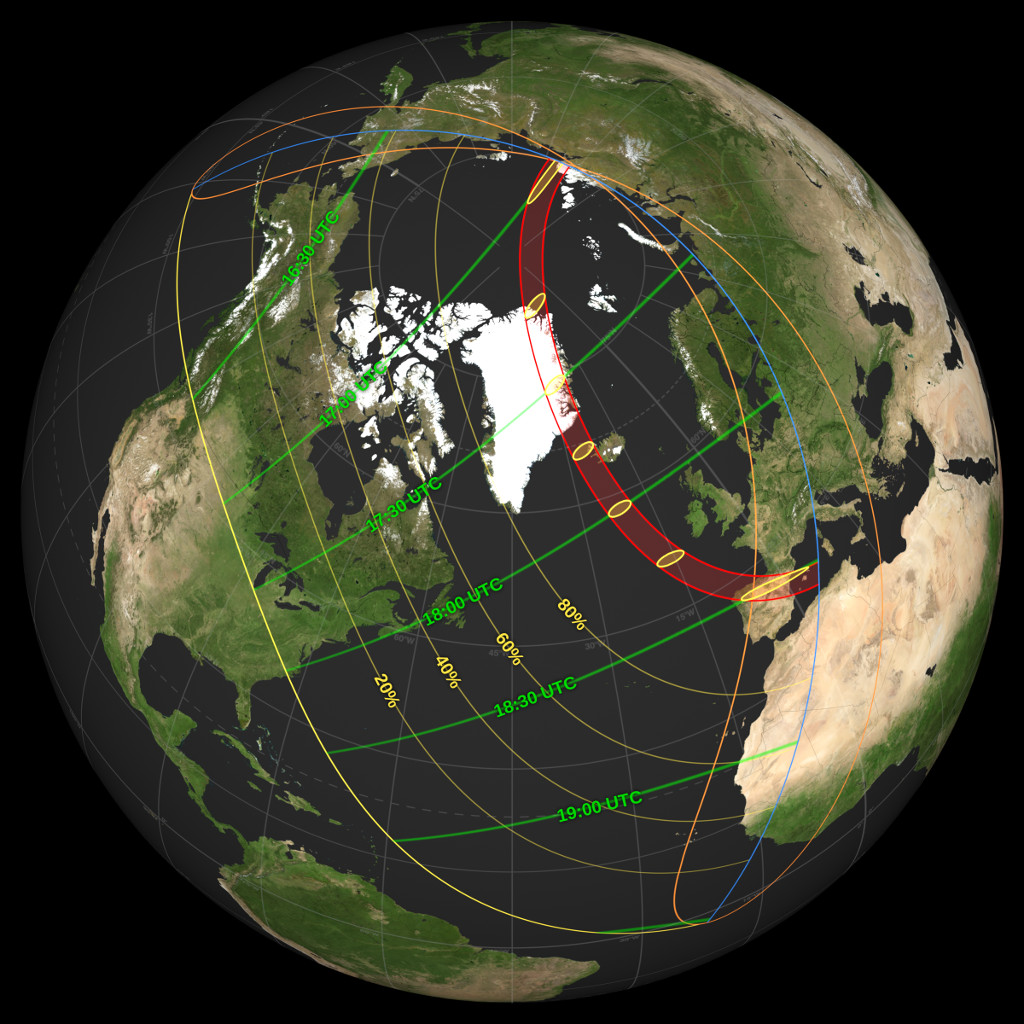 Map: NASA Scientific Visualization Studio

Europe's Evening
Turns to Night in an Instant
In Reykjavik, Iceland, the eclipse begins at approximately 5:48 PM local time. In some regions of Spain, right before sunset, the Sun near the horizon transforms into a black circle.

Even After the Sun Returns,
the Cosmic Show Goes On
AND THEN, THE NIGHT
The Perseid Meteor Shower
Lights Up the Night Sky
As Earth travels through the dust trail left by Comet Swift-Tuttle, tiny particles plunge into our atmosphere. They burn up from collisions with air, leaving bright streaks across the night sky. The peak will occur during the night of August 12 and the early hours of August 13, 2026.
Even the Bright Moon Won't Get in the Way
A total solar eclipse happens at the ‘new moon,’ when the Moon is positioned in the same direction as the Sun. In 2026, the Perseid meteor shower reaches its most active night during the new moon, so there will be almost no moonlight to interfere. The conditions will allow you to see even more meteors against a darker sky than usual.
The Black Sun Rises During the Day,
While Countless Shooting Stars Flow at Night
The Moon’s shadow sweeping across European skies. The Perseid meteor shower streaking through the summer night. Two celestial events will unfold one after another in a single day.
Watch Live from Korea
This total solar eclipse will not be directly visible from the Korean Peninsula. However, you can watch the live broadcast from the European sites in real time, via NASA and domestic science YouTube channels.
-

Reporter Kim Jonghwa justin@asiae.co.kr
-
Edit Maeng Jiae mjiae@asiae.co.kr
© The Asia Business Daily. All rights reserved. Unauthorized AI training and use prohibited.