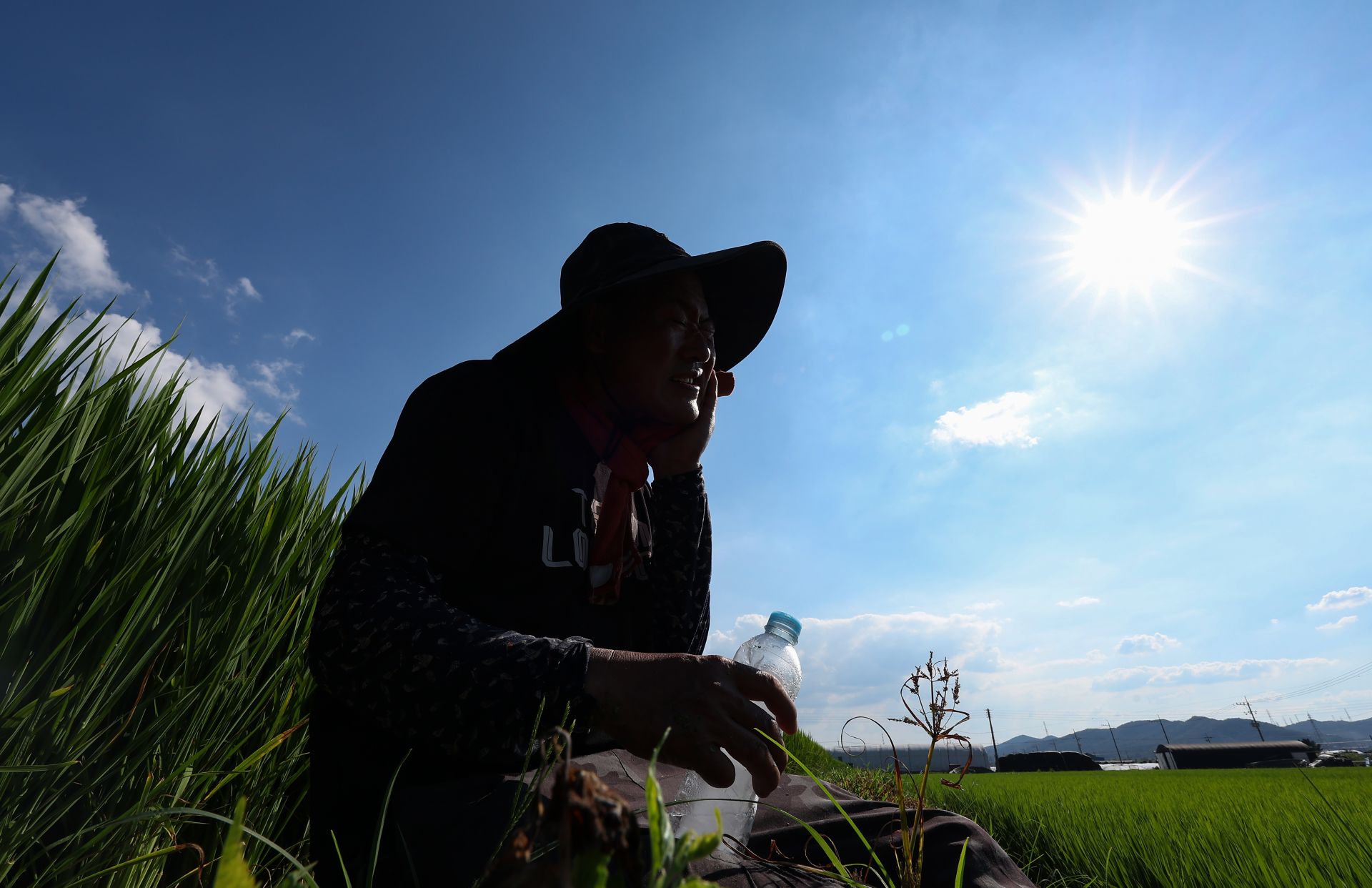
Six out of every ten heat-related deaths have occurred among the super-elderly aged 80 and above during this heat wave, prompting the government to designate this group as a priority for intensive heat risk management. The Ministry of Health and Welfare announced plans to strengthen indoor environment inspections and health checks through the public health centers' home visit health management project.
According to the Ministry of Health and Welfare, as of August 6, based on the heat-related emergency room surveillance system operated by the Korea Disease Control and Prevention Agency, the population aged 80 and over faces the highest risk of heat-related illness, and the estimated number of deaths is heavily concentrated in this age segment.

From May 15 to August 4, 2026, a total of 2,441 cases of heat-related illness were reported. Among them, 825 cases (33.8%) were in those aged 65 and older, and 300 cases (12.3%) were in those aged 80 and older. While the highest number of cases by age was among people in their 60s (450 cases), the incidence rate per 100,000 people was highest in the population aged 80 and above, at 12.5, which exceeded all other age groups.
Notably, of the 21 estimated heat-related deaths, 13 (61.9%) were among those 80 and over. Expanding the scope to those aged 65 and above accounted for 17 deaths, representing 80.9% of the total.
The characteristics of the super-aged group were also apparent in the places where these illnesses occurred. Among all cases of heat-related illness, the most common locations were outdoor workplaces (25.6%), rice fields or farmland (13.3%), and streets (12.2%). However, for those aged 80 and older, the highest percentage was seen in rice fields (27.7%), followed by streets (19.7%) and at home (18.0%). The rate of occurrence at home was particularly high for this age group—at 18.0%, nearly three times higher than the 7.0% seen in the general population—highlighting the need for heat response not only outdoors but also indoors.
Elderly individuals have decreased ability to regulate body temperature, and they may not recognize the initial symptoms of heat-related illness, leading to rapid symptom progression. During heat waves, it is recommended that older adults avoid working in fields or greenhouses and refrain from spending long periods outdoors, especially during the hottest times of day. Even if they are not thirsty, it is advisable to drink water frequently. It is also important to use cooling devices indoors to maintain a comfortable temperature. For elderly people living alone or with limited mobility, it is recommended that family members, neighbors, or support staff frequently check their health status, indoor temperature, and whether cooling devices are operating properly.


In response, the Ministry of Health and Welfare will utilize the ICT-integrated home visit health management services at public health centers nationwide to enhance the protection of people aged 80 and above. Visiting nurses and health managers will check health status through home visits and telephone consultations, and will use the "Oneul Health" application (app) to send text alerts at each heat risk level and to provide guidance on appropriate actions. They will also connect with guardians and medical institutions, inspect cooling environments, and provide information about heat shelters.
From July 13 to August 4, 2026, a total of 126,890 heat wave alert texts were sent through the Oneul Health app, and out of 176,514 home visits made by health management nurses, 128,283 (72.7%) involved heat response activities such as cooling environment inspections and distribution of preventive supplies. There were also instances where elderly individuals who reported dizziness during phone consultations received emergency house visits, and where the safety of elderly people living alone and not responding to calls was checked.
The Ministry of Health and Welfare and the Korea Disease Control and Prevention Agency stated, "With extreme heat and tropical nights persisting, those aged 80 and older present the highest incidence of heat-related illness and the largest proportion of deaths relative to their population, so special protection is necessary." They added, "Efforts must be made to prevent heat-related illness both outdoors and indoors, and we urge families and neighbors to frequently monitor the health status and indoor environment of elderly individuals."


![The Thump-Thump of DJ NewJeansnim and Seowon Completed by Scenery Are Both Right" [Digging Travel]](https://cwcontent.asiae.co.kr/asiaresize/304/2026101116454356342_1791704743.jpg)