40% of Flounder Die in Boiling Sea
Completely Unprotected Against High Temperatures

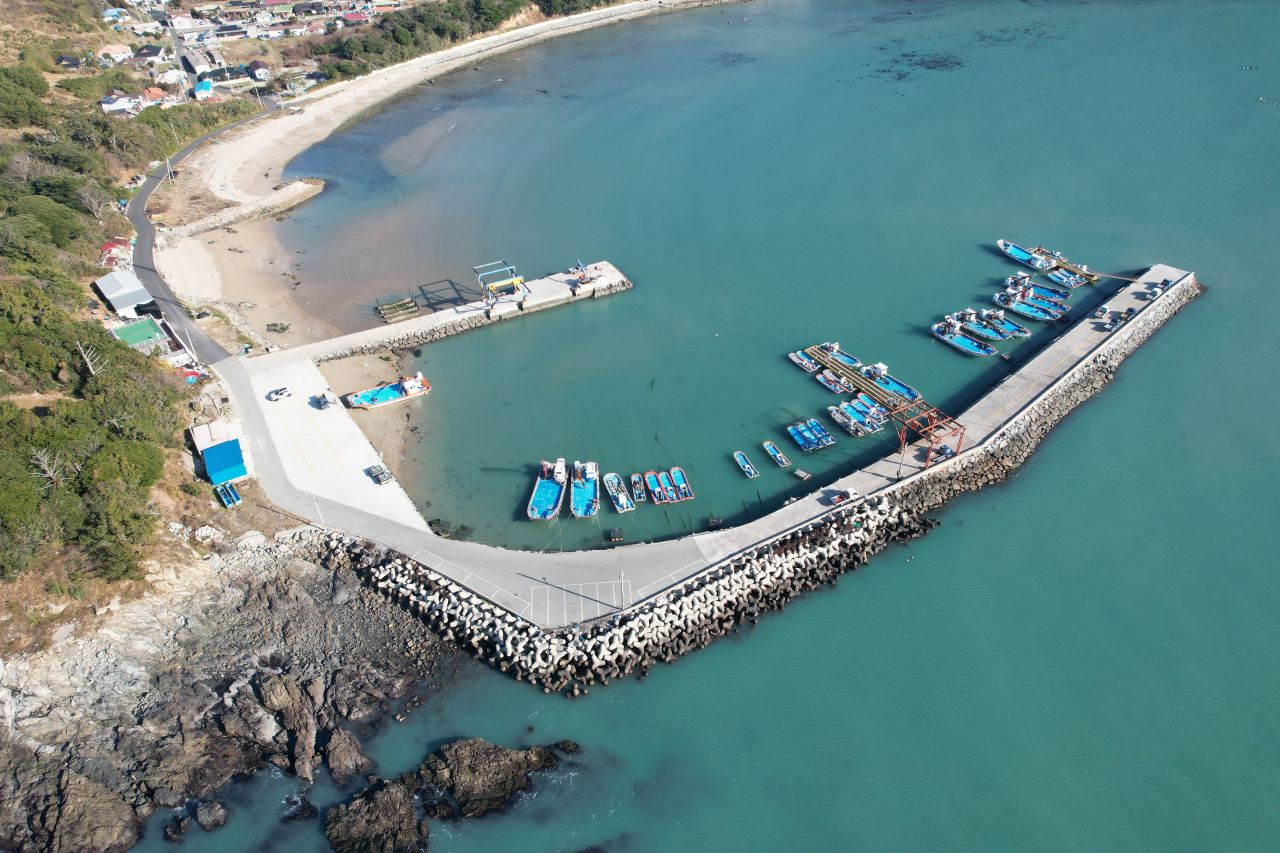
Jeollanam-do Yeosu Cage Aquaculture Farm. Not related to the article content. Yonhap News Agency
원본보기 아이콘A flounder farm in Wando County, Jeollanam-do. Dead flounder, their bellies up and white on the surface, are being hauled out of the water continuously. With the relentless heatwave causing a steep rise in seawater temperature, a so-called "high temperature disaster" has become a harsh reality on site.
Waters Exceed Safe Temperature
Mass Deaths due to Lack of Oxygen

A flounder farm in Wando County, Jeollanam-do. Due to the heatwave, the seawater temperature far exceeded the growth limits for flounder, turning the entire farm into a vast field of carcasses. Photo by Lee Jungkyung
원본보기 아이콘The damage at the Wando aquaculture farm visited by reporters on August 2 was severe. At the farm managed by CEO A, more than 30,000 out of approximately 70,000 fish died, resulting in a mortality rate exceeding 40%.
Mass Asphyxiation Deaths (Mortality Rate 42.8%+)
The optimal growth temperature for flounder is 20–25℃, but currently, water temperatures at the farm fluctuate between 27–28℃. Surface water temperatures in nearby southern coastal areas and Jeju have also soared to around 29℃. For fish, a 1℃ rise in water temperature causes stress equivalent to a +10℃ environmental shift for land animals. Employee B, encountered at the site, sighed as he showed a cold storage warehouse filled with dead flounder.
For fish farmers, this is an extreme situation with no way to intervene.
This year, due to the effects of climate change, the arrival of high temperatures has happened unusually early. The Ministry of Oceans and Fisheries has recently raised the high temperature warning level to "Critical I" and activated an emergency task force. As early as July, water temperatures in key marine areas nationwide had already exceeded average levels for this time of year.
Full Payouts For Livestock...
...But "Insurance Surcharges" for Fisheries

A, the head of a fish farm in Wando, raised his voice, saying, "More than 40% of the total breeding stock, over 30,000 fish, died, resulting in hundreds of millions of won in damages all at once." Provided by the company
원본보기 아이콘The most significant grievance raised by on-site fishermen is the issue of policy fairness among primary industries. Currently, in livestock farming, when catastrophic diseases like African Swine Fever (ASF) occur, these are classified as national disasters aimed at preventing spread, activating a government-operated direct compensation system (such as culling payouts).
Fishermen argue, "High temperature damage caused by uncontrollable climate disaster also shakes the foundation of the industry at a national level just like infectious diseases. However, aquaculture receives no comparable direct government support."
Even in cases of heatwaves, agriculture and livestock enjoy multi-layered protection, including special livestock disaster insurance policies for heatwaves and various disaster recovery funds and facility support from local governments. In stark contrast, aquaculture farms facing "boiling seas" and high-temperature damage are left solely responsible through the flawed "aquaculture disaster insurance" system.
The most serious flaw in the current aquaculture disaster insurance system is its discriminatory structure, which actually disadvantages those who have dutifully purchased insurance. When disaster strikes, farms without insurance can receive up to 50 million KRW in government relief, but those who paid for their own insurance are completely excluded from support.
Mass Death Shakes Supply Chain
Soaring Raw Fish Prices Feared

Inside a frozen warehouse in Wando County. Tens of thousands of flatfish that have died are piled layer by layer from the floor to the ceiling. Photo by Lee Jungkyung
원본보기 아이콘This series of mass deaths at Wando aquaculture farms is expected to not only damage the farms themselves but also lead to higher seafood prices in the second half of the year. Wando County accounts for approximately 37% of the nation's flounder production and currently has 192 farms engaged in aquaculture.
Flounder Production
Temperature in Southern Coast & Jeju
Warning by Ministry of Oceans and Fisheries
from Juvenile to Harvest
Key farmed species like flounder and rockfish require at least a year from juvenile to harvest. Because it is structurally difficult to restore supply in a short time, large-scale mass deaths inevitably lead to a surge in prices at the source. In fact, following last year's high temperature event, the price of rockfish in producing regions jumped more than 50% from the same period the previous year.
As the climate crisis becomes a daily reality, damage from high temperatures has now become an annual, ongoing disaster. Voices are rising in farming communities calling for the urgent establishment of a national direct compensation system for fisheries akin to livestock disease outbreaks, as well as for improvements to the fundamentally unfair insurance system—a call for more realistic, climate-crisis-adaptive fisheries policy.
-

Reporter Lee Jungkyung lejkg123@asiae.co.kr
-
Edit Oh Hyunyoung hyun05@asiae.co.kr
© The Asia Business Daily. All rights reserved. Unauthorized AI training and use prohibited.