Homeowners in Gangnam·Hangang Belt on edge
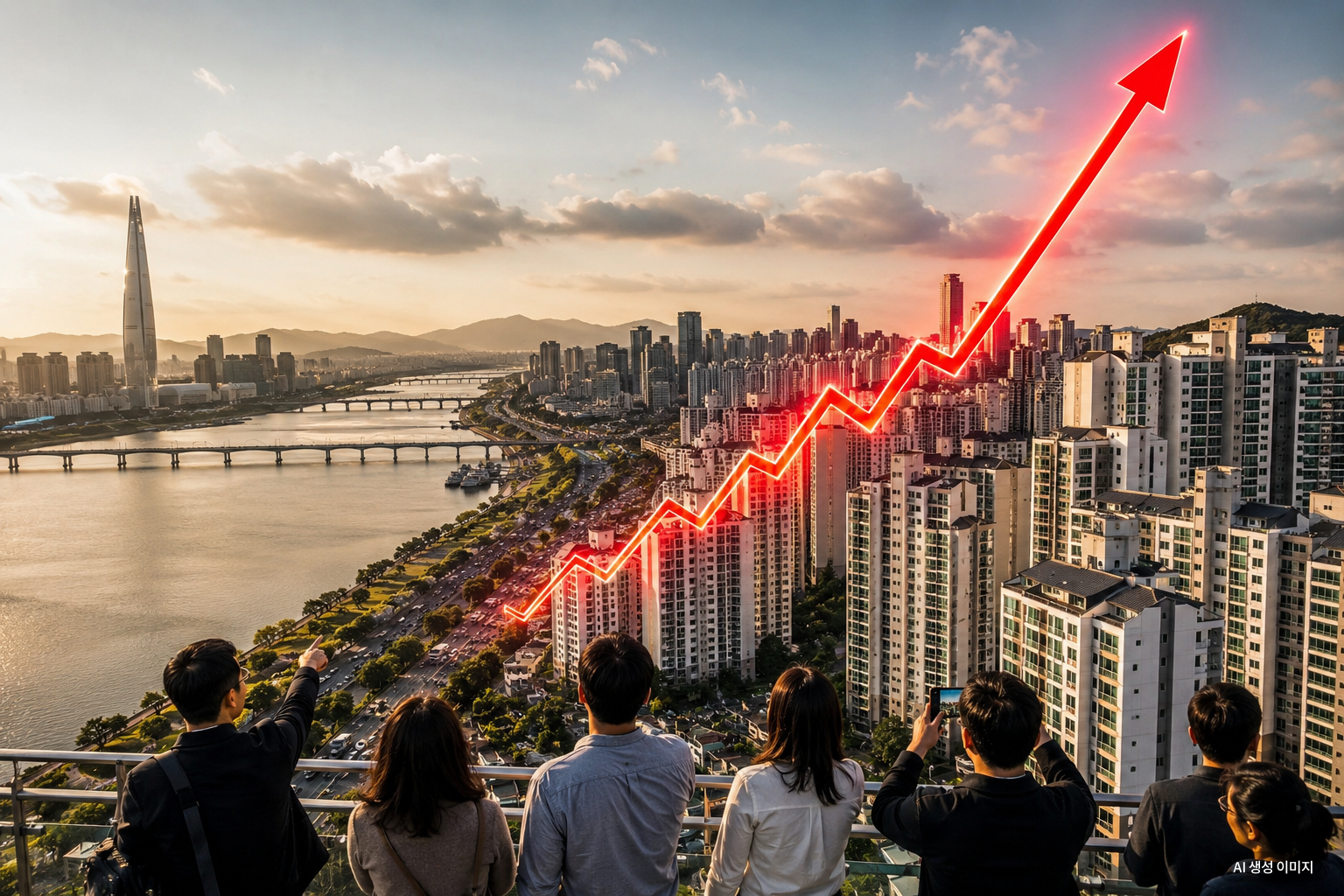
As the government is reviewing measures to increase the tax burden on ultra-high-priced homes, property tax on expensive homes in the Hangang Belt area has reached a record high this year, even without adjustments to tax rates. If the government pursues stronger tax reforms, such as raising the ceiling on property tax burdens and increasing the fair market value ratio, the tax burden for owners of high-priced properties is expected to increase further.
According to a simulation by Specialist Woo Byung-tak of Shinhan Premier Pass Finder on July 29, an assessment of this year’s property tax for nine apartment complexes in the three Gangnam districts and Yongsan with an officially notified price over 3 billion won showed that five of the properties recorded all-time high property taxes.
The property tax for an 84-square-meter Banpo Xi unit in Banpo-dong, Seocho-gu, increased by more than 40% year-on-year (from 12.74 million won last year). This year’s property tax for owners of this unit is estimated at 18.1 million won, surpassing the previous record of 16.53 million won in 2021.
Similarly, the estimated property tax this year for an 84-square-meter Acro River Park unit in Banpo-dong, Seocho-gu is 22.27 million won, reaching a record high. The property taxes for an 82-square-meter Jamsil Jugong 5th Complex in Songpa-gu, an 84-square-meter Raemian Prestige in Banpo-dong, Seocho-gu, and a 235-square-meter Hannam The Hill in Hannam-dong, Yongsan-gu, are expected to hit record highs at 12.58 million won, 19.05 million won, and 76.33 million won, respectively.
The surge in property tax burdens is due to the rapid increase in home prices centered in the Hangang Belt since last year. With expectations mounting that the government will introduce targeted tax hikes for ultra-high-priced homes, it is anticipated that the tax burden on these homeowners will rise even further.
There is also discussion of differentiating the fair market value ratio for the comprehensive real estate tax, which was lowered to 60% under the Yoon Suk-yeol administration, according to whether an owner has a single home or multiple homes, or by property value bracket. The fair market value ratio is the percentage of a property's officially assessed value, after standard deductions, that is actually used in calculating the tax base. Additionally, there are proposals to introduce a separate tax bracket for ultra-high-priced homes, thereby raising their tax rates.
Some also call for raising the cap on annual tax increases from the current 150% up to 300%. The tax increase ceiling is designed to prevent taxes from rising too sharply year-on-year; if the calculated tax for the year exceeds a certain percentage of the previous year's tax, the excess is not collected. Under the Moon Jae-in administration, this cap was raised to 300% for those owning two or more homes in regulated areas or three or more homes nationwide, but the Yoon administration lowered it back to 150%.
Specialist Woo stated, "It is important to consider that even under previous administrations, sharp increases in tax burden during periods of rapid price hikes led to strong taxpayer backlash."
-

Reporter Lee Jieun jelee0429@asiae.co.kr
-
Edit Lee Seonju sjlee109@asiae.co.kr
© The Asia Business Daily. All rights reserved. Unauthorized AI training and use prohibited.
Recommended Content
-

-

-
 F-35 Base... 'Cheongju Air Base' Confirmed as Final Choice 2026.11.27 07:02
-
 From Five Airlines to Two... The Air Route Map Is Being Redrawn 2026.11.26 11:23