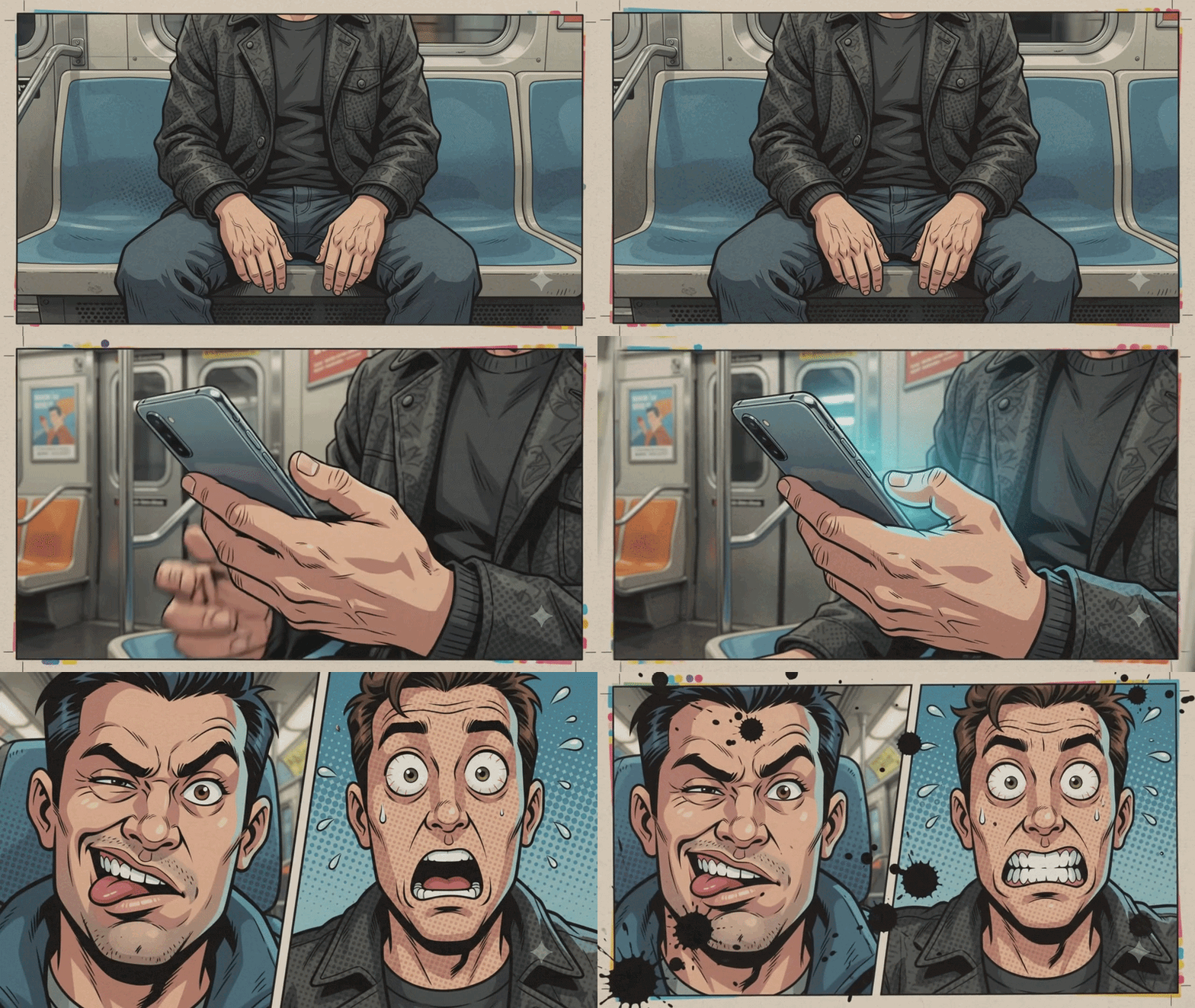
It has been found that a considerable number of people judge others’ personalities or tendencies based on their cellphone wallpaper. This trend is particularly pronounced among Millennials & Gen Z, who tend to view wallpapers as clues to understanding others.
Experiences of Judging Others by Their Wallpaper
According to a survey by Talker Research, the New York Post reported on the 16th (local time) that 1 in 7 Americans said they judge a person's character or tendencies based on their cellphone wallpaper. The survey involved 2,000 Americans.

33% of respondents from Generation Z (born in the mid-1990s to early 2000s) answered that they have judged a person based on their phone wallpaper.
원본보기 아이콘This tendency was especially strong among younger generations. Among the respondents from Generation Z (born in the mid-1990s to early 2000s), 33% said they had judged someone based on their phone wallpaper. For the millennial generation (born in the early 1980s to mid-1990s), 17% agreed.
"What Do People Use as Their Wallpaper?"
The survey also revealed the most common cellphone wallpapers used by Americans.
What is the Most Commonly Used Wallpaper?
10% of people simply use the “default wallpaper” provided by the phone manufacturer.
What Impression Does the Default Wallpaper Give?

Respondent A
"Not enough individuality"
"Does not try to express themselves"
"Practical and minimalistic"
"A person who does not unnecessarily decorate the screen"
Respondent B
"Sees their phone as a simple tool, not a means of expressing individuality"
"It means nothing at all"
The highest number of respondents said that people who use the default wallpaper give a positive impression of being practical and minimalistic.
56% Have Looked at Someone Else's Phone Screen in Public... Public Transportation Tops the List
Last April, Samsung Electronics and UK market research firm Censuswide conducted a survey of 11,000 cellphone users in 11 countries including the UK, France, and Germany. According to the results, 56% of respondents said they had unintentionally seen someone else's phone screen in a public place. Furthermore, 24% admitted having intentionally looked out of curiosity.

The most common place for seeing someone's phone screen was public transportation (57%), followed by while waiting in line (35%), and in restaurants or cafes (13%). When people happened to see someone else's screen, 28% said they “simply ignore it,” while 27% said they “immediately turned away.” In contrast, 7% admitted to continuing to stealthily observe.
There were also a significant number of people who felt conscious of others’ gazes in public places. 49% of respondents said they had felt someone was looking at their phone screen, and 42% said that in those cases, they stopped using their phone altogether.
-

Reporter Choi Young zero02@asiae.co.kr
-
Edit Bae Byoungmin wuhaha@asiae.co.kr
© The Asia Business Daily. All rights reserved. Unauthorized AI training and use prohibited.