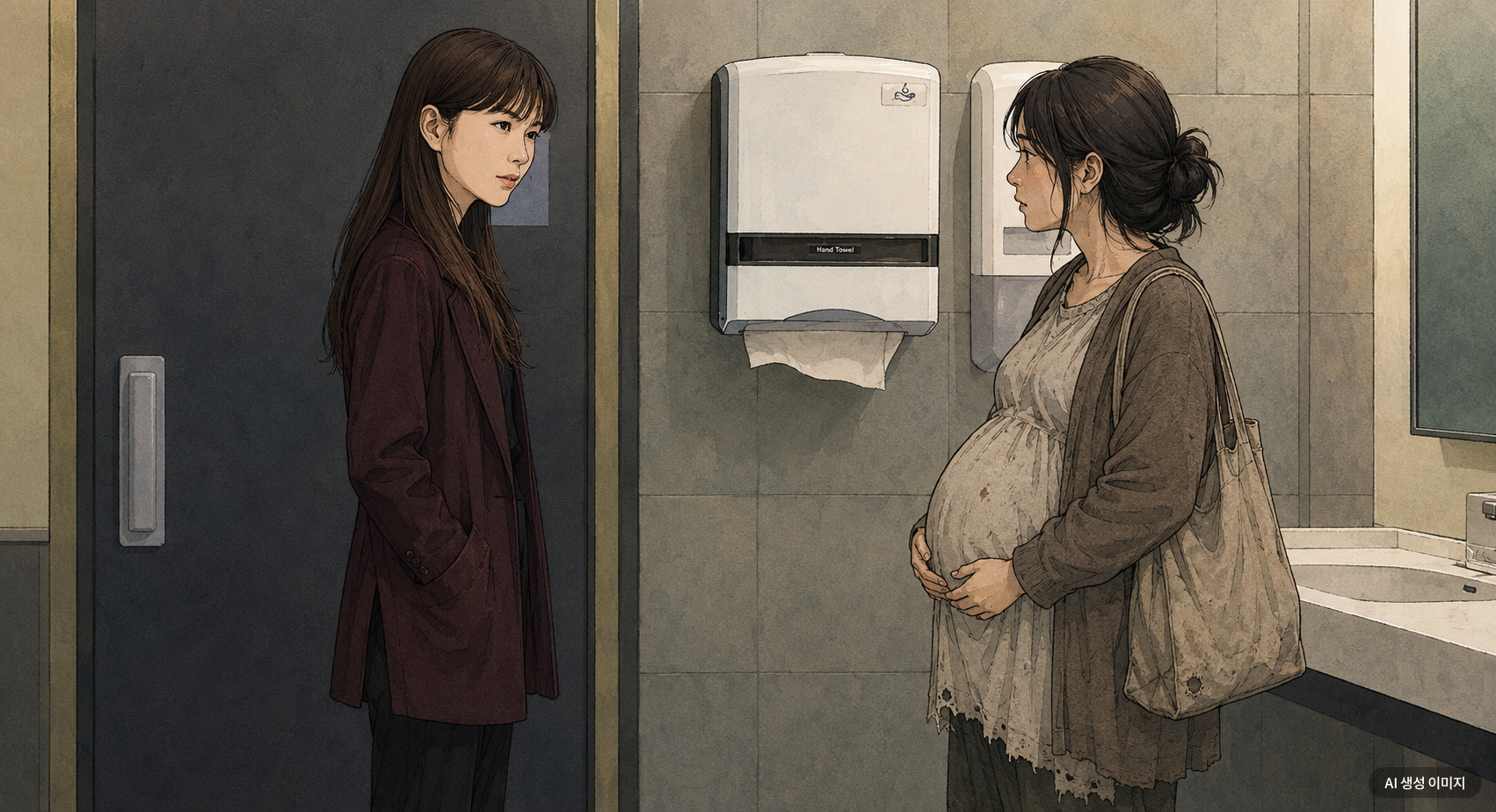
According to Yonhap News, a research team led by Dr. Gemma Sharp at the University of Exeter in the UK analyzed more than 230,000 parents and children in the UK and Norway, and published their findings in the international journal PLOS Medicine on the 23rd (local time). The research team stated, "Family socioeconomic position (SEP) showed a stronger and more consistent association with children's health than parental smoking, drinking, or caffeine consumption before, during, or after pregnancy."

University of Exeter Research Team Analyzes 230,000 Parents and Children
An international joint study has found that the family's socioeconomic environment has a greater impact on children's health than parental smoking or drinking during pregnancy.
According to Yonhap News, a research team led by Dr. Gemma Sharp at the University of Exeter in the UK analyzed more than 230,000 parents and children in the UK and Norway and published their paper in the international journal PLOS Medicine on the 23rd (local time). The research team stated, "Family socioeconomic position (SEP) showed a stronger and more consistent association with children's health than parental smoking, drinking, or caffeine consumption before, during, or after pregnancy."
The analysis was based on four large cohort studies that tracked children born in the UK and Norway between 1991 and 2008 and their parents. By integrating these datasets, the research team reviewed up to 232,139 individuals. They compared parental behaviors during pregnancy (smoking, drinking, and caffeine consumption), parents' education level, and occupations—factors reflecting socioeconomic status—with 72 different health indicators for the children, measured from birth up to age 11. These indicators included birth size, body mass index (BMI), mental health, behavioral issues, social communication, blood pressure, and incidence of allergies.
Impact of Socioeconomic Status: 15% vs. Smoking: 6%
Only 6% of child health indicators were statistically associated with parental smoking, 3% with alcohol consumption, and 0.4% with caffeine intake. In contrast, low family socioeconomic status was associated with 15% of the health measures, surpassing the three health behaviors combined.
The research team interpreted these results as indicating a need to recalibrate the focus of previous studies. While research based on the 'Developmental Origins of Health and Disease (DOHaD)' hypothesis has mainly concentrated on maternal health behaviors before and during pregnancy, they noted that such behaviors are often intertwined with socioeconomic environments, paternal behaviors, and postnatal circumstances.

"Poverty and Inequality Lead to Worse Child Health"
Dr. Sharp, who led the research, stated, "Socioeconomic vulnerability was more consistently associated with children's health outcomes than either parent's smoking, drinking, or caffeine consumption," and added, "The socioeconomic environment in which a child is raised appears to have a greater impact on health than specific parental behaviors during pregnancy."
However, some experts cautioned that these findings should not be interpreted as diminishing the importance of health management during pregnancy. Asma Khalil, a professor of maternal-fetal medicine at St George's Hospital, University of London, commented at the UK Science Media Centre (SMC) on the same day, "These results should not be taken to mean that maternal health behaviors during pregnancy are unimportant," adding, "Even in this study, the association between maternal smoking and low birth weight, increased childhood BMI, and behavioral issues was confirmed."
There were also suggestions that appropriate policy responses should follow these findings. Andrew Pollard, director of the Oxford Vaccine Group at the University of Oxford, cited child health reports published over the past three years by the UK Academy of Medical Sciences, the Institute for Fiscal Studies, and the Royal College of Paediatrics and Child Health, saying, "Poverty and inequality in society are leading to worsening health among children," and emphasized that "the focus should once again be on reducing inequality."

-
Reporter Kim Seungwook abc123@asiae.co.kr
-

Edit Eo Kangbi uhkb86@asiae.co.kr
© The Asia Business Daily. All rights reserved. Unauthorized AI training and use prohibited.







