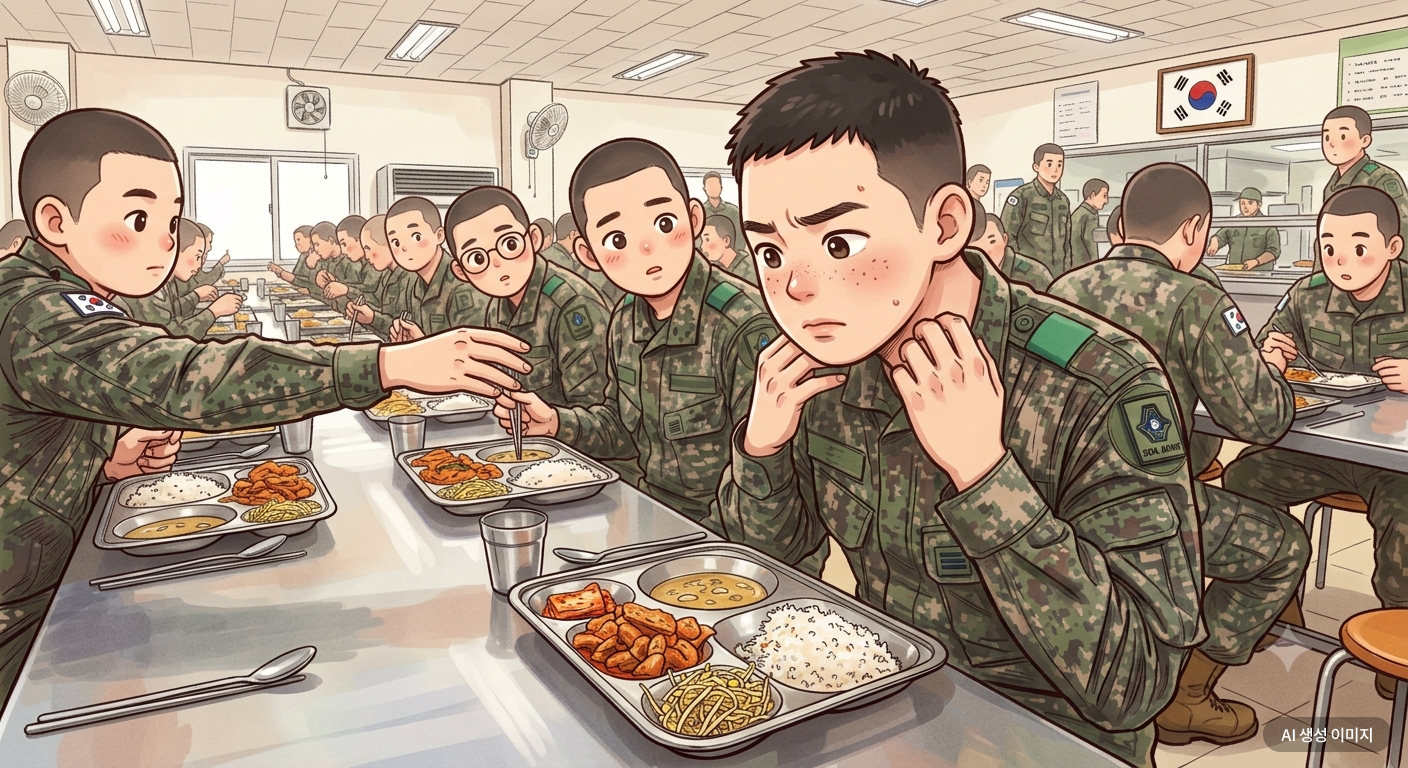
A recommendation has been made to strengthen institutional support for military personnel who find it difficult to use regular meal services due to food allergies, vegetarianism, or religious reasons. The idea is that military meal services should be considered an essential factor in ensuring service members’ right to health and their basic rights, and that relevant laws and meal guidelines should be revised accordingly.
On July 22, the National Human Rights Commission of Korea announced that it had recommended to the Minister of National Defense, the Chiefs of Staff of each military branch, the Commandant of the Marine Corps, and the head of the Military Manpower Administration to improve the military meal environment. The Commission has advised that the Ministry of National Defense and each military branch should consistently apply the obligation to indicate allergenic ingredients throughout meal operations, and that various alternative meal standards such as alternative side dishes, beverages, selectable main meals, and desserts should be established.

Trainees serving meals at the barracks dining hall of the Basic Military Training Battalion. Photo by Yonhap News Agency
원본보기 아이콘Cash support should be allowed only as an exception when the military meal system alone cannot provide adequate support. The Commission also called for systematic management of service members with needs related to vegetarian diets, religious meals, food allergies, or diet-related health restrictions, and for relevant support to be practically implemented in civilian-contracted meal services by revising operational and contractual standards.
The Ministry of National Defense has been advised to specify in the "Basic Act on Military Meals" or subordinate statutes the definition and scope of meal minorities and the state's duty of protection, and to reflect the need to protect the working conditions and human rights of meal minority service members in related directives. The Military Manpower Administration has been recommended to establish a standard for linking diet-related information collected during conscription and enlistment screenings to meal support at basic training centers and assigned units. It also recommended improving relevant questionnaires to reflect not only vegetarian status, but also the need for religious meals, the presence of food allergies, or health-related dietary restrictions.
This recommendation was made after reviewing the results of an actual condition survey on military meal environments in 2023, as well as materials submitted by the Ministry of National Defense, the Military Manpower Administration, and each military branch from 2024 up to February of this year. A Human Rights Commission official stated, “Unlike in civilian society, service members who reside on base cannot freely choose their meals or obtain alternative meals outside the base,” and emphasized, “Supporting meal minorities is not simply exceptional consideration for individual service members, but a basic rights guarantee issue that the military must manage institutionally.”

"Meals Are Also a Basic Right"
Comprehensive Proposal for Reform of the Military Meal System
A proposal has been presented to improve all aspects of military meal policy to guarantee the meal choices and basic rights of service members.
Lack of Meal Choice
The inability of service members to choose personal or religious meals has become an urgent issue for ensuring their right to health and basic rights.
Meals as a Basic Right
Support for meal minorities is defined not as a mere exception, but as a 'basic duty' that the military must fulfill.
What Will Change
for Military Diets?
Allergen Labeling
Information and labeling of allergenic ingredients will be significantly expanded.
Alternative Menu Options
A wider range of side dishes, beverages, and desserts will be available as alternatives to the main menu.
Special Dietary Support
Comprehensive new standards will be established for vegetarians and religious requirements.
The
3 Pillars of the Proposal
Guaranteeing Basic Rights
- Improving the environment for service members with no choice in meal options
- Growing need to guarantee basic rights for health and human rights
Broader Meal Choices
- Expanded allergenic ingredient labeling
- Providing alternative side dishes, beverages, and desserts
- New support standards for vegetarian and religious meals
Administrative and Legal Improvements
- Advance linkage of dietary information at conscription screening
- Recommendation to revise and improve the "Basic Act on Military Meals"
- Equivalent application to civilian-contracted meal facilities
"Supporting Meal Minorities Is
Not Exceptional Consideration, but a Basic Duty of the Military"
The transformation of the military meal system to ensure healthy nutrition and respect for the basic rights of all service members is just beginning.
Right to Meals as a Basic Right for All Service Members
-

Reporter Oh Jieun joy@asiae.co.kr
-
Edit Hong Jayeon hongzaa@asiae.co.kr
© The Asia Business Daily. All rights reserved. Unauthorized AI training and use prohibited.







