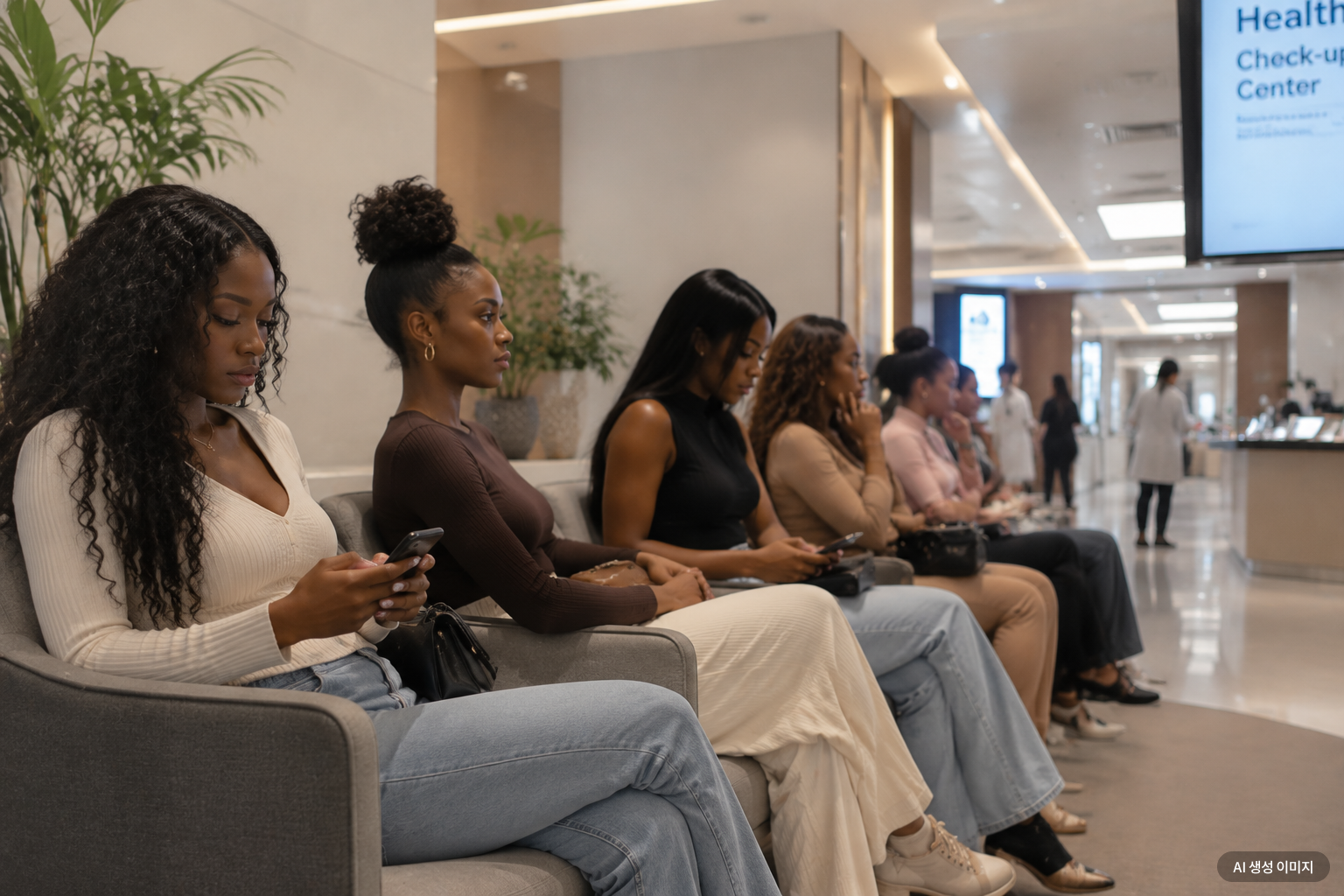
According to The Guardian in the UK on the 19th (local time), there has been a rapid increase recently in cases of African American women visiting Korea for comprehensive health checkups as well as gynecology, dermatology, and thyroid treatments.
Exhausted by the high barriers to medical access, implicit bias, and excessive costs in the United States, African American women are increasingly choosing to travel to Korea. The landscape of U.S. medical tourism, which was once limited to destinations like Mexico (for dental care), Canada (for prescription medications), and Turkey (for hair transplants), is now rapidly shifting—centered around Seoul's 'one-stop comprehensive checkup system.'
Choosing Seoul Out of Frustration With High Medical Costs and Racial Bias
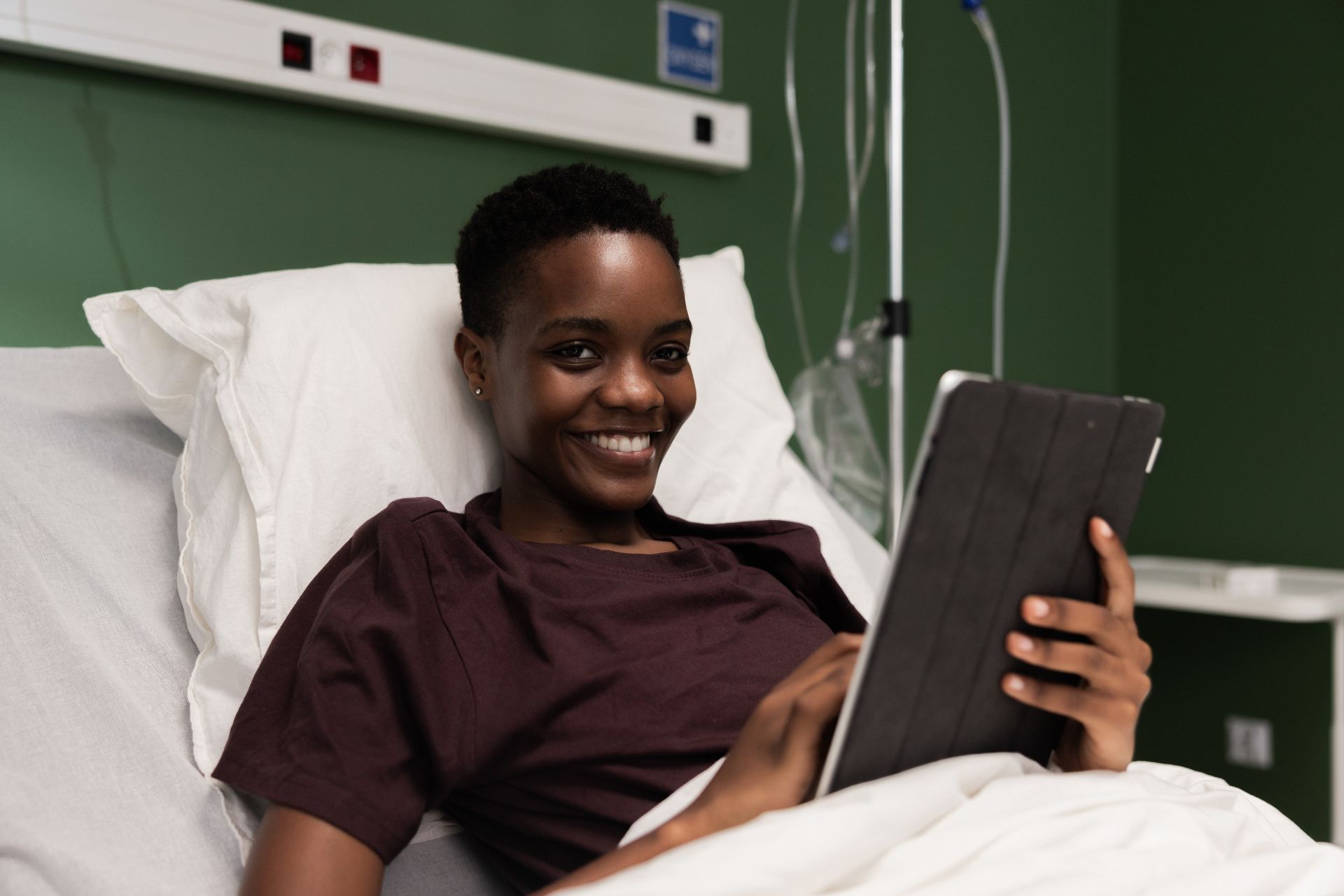
Structural healthcare inequality in the United States is compounded by the complexity of referral systems for specialists and high out-of-pocket costs, making it increasingly difficult for patients to get timely and precise diagnoses. As a result, some patients are actively considering Korean medical services to receive thorough explanations of their symptoms and comprehensive testing.
The preventive health platform HyMedi, which connects American patients with Korean medical institutions, stated, "In recent years, there has been a significant increase in inquiries about comprehensive health checkups from African American women. The demand is centered not on simple cosmetic procedures, but on precise diagnostics for areas with high diagnostic barriers, such as obstetrics, thyroid, and cardiovascular diseases."
A New Market Driven by Patient-Centered Service..."Empathy and Care Never Experienced Before"
Ajuah Agyapong (36), head of the nonprofit Verdant Earth, discovered a large uterine fibroid about 10 centimeters in diameter while undergoing a comprehensive health checkup at domestic medical institutions, including Seoul Mediwon Clinic, this past April. It cost her less than $600 (about 800,000 won). Although she received annual checkups in the United States, her serious illness was not previously detected. In Korea, however, it was identified through a same-day ultrasound and immediate MRI confirmation.

An image generated by artificial intelligence (AI) to aid in understanding the article. ChatGPT
원본보기 아이콘Agyapong was deeply moved, stating, "The medical staff were truly kind and thoughtful. It was a level of empathy and care I never experienced in the United States—an incredible difference." Elizabeth Ofuta (42), a brand strategist from New Jersey, and Fumi Ekato (35), a lawyer from Philadelphia, also expressed high satisfaction with the sensitive 'patient-centered care' of Korean medical professionals, who precisely considered their skin tone and condition—contrasting with the dismissal and prejudice they had previously faced at U.S. hospitals.
Efficient System Is Key Strength...More Than Threefold Increase in Three Years
This trend shows that the structural competitiveness of Korean healthcare is being recognized in the global market. While the U.S. health system focuses on high-cost treatment after disease occurs—centered on post-treatment—Korea has developed a highly advanced, preventive-centered system, based on government support and a corporate checkup culture, which aims for early detection.
The efficient infrastructure—enabling blood tests, cardiovascular and thyroid ultrasounds, cancer screenings, and specialist consultations all in a single day—gives Korean healthcare a unique competitive edge for American patients.

According to the Ministry of Health and Welfare, the number of foreign patients visiting Korea surged from about 610,000 in 2023 to 1.17 million in 2024. Last year, this number exceeded 2.01 million. In just three years, the number of patients has increased more than 3.3 times.
K-Healthcare Emerging as a Global Medical Hub
However, the Guardian pointed out that overseas medical tourism remains an option limited to those who can afford flight and lodging costs. For this reason, it cannot be a complete solution to the structural medical inequities faced by African American women in the United States.

Incheon International Airport Terminal 1 is bustling with domestic and international arrivals. Photo by Yonhap News.
원본보기 아이콘Even so, patients who have experienced Korean healthcare are expressing intentions to revisit for regular checkups, citing their high satisfaction. This is seen as a result of the overwhelming price competitiveness, speed, and patient-respecting services offered by K-healthcare.
It is now being evaluated that Korea's healthcare industry is moving beyond its previous focus on cosmetics and plastic surgery, securing a new growth engine in the comprehensive preventive medicine market, and reshaping the landscape of the global healthcare sector.
-
Reporter Seo Jiyeong zo2zo2zo2@asiae.co.kr
-
Edit Kim Hyunhee faith100@asiae.co.kr
© The Asia Business Daily. All rights reserved. Unauthorized AI training and use prohibited.







