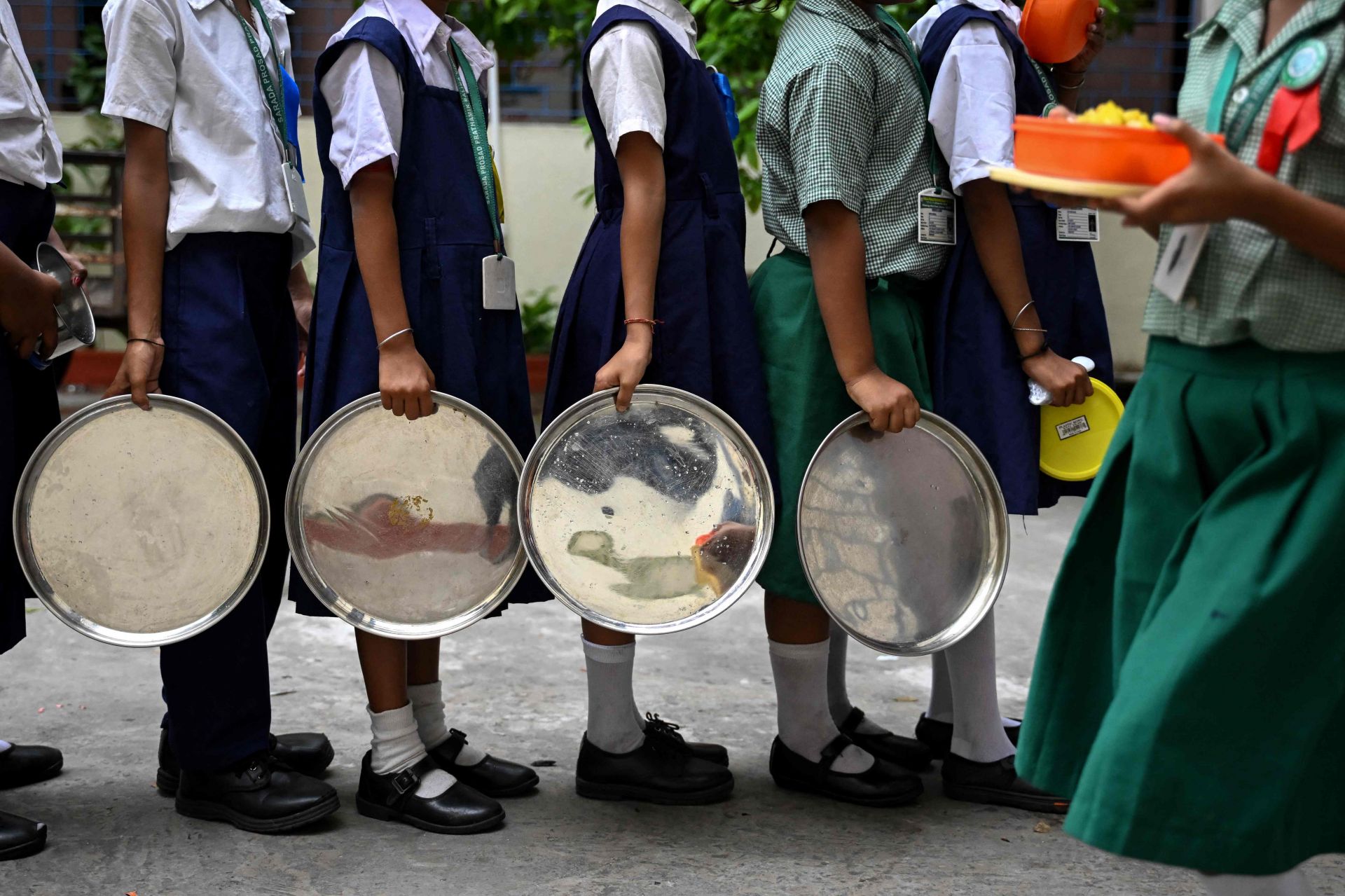

Eggs have vanished from school lunches in West Bengal, a state in eastern India. Last month, the state government changed its public school meal service provider to the International Society for Krishna Consciousness (ISKCON), a Hindu religious organization. Since ISKCON, which serves only vegetarian meals, took charge of the lunch program, the once-weekly supply of eggs has been replaced by plant-based foods. Since this change came just two months after the ruling party shifted, controversy has intensified over whether the government is forcing vegetarianism on students.


In India, eggs are a sensitive food intertwined with religion and politics. Due to the influence of Hindu culture, which considers cows sacred and avoids consuming animal carcasses, eggs are also classified as a non-vegetarian food, similar to meat. While about 30% of India's population is known to be vegetarian, in reality, a significant number of Hindus do eat meat, fish, and eggs. Nevertheless, the Bharatiya Janata Party (BJP), led by Prime Minister Narendra Modi, has consistently promoted a vegetarian lifestyle as part of its Hindu nationalist agenda.


West Bengal is known as a region where meat consumption is especially strong even within India. There is even a saying, “Fish and rice make a Bengali,” reflecting how closely fish and eggs are tied to regional identity. During the April elections, then-Chief Minister Mamata Banerjee asserted that “if the BJP takes power, fish, meat, and eggs will be banned.” BJP candidates campaigned with fish in hand, and after winning, they held a “fish festival” to refute those claims and emphasize their respect for local culture. However, with eggs actually removed from school meals, that political debate has been reignited.

There Was a Higher Rate of Student Attendance
At schools, there are worries that attendance rates could drop, since students are motivated to come to school for their meals. A teacher at a public school said, “On days when eggs were served, large numbers of students would attend.” In southern Karnataka, after the number of days eggs were served increased to six days a week last year, the student attendance rate rose from 93.5% to 98.97%. Nutrition experts also warn that students from low-income families, who depend on school meals, could face problems with growth and health if they lose access to eggs, which are a high-quality protein source.


The state government and ISKCON maintain that they can provide all the necessary nutrients without eggs. ISKCON representatives explained that other proteins and vitamins could replace the nutritional value of eggs, and the state’s education minister emphasized, “Many people live healthily on a vegetarian diet.” However, critics continue to argue that the removal of eggs was motivated more by religious beliefs and political interests than by nutritional considerations for the students. Eventually, the High Court ordered the state government to clarify why ISKCON was selected as the meal provider and what the reasoning was for excluding eggs.

An Egg at the Center of Controversy
"If the BJP Takes Power, Fish and Eggs Will Be Banned"
Then-Chief Minister Mamata Banerjee claimed that the BJP would threaten the food culture of West Bengal.
Candidates Appeared with Fish
BJP candidates campaigned while holding fish, denied any plans for a ban, and stressed respect for local culture.
BJP Wins West Bengal State Assembly Election
BJP won the West Bengal state assembly election for the first time and took control of the state government.
A Vegetarian Religious Organization Takes Over School Meals
The state government switched the lunch provider to ISKCON, which offers only vegetarian meals.
The Once-a-Week Egg Disappeared
Eggs were replaced with plant-based foods, fueling controversy over "forced vegetarianism" and raising concerns about student nutrition.
The Dispute Has Reached the Courts
The High Court has ordered the state government to state its reasons for choosing ISKCON as the meal provider and for excluding eggs.