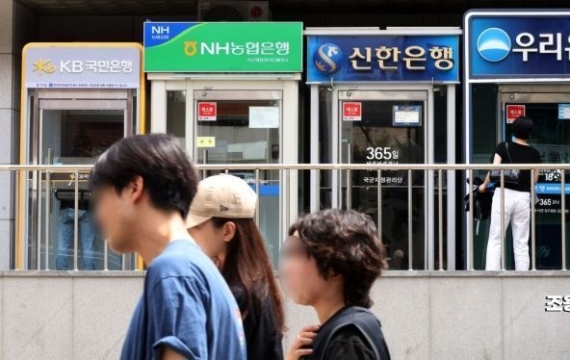
Global Traffic Safety Model 'Korean Subway Screen Door'
99% Installation Rate... Three Consecutive Years of Zero Fatalities or Injuries

According to the Seoul Metropolitan Government, the number of subway accident fatalities in Seoul shows a clear divide before and after the installation of platform screen doors. From 2001 to 2009, before the systems were introduced, there was an annual average of 37.1 deaths, but from 2010 to 2024 that figure plummeted to just 0.4 deaths per year, and last year there were no fatalities at all.
Currently, screen doors have been installed at all 345 Seoul subway stations, including Line 9 and the Ui-Sinseol Line, with the installation rate standing at 99% as of 2026.
From the Introduction of Screen Doors to Today
An essential infrastructure not only for passenger safety but also for reducing in-station noise and cooling costs
Hoehyeon Station Accident
A passenger fell onto the tracks, triggering a disaster. This led to demands for safety measures and the full-scale push for screen door installation.
First Domestic Installation
Korea's first screen doors installed at Gwangju Line 1's Culture Center (Munhwajeondang) Station and Geumnamno 4-ga Station, creating the starting point for nationwide adoption.
First Installation in Seoul
The system was first installed at Sadang Station in the metropolitan area, launching the spread of screen doors throughout Seoul.
262 Stations Completed
262 stations under the Seoul Metropolitan Government were completed, one year ahead of the original goal.
Sharp Decrease in Fatalities
After implementation, the annual average number of deaths from railway-related accidents dropped dramatically.
Zero Casualties Three Years in a Row
For three consecutive years, there have been no fatalities or injuries from suicides, accidental falls, or train contact accidents on the tracks.
99% Installation Rate
All 345 stations, including Line 9 and the Ui-Sinseol Line, now have screen doors, completing coverage of all lines.
Environmental and Economic Gains
Platform noise reduced by 7.9%. Daily cooling electricity costs in stations have decreased by 30%.
Painful accidents were the driving force behind the adoption of platform screen doors in Korea. In June 2003, at Hoehyeon Station on Seoul Subway Line 4, a homeless man pushed a passenger onto the tracks and caused a fatality, fueling intense demands for enhanced safety facilities. Screen doors were first introduced at Munhwajeondang and Geumnamno 4-ga stations on Gwangju Metro Line 1 in 2004, and quickly spread to metro and metropolitan rail networks across the country.
In Seoul, the first installation was completed at Sadang Station at the end of 2005. By the end of 2009, all 262 subway stations managed by Seoul Metropolitan Government had screen doors, completing the project one year ahead of the original 2010 target.

The physical separation between the platform and the railway tracks has significantly reduced the likelihood of passengers falling onto or being pushed onto the tracks. In particular, since 2023, there has been a record of zero fatalities and injuries from suicide attempts, accidental falls, or train contact for three consecutive years.
The installation of platform screen doors has brought substantial additional benefits beyond safety. After installation, perceived platform noise decreased by approximately 7.9% (from 78.3dB to 72.1dB), while cooling electricity costs dropped from 600 million won per day to 425 million won per day, a reduction of about 30%. During the peak summer three-month period, this results in total savings of around 16.7 billion won.
Fear of 'Subway Pushing Crimes' in New York Subway
Korean Screen Doors in the Spotlight

New York subway station. The photo is not related to the specific content of the article. Pixabay
원본보기 아이콘As subway pushing crimes, where passengers are pushed onto the tracks, continue to occur on the New York City subway, Korea's screen door system is drawing renewed attention.
"After the New York subway pushing incident, Korea's screen door technology is
becoming a hot topic in overseas transportation systems."
- Local media report

On the New York subway, there are frequent cases of passengers being pushed onto the tracks at stations without screen doors, prompting the need for caution among riders. In 2024, a man in his twenties pushed a man in his forties onto the tracks at a subway station in the Chelsea district of Manhattan, New York. The victim survived but suffered severe injuries, including a skull fracture.

Passengers at a New York City subway station in the United States are pressing their backs tightly against the platform wall while waiting for the train to avoid indiscriminate pushing crimes known as subway pushing. X
원본보기 아이콘In January 2022, at a subway station near Times Square in New York, a man in his sixties pushed an Asian woman onto the tracks, resulting in her death. On social media, a photo gained attention showing New York subway passengers waiting for trains pressed flat against the platform wall.
Korea's screen door system is now being exported to Malaysia, China, Brazil, and other countries, and is recognized as a global model for transportation safety standards.
-

Reporter Choi Young zero02@asiae.co.kr
-
Edit Oh Hyunyoung hyun05@asiae.co.kr
© The Asia Business Daily. All rights reserved. Unauthorized AI training and use prohibited.