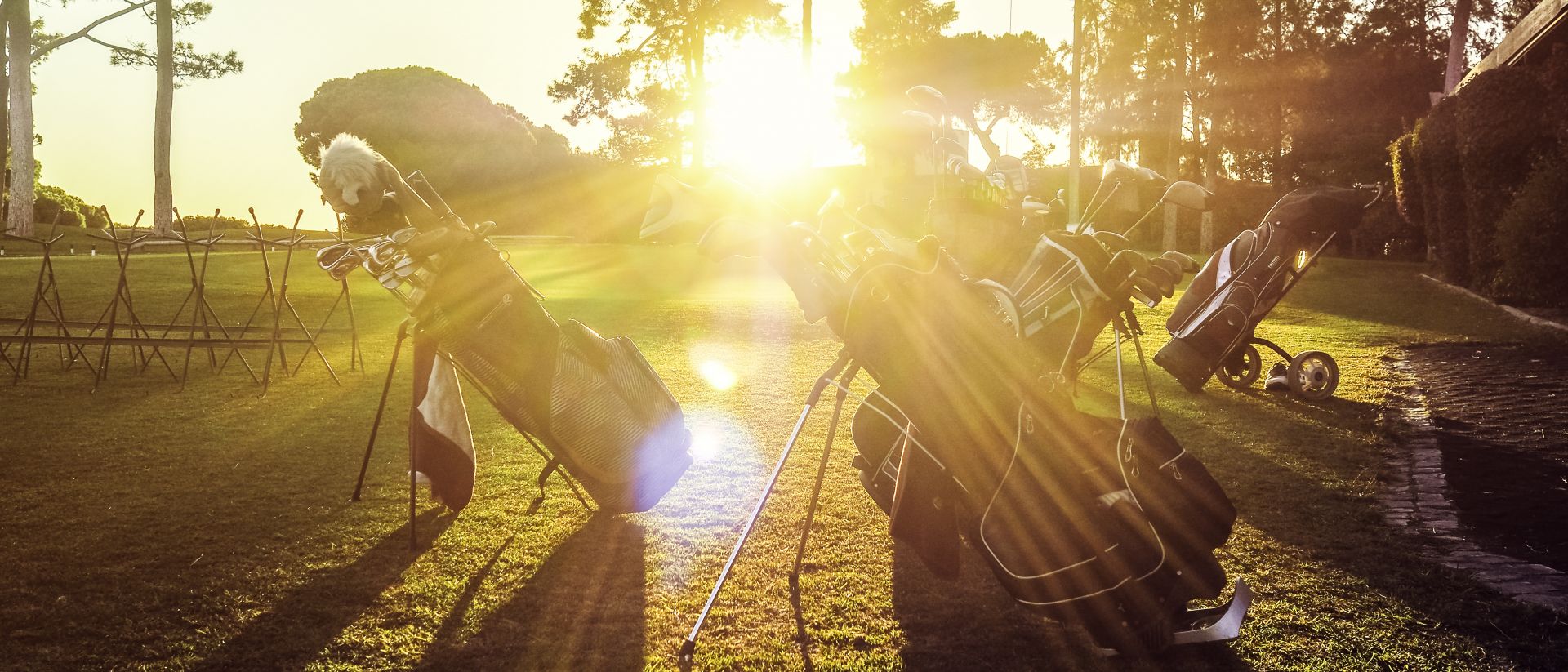
With soaring green fees and caddie fees, coupled with the heat wave, golfers are increasingly heading for night rounds. Nighttime rounds, which reduce the cost burden and help avoid the sweltering heat, are emerging as a new golf consumption trend in this era of high costs.
As of May 2026, according to the Korea Leisure Industry Research Institute, there are 250 golf courses in Korea operating at night. Excluding military golf courses, this accounts for 47.3% of all golf courses (529 in total). This is an increase of 24 compared to last year, and 84 more than in 2021.
The main background for the spread of night golf is the rising cost of golf. In the Seoul metropolitan area, a single round including green fees, cart fees, and caddie fees typically costs 400,000 to 500,000 won. After COVID-19, golf courses have continuously raised usage fees, increasing the financial burden. Among public golf courses, which receive government tax benefits, weekday green fees have risen to 270,000 won and weekend fees to as high as 360,000 won at some locations.
Night Operations: More Than Half of Public Golf Courses
Membership courses remain in the 30% rangeGolf courses are also actively expanding night operations to meet growing demand. They can generate additional revenue by utilizing existing facilities and can also expect the benefit of dispersing usage. In fact, more than half of public golf courses now operate at night. Out of 263 public golf courses with 18 holes or more, 134 (51.0%) operate at night, and among 113 9-hole public courses, 60 (53.6%) offer night operations. In contrast, only 56 out of 154 membership golf courses (36.4%) operate at night.
The reason membership clubs are more reluctant to offer night operations is the increased burden of course maintenance. There are concerns about turf damage and significant challenges in managing manpower. Large corporate-affiliated, public, and select-member-focused membership courses often forgo night operations to maintain course quality.
By region, night operations are concentrated in the Seoul Metropolitan Area, where golf demand is high. There are 81 night-operating golf courses in the Seoul Metropolitan Area, accounting for 32.4% of the national total. This is attributed to the steady growth in demand to save on high fees, given the relative shortage of supply.
6 out of 10 Night Golf Courses Offer No-Caddie or Caddie Option
Caddie fees are also lowerIn this way, night-operating golf courses are also strengthening strategies to reduce the cost burden through their pricing and operating methods. Among public golf courses operating at night, 118 offer no-caddie or caddie option systems. This accounts for 31.6% of all public golf courses and 60.5% of night-operating courses.
For example, as of July, at Bellastone CC in Hoengseong, Gangwon Province, daytime (2nd) green fees are 129,000 won on weekdays and 169,000 won on weekends, while nighttime (3rd) fees are 99,000 won and 139,000 won, respectively. Caddie fees also drop from 160,000 won per team during the day to 100,000 won for a marshal caddie at night. With four players, this saves about 42,500 won per person.
Seo Cheonbeom, director of the Korea Leisure Industry Research Institute, said, "As the high-cost structure persists and extreme heat and tropical nights become the norm, demand for night rounds will continue to increase. Golf courses are also likely to keep expanding night operations for the foreseeable future."