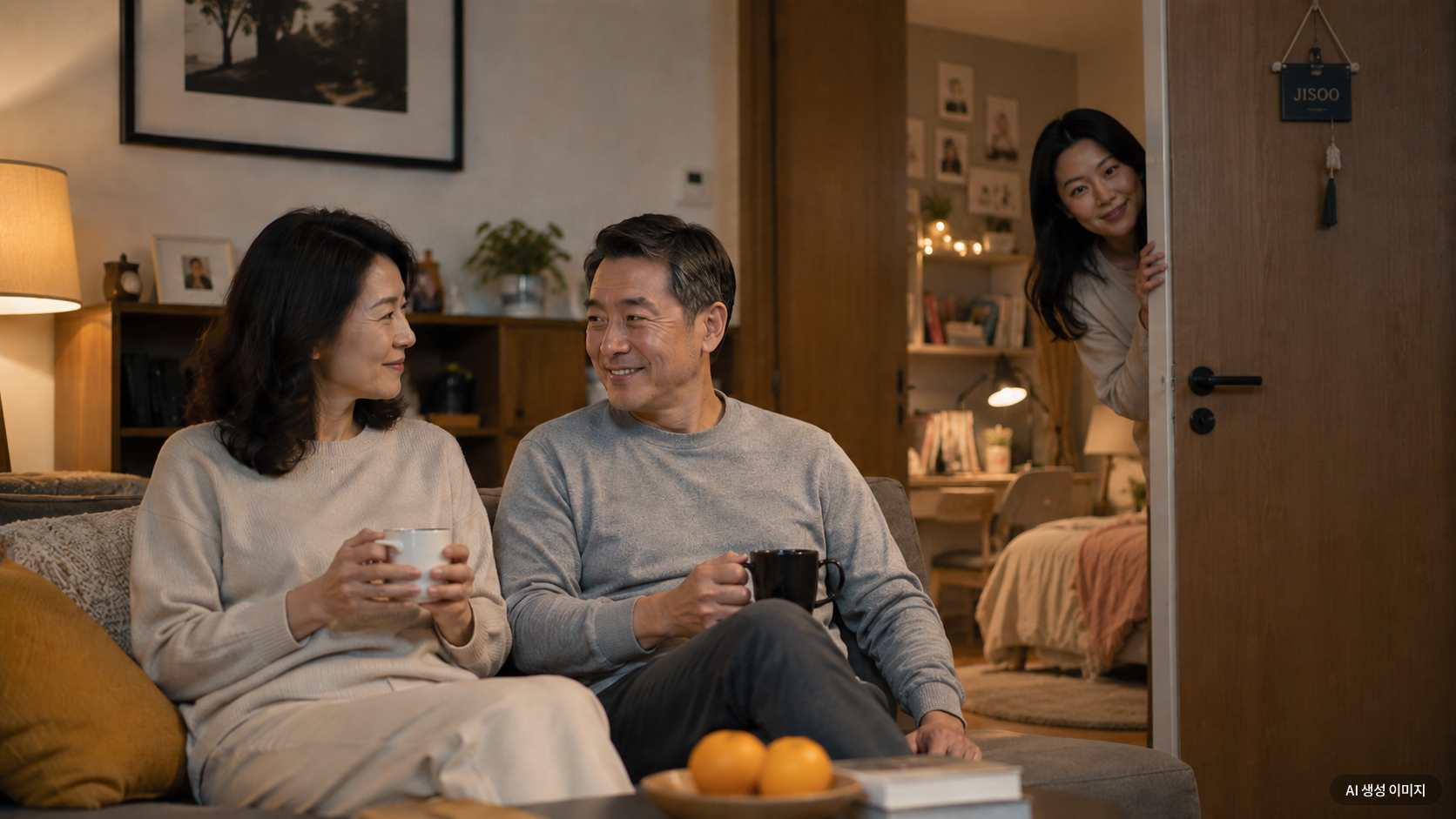

The number of young Americans living with their parents has increased significantly, and there is a growing trend of viewing cohabitation with parents not as a “failure to become independent,” but rather as an “economically rational choice.”
According to the latest Survey of Household Economics and Decisionmaking by the U.S. Federal Reserve, 49% of adults under the age of 30 said they lived with their parents last year. This figure is up 12 percentage points from 2019. About one-third of them were aged 25 or older.
‘Failure to Become Independent’ Is Outdated... Soaring Housing Costs Delay Young Adults’ Independence
The Wall Street Journal (WSJ) analyzed that, due to soaring home prices and rents, as well as the burden of student loans, the timing of independence for young Americans has been delayed, making living with parents a natural choice.
WSJ reported, “Living at home with parents was once considered a sign of failed independence and a source of embarrassment, but that is no longer the case,” adding, “It is now regarded as a financially wise decision, and for some, it has even become a long-term lifestyle.”

In a survey conducted this spring by financial services company Thrivent, about 55% of young Americans who returned to their parents’ homes cited economic reasons as the main factor. Rather than hiding this fact, some now introduce themselves as a “stay-at-home daughter” or “stay-at-home son,” sharing their daily lives on social media.
WSJ also reported that many young people who returned home during the COVID-19 pandemic have ended up staying with their parents longer than expected due to continued inflation and surging rents after the pandemic.
Lawrence Steinberg, a professor of psychology at Temple University, stated, “Living with parents has become the most common housing arrangement for Americans in this age group.”
This change is also affecting the structure of housing and related regulations in the United States. Recently, some states have relaxed regulations to make it easier to build accessory dwelling units (ADUs) as detached structures on parents’ property, and home builders are increasing the supply of multi-generational homes that can accommodate adult children or parents living together.
Kevin Grolig, a real estate agent in the Washington, DC metropolitan area, reported, “There are more cases where clients are delaying downsizing and moving because their adult children continue to live with them.”
Not Just an American Story... More Than Half of Young Adults Cohabit with Parents

Full-time children responsible for household chores such as cleaning, cooking, and caregiving.
원본보기 아이콘Meanwhile, this trend is also appearing in Korea. A combination of soaring home prices and rental deposit costs, difficulties finding employment, and the burden of living expenses is causing young adults to delay independence overall. According to the Office for Government Policy Coordination’s “2024 Youth Life Survey,” 54.4% of young people aged 19 to 34 live with their parents, and 56.6% of those cohabiting with parents said economic reasons were the main barrier to living independently.
Recently, the new term “full-time children” has emerged, referring to children who live with their parents and take on household chores such as cleaning, cooking, and caregiving. The perception that living with parents is not a failure to become independent, but rather a practical lifestyle in which family members share roles, is increasingly spreading.
-

Reporter Choi Young zero02@asiae.co.kr
-
Edit Kong Sumin hyunhj@asiae.co.kr
© The Asia Business Daily. All rights reserved. Unauthorized AI training and use prohibited.