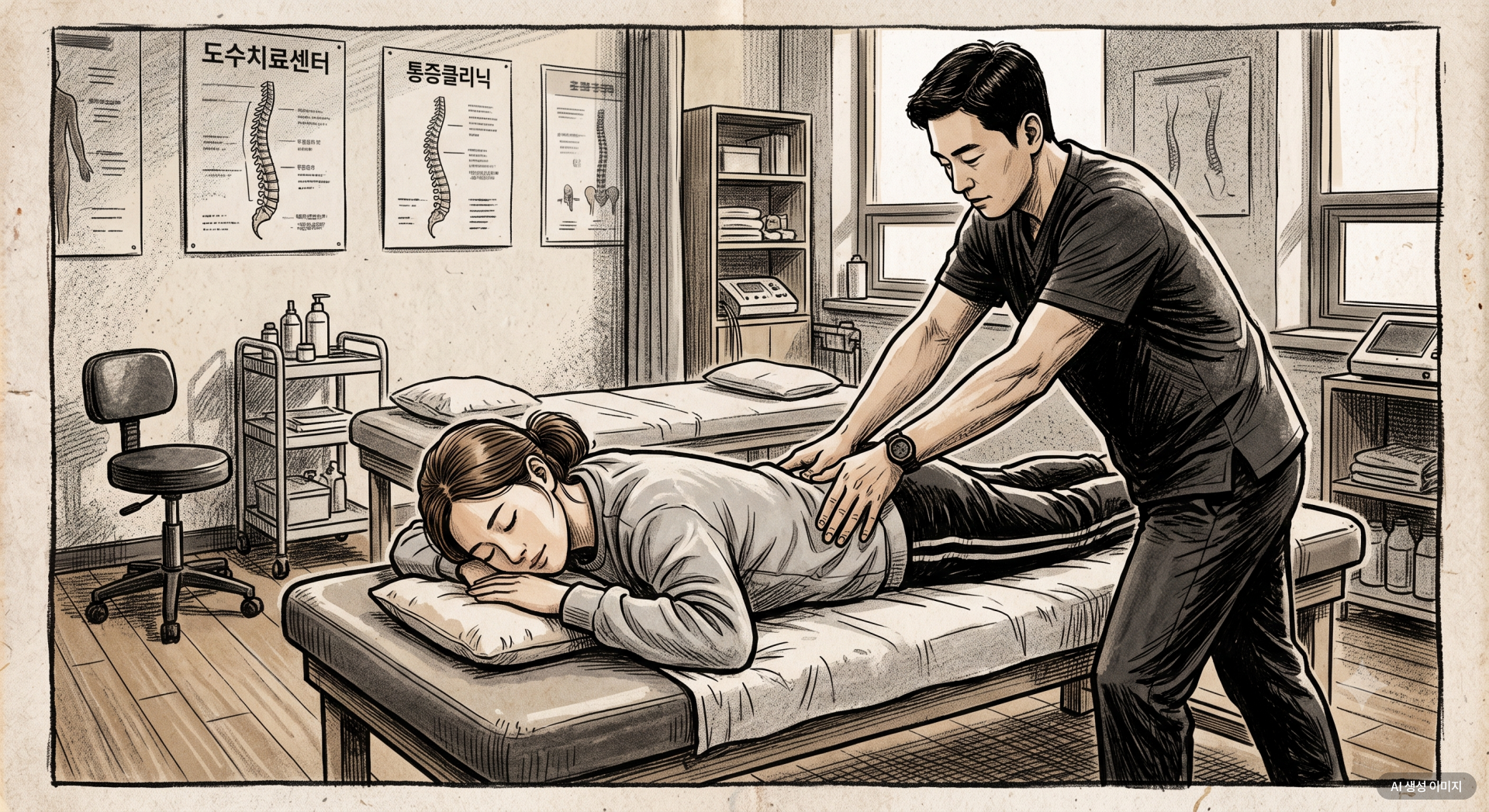
First Application of Managed Care Benefits... Unified Price at 43,850 KRW per Session
Manual therapy, which until now had widely varying prices depending on the hospital, will from this month be managed under a unified pricing system nationwide. The government has included manual therapy—a representative non-covered service often criticized for overtreatment—under "managed care benefits" for the first time, aiming to alleviate the financial burden of medical expenses and to strengthen oversight of non-covered services.

Wide Variation in Physical Therapy Costs by Hospital, Nationwide Uniform Standard Applied
Patient Co-payment Rate at 95%... Recognized up to Twice a Week and 15 Sessions per Year
Price, Frequency, and Treatment Standards All Managed... Preventing Over-treatment
At Least 2 Weeks of Basic Physical Therapy Required Before Applying Managed Care Benefits
The Ministry of Health and Welfare announced that the managed care benefit system for manual therapy will be implemented starting July 1. Under this new policy, manual therapy will be provided at a uniform price of 43,850 won per session at all medical institutions nationwide. Of this amount, patients will be responsible for 95% as a co-payment.
Until now, manual therapy was a non-covered service under the national health insurance system, resulting in significant price differences across medical institutions. The average cost per session was about 110,000 won, but depending on the provider, prices ranged from tens of thousands to several hundred thousand won per session. The government explained that while some therapeutic effects are acknowledged, manual therapy is largely selective and supplementary in nature, making it susceptible to misuse and overuse. For this reason, appropriate pricing and treatment standards have been established.
This introduction of managed care benefits was promoted by creating a new benefit type within the health insurance selective benefit system. For non-covered services that can lead to systemic distortions or patient safety concerns, the government establishes and manages both pricing and treatment standards. Starting with manual therapy, the Ministry of Health and Welfare also plans to expand the managed care benefit system to other procedures such as "percutaneous epidural neuroplasty" and "radiation hyperthermia therapy" in the future.

The number of sessions for manual therapy under managed care benefits is also limited. Patients can receive coverage for up to two sessions per week, with a maximum of 15 sessions per year. In cases of significant joint contracture or rigidity due to surgery or fractures, doctors may exceptionally approve up to 24 sessions per year. In addition, even if a patient receives manual therapy at multiple medical institutions on the same day, only one session per day is recognized under the system.
Furthermore, managed care benefits for manual therapy are only recognized for musculoskeletal disorders accompanied by persistent pain and functional impairment, such as lower back pain, spinal stenosis, or joint contracture. Manual therapy performed for personal needs like fatigue recovery or posture correction will not be covered by national health insurance or indemnity insurance and must be paid entirely out-of-pocket by the patient.
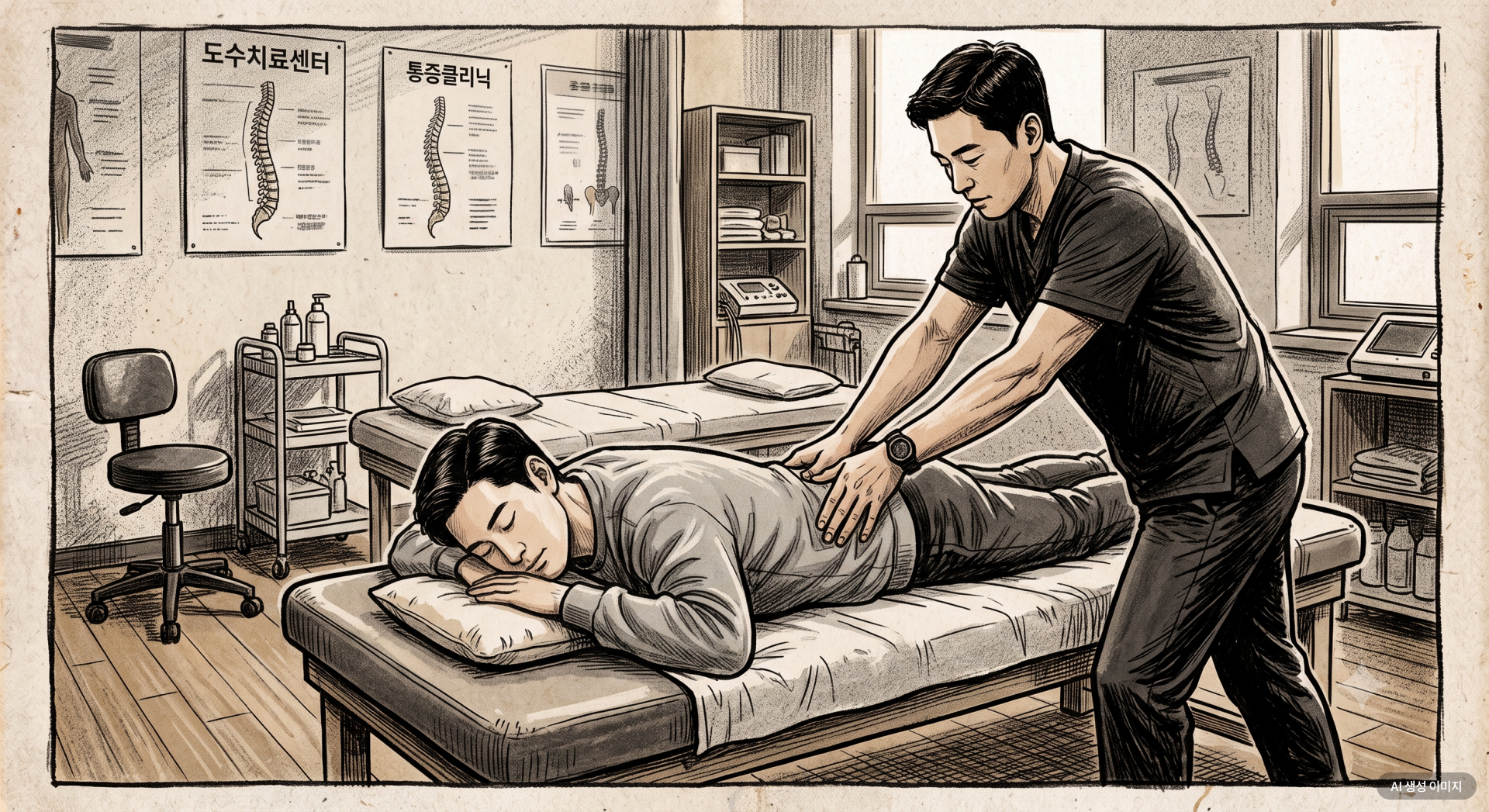
Only recognized for musculoskeletal disorders such as lower back pain and joint contracture
Only one session per day recognized even if multiple hospitals are visited on the same day
Not covered for purposes such as fatigue recovery and posture correction
Treatment history is managed in real-time through the Health Insurance Review and Assessment Service system
Government expects strengthened non-reimbursement management and reduced medical cost burden
The government has also put in place management mechanisms to prevent overtreatment. Before manual therapy can be conducted under the managed care benefit, patients must first undergo at least two weeks and more than four sessions of basic physical therapy or simple rehabilitation therapy. In addition, evaluations of treatment effectiveness and recordkeeping are mandatory. Medical institutions are required to use the Health Insurance Review and Assessment Service's "Manual Therapy Management System" to verify patients' treatment histories and transmit medical information in real time in order to claim managed care benefits.
Through this new system, the Ministry of Health and Welfare expects that the previously inconsistent prices for manual therapy across medical institutions will be stabilized and that unnecessary overtreatment will be prevented, thereby ensuring the financial soundness of the national health insurance system. The ministry also plans to evaluate the effectiveness of the system every three years, analyze changes in utilization and financial impact, and refine the scope and standards of managed care benefits as needed.
Minister of Health and Welfare Jeong Eun-kyeong stated, "The introduction of managed care benefits is an essential measure to prevent indiscriminate overtreatment, reduce the financial burden on patients, and strengthen the management system for non-covered services. We will continue to communicate and cooperate with the medical community to ensure the stable implementation of this system in practice."







