

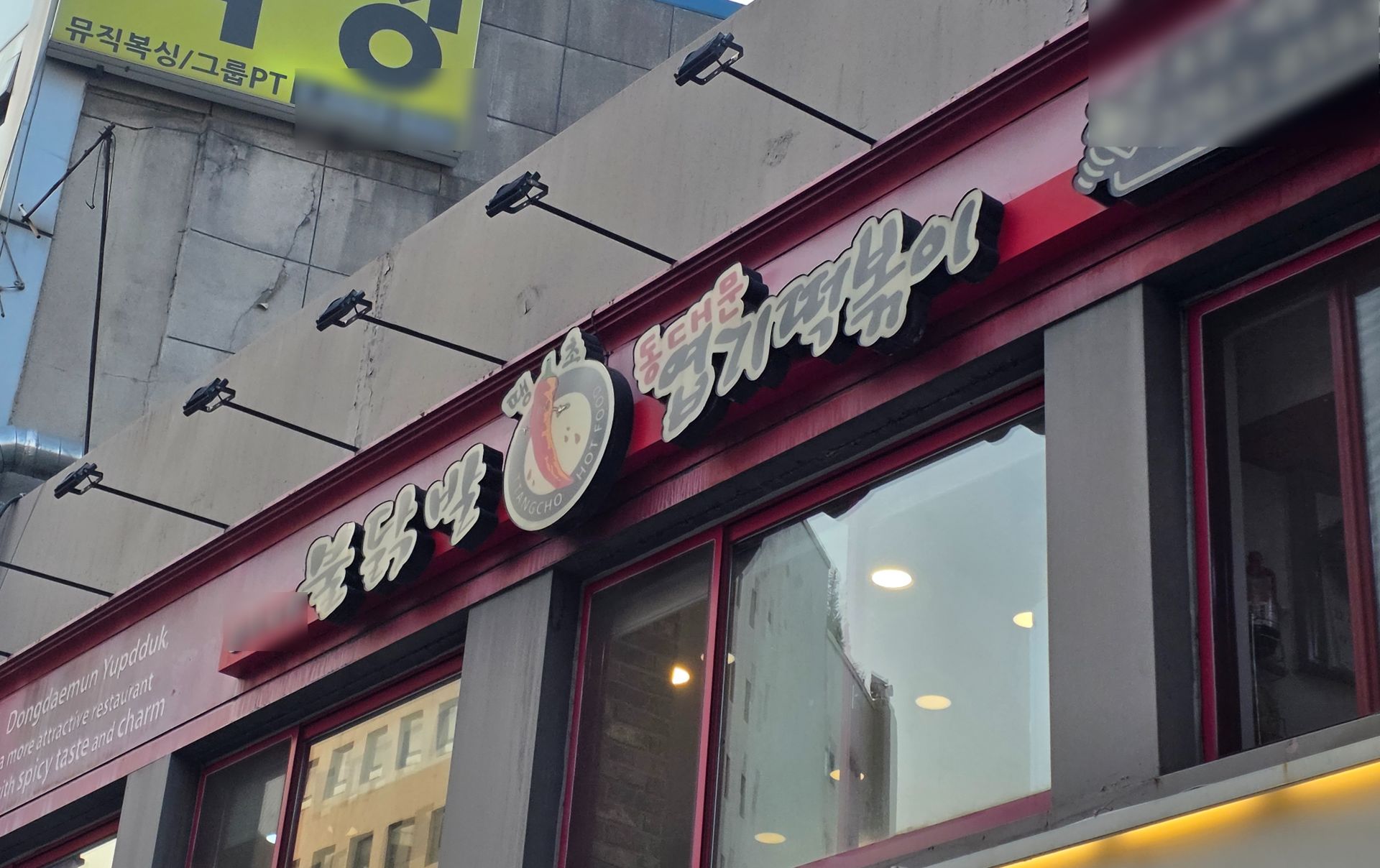
Dongdaemun Yeopgi Tteokbokki, one of the tteokbokki franchises, announced that it will raise the prices of all products by an average of 7% starting July next year, while freezing consumer sales prices and franchisee ingredient supply prices for at least the next 8 years.
Lotte Chilsung Beverage, First Price Increase in the Food and Beverage Industry
"The price of aluminum has soared, and the cost of bottle caps has now tripled. On top of that, the company that supplies the plastic wrap for the caps has suspended production because it can no longer source raw materials, making procurement nearly impossible." (Executive A at a mid-sized domestic food company)
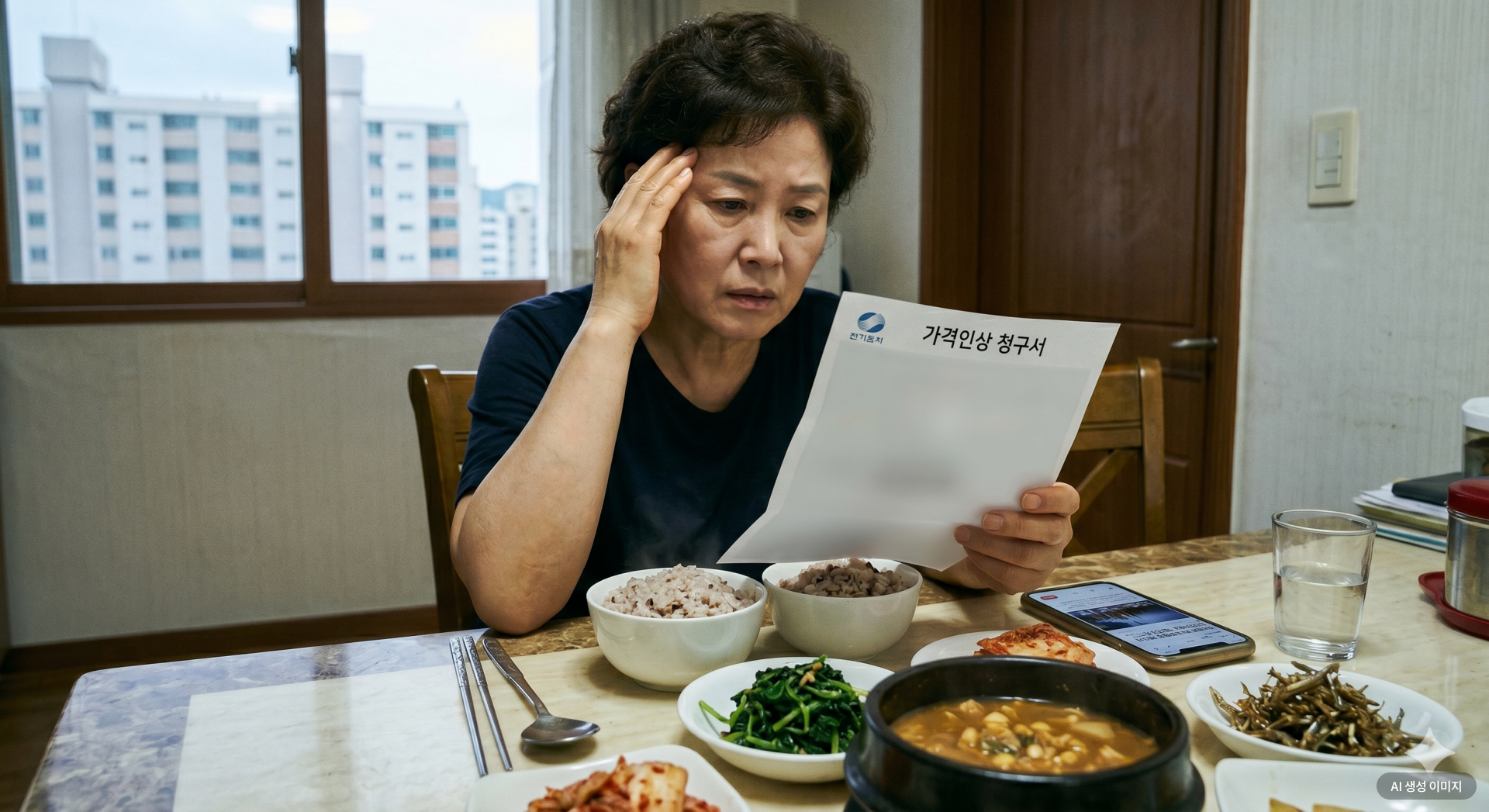
The aftermath of the Middle East war is shaking up the Korean dining table. Although the United States and Iran have begun peace procedures, the war, which lasted for more than 100 days, has pushed up the price of packaging materials made from petroleum, thereby putting pressure on food prices. Since the launch of the Lee Jaemyung administration, domestic food companies had been trying to align with the government’s price stabilization policy, but now, unable to withstand deteriorating profitability, they have started to raise prices. With global forecasts of record-breaking heatwaves in the second half of this year, international food prices are also expected to surge, raising concerns that inflation could accelerate even further.
According to the retail industry on June 24, Lotte Chilsung Beverage will increase the prices of 44 products across 12 brands, including its flagship product "Chilsung Cider," by an average of 5.3% starting at the end of this month. This is effectively the first price increase in the food and beverage sector since the launch of the Lee Jaemyung administration. The company explained that the nature of the beverage industry, where packaging accounts for about half of total raw material costs, played a significant role in this price adjustment.
Aluminum and Naphtha Packaging Material Prices Surge
In fact, aluminum prices have soared by 50%, climbing from $2,440 per ton on the London Metal Exchange in May of last year to $3,670 per ton last month, due to reduced production caused by U.S. government tariffs and this year's Middle East war. Plastic prices have also jumped sharply, rising 68% from $568.6 per ton in May of last year to $957.7 per ton last month, due to unstable supplies of naphtha, a key raw material.
With the Middle East war now over, the supply of raw materials has eased, but the cost burden in the first half of the year severely damaged profitability, prompting companies to try to recover annual performance through price increases.
Especially with the continued high exchange rate, there are expectations that price hikes will continue in the food and beverage sector in the second half of this year. According to the Bank of Korea and industry sources, the average KRW-USD exchange rate in the second quarter of this year was 1,490.98 won, the highest since the first quarter of 1998, right after the financial crisis. A high-ranking executive at a food company said, "Due to the government’s strong price controls, companies have been hesitant to raise prices, even if they wanted to. Now that Lotte Chilsung has taken the lead, other companies may also raise product prices. Our company is already reviewing price increases."
President Lee Jaemyung's Approval Rating Drops... Will Processed Foods Also See Domino Price Hikes?
Recently, President Lee Jaemyung's approval rating fell into the 40% range for the first time since his inauguration, which has also reduced the burden of raising processed food prices. Since its launch, the Lee Jaemyung administration has encouraged price cuts in the food and beverage industry through large-scale collusion investigations by the Fair Trade Commission (FTC) and the prosecution.
When President Lee remarked at the Emergency Economic Task Force meeting in June last year, "Is it true that a single packet of ramen costs 2,000 won?"—a warning to the food industry about price increases—the Fair Trade Commission conducted comprehensive collusion investigations from the raw material market (including flour, sugar, and starch syrup) to the finished product market (including snacks and ramen). As a result, food companies voluntarily lowered their shipment prices, leading to price reductions for related consumer goods such as snacks, ramen, bread, and ice cream.
In fact, from January this year, companies such as Lotte Wellfood, Haitai Confectionery, Orion, Binggrae, Samlip, Nongshim, Samyang Foods, Ottogi, Paldo, CJ CheilJedang, and Daesang have reduced the prices of some products—including snacks, bread, ice cream, flour, and sugar—by up to 13%.
However, as the exchange rate remains high and global commodity price volatility increases, the government’s pressure appears to be losing effectiveness. Industry insiders have voiced complaints, saying, "Production costs have risen to the point where we can no longer absorb them."
From Hamburgers to Tteokbokki, Restaurant Prices Already Rising
The franchise industry has already been unable to withstand the double burden of high prices and a strong exchange rate, and has steadily raised prices up until last month. Since February, McDonald's has raised prices for 35 menu items by 100 to 400 won each. Burger King increased the price of its flagship Whopper from 7,200 won to 7,400 won, and the Whopper Junior from 4,800 won to 5,000 won. Lotteria also raised the prices of certain products, including 22 types of single burgers, by 100 to 300 won. KFC and Mom's Touch increased prices for their main products by 100 to 300 won, while sandwich franchise Subway raised the price of its 15 cm sandwiches by about 210 won on average.
Theborn Korea also raised the prices of some menu items at 11 out of its 25 brands by about 11% on average this month.
Major coffee franchises such as Mega MGC Coffee, The Coffee Bean & Tea Leaf, The Venti, and Ediya Coffee have also recently increased the prices of some menu items by 100 to 500 won.
However, it has been confirmed that there are currently no plans to raise prices for ramen, confectionery, or bakery products. Multiple food industry sources said, "It is not an easy decision to raise prices right now. Although the aftermath of the Middle East war has disrupted supplies and increased the prices of raw materials and packaging, there are many factors to consider before raising consumer prices, so there are currently no plans to do so."
-

Reporter Heo Kyungjun kjune@asiae.co.kr
-
Edit Kim Hyunhee faith100@asiae.co.kr
© The Asia Business Daily. All rights reserved. Unauthorized AI training and use prohibited.