Spotted at the World Cup Stadium
'American Flag Bikini Beauty' Sets SNS Ablaze
'American Flag Bikini Beauty' Sets SNS Ablaze
by Seo Jiyeong
by Choi Yujeong
Published 18 Jun.2026 15:35(KST)
Updated 19 Jun.2026 15:16(KST)
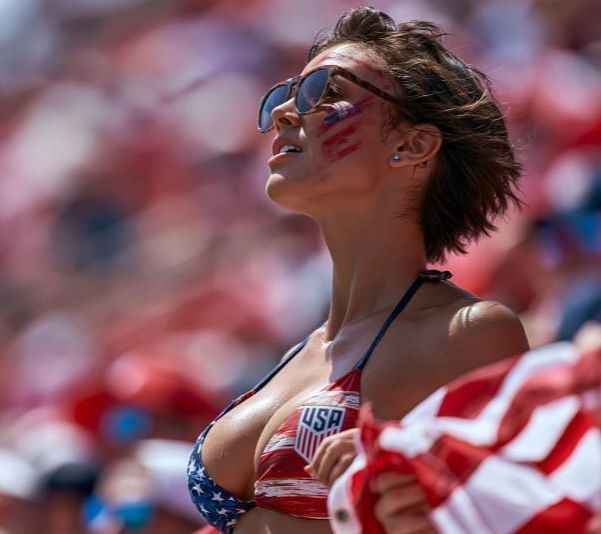
The photo of the "American Flag Bikini Beauty," which was captured at the 2026 North and Central America World Cup stadium and became a global sensation, has been revealed to be a fake image created by generative artificial intelligence (AI). This incident has once again brought the issue of information reliability in the AI era to the forefront. In particular, concerns over technical limitations are growing, as several AI detection tools had judged the image to be "highly likely to be real."
According to recent reports from foreign media outlets such as The Sun in the UK, on June 13 (Korean time), the photo of a female spectator taken during the group stage match between the United States and Paraguay at SoFi Stadium in Inglewood, near Los Angeles, California, spread rapidly through social networking services (SNS).
The woman in the photo is seen watching the match intently while wearing a bikini featuring the American flag. Interest was so high that some users even attempted to track down her identity.
However, it was confirmed that the image was not an actual photograph, but rather a creation made using an AI image generation tool. The Sun reported in an article titled "Who is the beautiful American fan in a bikini at the World Cup, does she really exist?" that "Although this woman went viral on SNS, she was created by AI. She does not exist."
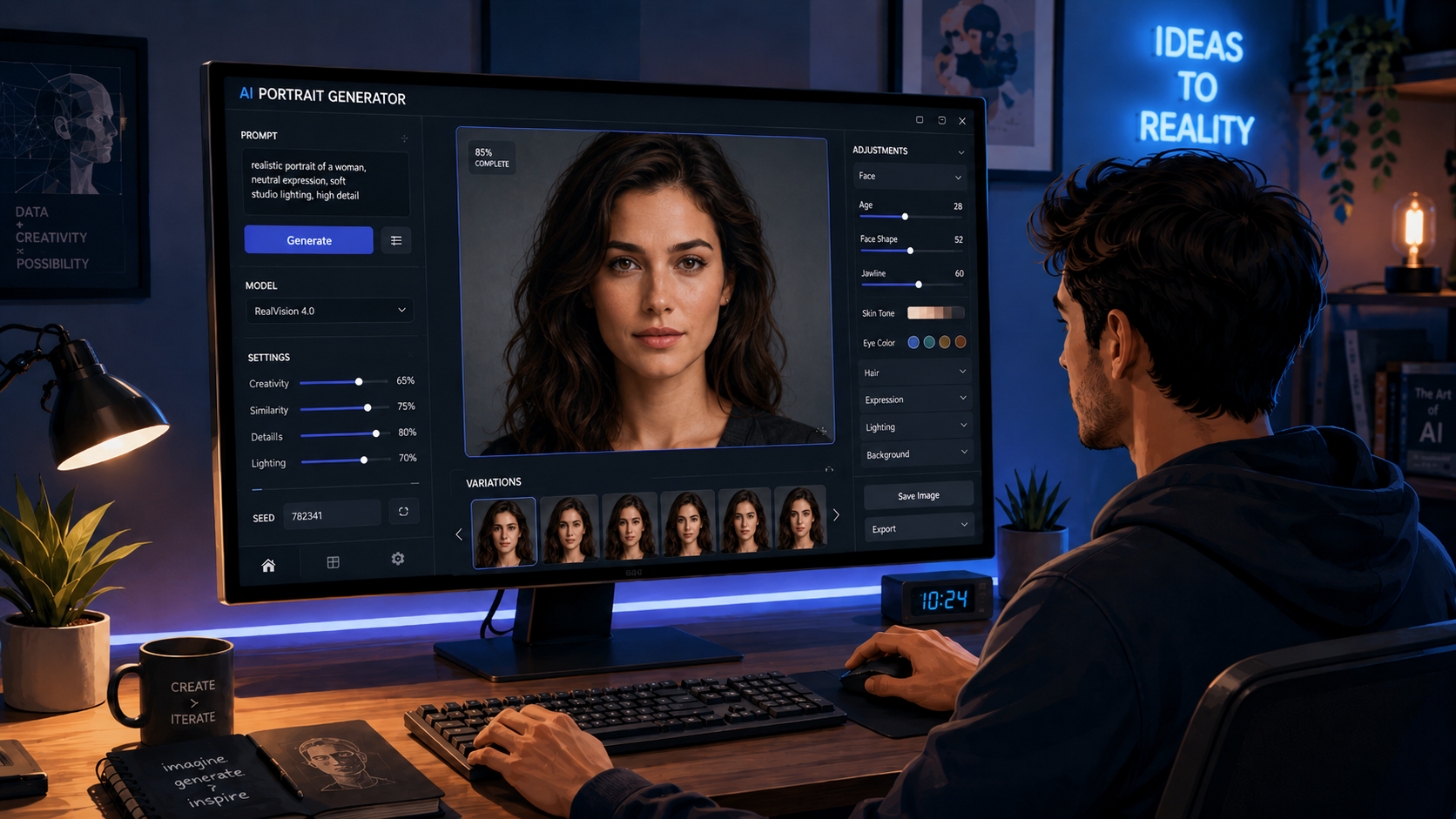
This case is seen as an example of how sophisticated generative AI technology has become. In fact, when some users checked the authenticity of the image using AI image detection tools, the result was "high probability of being a real person."
The Spanish media outlet Mundo Deportivo analyzed, "The texture of the skin, the clothing, and even the surrounding lighting are depicted so realistically that it is easy to mistake it for a real photo," adding, "Even advanced detection technology finds it difficult to make a clear distinction."

A woman famous as the "Baseball Stadium Goddess." Revealed to be an AI-generated image. Screenshot from SNS.
원본보기 아이콘Similar cases have recently occurred both domestically and internationally. Previously, a photo of a beautiful spectator captured at a Korean professional baseball game also became an online sensation, but it was later revealed to have been generated by AI.
With the spread of composite images that are difficult to distinguish from reality, there are growing calls for increased caution in overall information consumption, beyond dismissing such incidents as simple mishaps. In particular, AI technology is quickly spreading into the realm of crime. Deepfake videos combining real people are being used for voice phishing and romance scams, resulting in greater harm. According to the Korea Institute of Criminology and Justice Policy, the number of related reports surged from 156 cases in 2021 to 964 cases last year, and the upward trend continues this year.
Experts warn that AI video technology can intensify social distrust and conflict. However, institutional responses are still considered insufficient. The AI Basic Act, scheduled to take effect on January 22 next year, makes watermarking of generative content mandatory, but controversy continues over its effectiveness, as the watermark can be technically removed.

Seo Jiyeong zo2zo2zo2@asiae.co.kr
Choi Yujeong yjchoi@asiae.co.kr
© The Asia Business Daily. All rights reserved. Unauthorized AI training and use prohibited.