54.4% of Youth Live with Their Parents
Living with Parents and Taking on Housework Due to Job Crisis and High Inflation
Rise of "Full-Time Children" Who Receive Living Expenses Instead of Participating in Economic Activities
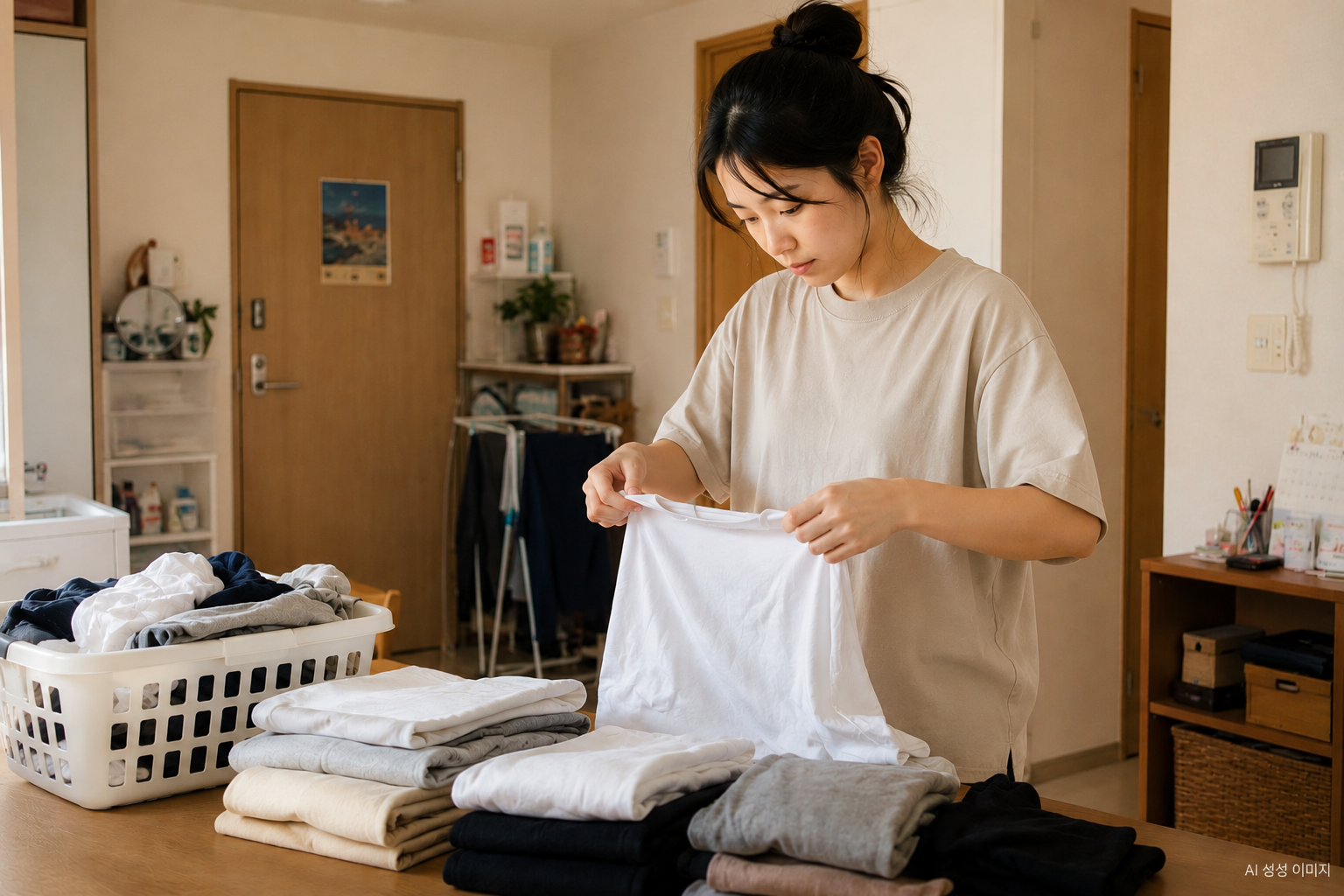
As the severe job market crisis, housing difficulties, and high inflation persist, a new social phenomenon has emerged: so-called "full-time children," who live with their parents and take full responsibility for household chores.
Full-time children are adult children who, instead of engaging in economic activities such as working at a company, live with their parents and take charge of household and caregiving duties, receiving financial support such as an allowance or living expenses in return. This neologism first appeared in China in 2023, when the country recorded its worst-ever youth unemployment rate, and it has recently started to be widely used in Korea with the publication of related books.
Increase in Returning to Parents’ Home Due to Monthly Rent and Jeonse Burden
They differ somewhat from the so-called "Kangaroo Generation," who are economically dependent on their parents, and the "NEET Generation," who have no intention of working. The distinction lies in the fact that full-time children prepare breakfast and dinner, handle cleaning, laundry, and recycling, accompany parents to medical appointments, and perform a variety of household and caregiving tasks.
Recently, the nickname "Home Protector" has even emerged, and comedy shows have featured skits about "interviews for hiring full-time children," reflecting the growing recognition of this as a social phenomenon.

A Different Form from Kangaroo and NEET Generations
Performing Household and Care Labor, Sharing Roles
The daily lives of full-time children taking care of household chores and caregiving are being shared on social media. Screenshot from SBS news broadcast.
Job Market Crisis and Rising Rent Burdens... 54% of Young Adults Live with Parents
According to the "2024 Survey on the Lives of Young People" released by the Office for Government Policy Coordination on June 16, 54.4% of young adults aged 19 to 34 currently live with their parents. The proportion was highest among those aged 19 to 24 at 78.1%, followed by 56.0% for those aged 25 to 29, and 29.9% for those aged 30 to 34.
The increase in young adults living with their parents is attributed to both the job market crisis and the burden of housing costs. According to the "May Employment Trend" released by the Ministry of Data and Statistics, the number of employed young people (aged 15 to 29) dropped sharply by 255,000 compared to the same month the previous year.
In addition, as the costs of monthly rent, jeonse (lump-sum deposit rental), and food have risen steeply, more young adults are giving up on living alone even if they are unemployed and are returning to their parents' homes.
Various cases are being shared on YouTube and social media, such as people in their 20s who paid 700,000 won per month in rent in Seoul for over five years before eventually moving back home, and those in their 30s who, after graduating from prestigious universities and spending years preparing for employment, have become full-time children.

"A Timely Survival Strategy" vs "Undermining Self-Reliance" Controversy
Expert: "Needs to Be Approached as a New Social Phenomenon"
"A Sad Reality" vs "Worries About the Future"... Diverging Views on "Full-Time Children"
As full-time children have emerged as a social phenomenon, public opinion has become divided.
On online communities, some say, "The term 'full-time children' captures the harsh reality faced by young people," and "Living with family is one option when finding a job is so difficult," expressing empathy and support for the generational hardships.
On the other hand, there are also many concerns. Some point out, "It's a job that ends if the employer—meaning the parents—becomes ill or retires," and "Ultimately, it could lead to a loss of self-reliance and financial difficulties in old age." If the parents' pensions are cut off or their health deteriorates, their children could also be severely affected.
Meanwhile, Yeongsoo Jeon, a professor at the Graduate School of International Studies at Hanyang University and author of the recently published book "Full-Time Children," appeared on the YouTube channel "Kimjagga TV" and stated, "It is important not to view full-time children too negatively." He added, "Since this is already an irreversible trend and is likely to increase, we should proactively consider how to utilize this group as a new opportunity."
(Reviewed: All numbers, currency units, HTML tags, and special variables have been strictly preserved as per the rules. Corporate, institution, and personal names have been cross-checked and handled according to official English names or standard spelling conventions.)
-
Reporter Choi Young zero02@asiae.co.kr
-
Edit Kang Dongwon kangdw76@asiae.co.kr
© The Asia Business Daily. All rights reserved. Unauthorized AI training and use prohibited.