
Australian research team conducts 10-year longitudinal study on 1,200 children
A recent study has found that adolescents who use social networking services (SNS) for more than two hours a day are more likely to experience depressive symptoms and lower life satisfaction. The impact was found to be especially pronounced among early adolescents, such as girls aged 12 to 13.
Longer social media use associated with increased depressive symptoms and decreased happiness
Using social media for more than 2 hours a day linked to deteriorating mental health the following year
Strongest correlation observed in 12-13-year-old female students
Early adolescence identified as a period especially vulnerable to social media effects
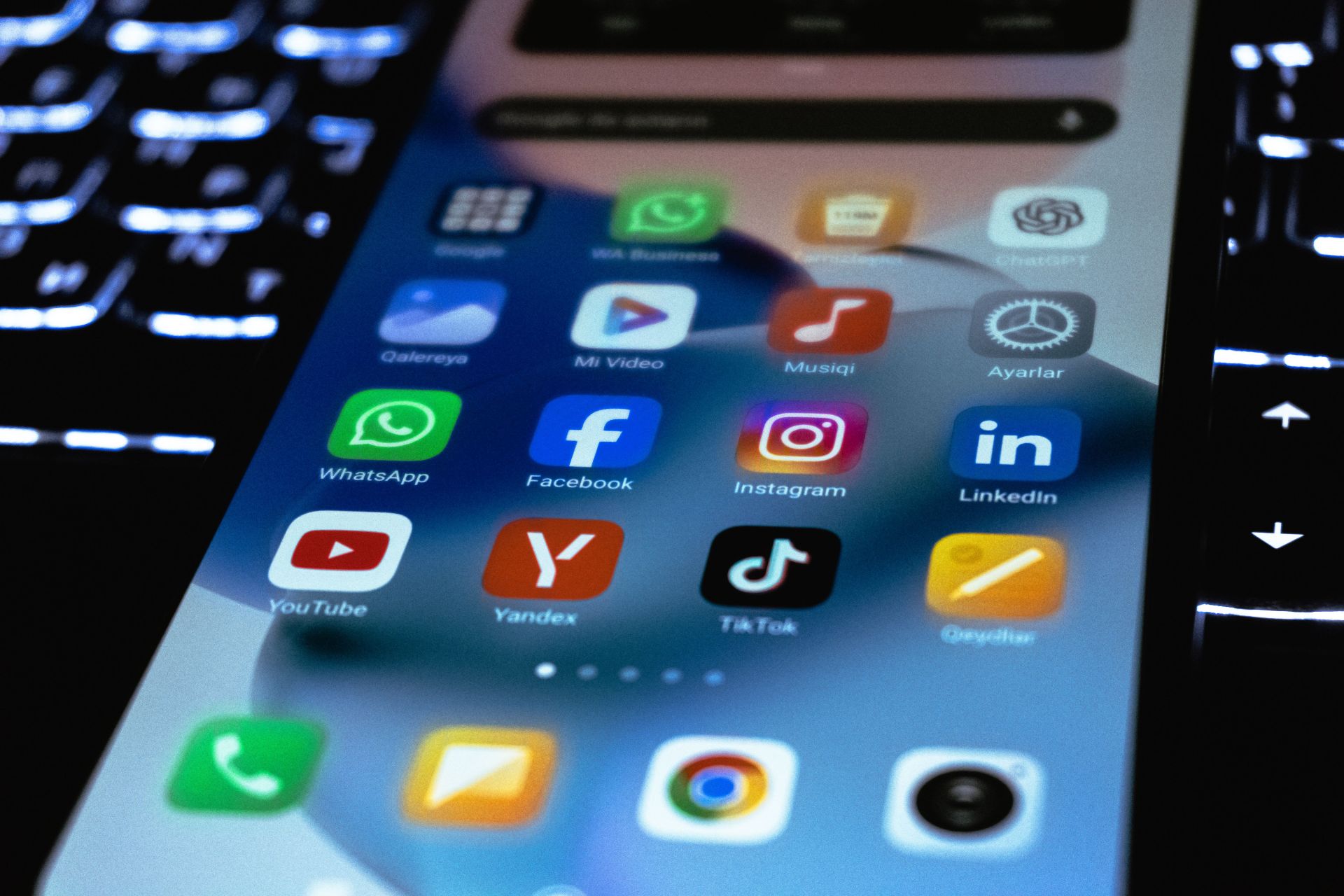
Image related to social networking services (SNS) to aid article understanding. Pexels
Photo by Getty Images Bank
According to the Murdoch Children's Research Institute (MCRI) in Australia on June 12, the research team led by Dr. Nandini Vijayakumar recently published these findings in the Medical Journal of Australia.
The team analyzed data from the "Child to Adult Transition Study" (CATS), which tracked about 1,200 children in the Melbourne area from ages 9 to 19 over a period of 10 years. During this time, the researchers annually surveyed indicators related to mental health—including SNS usage time, depression, anxiety, happiness, and self-harm.
More Than 2 Hours of SNS Use a Day Increases Risk of Depressive Symptoms

Researchers: "Risk increase is small but meaningful from a public health perspective"
Annual survey on mental health indicators including anxiety, self-harm, and happiness
"Not all social media is harmful" positive functions also emphasized
Experts: "Digital literacy education and parental guidelines needed"
Australia tracking the effectiveness of youth social media regulation policies separately
The analysis found that the longer the SNS usage among adolescents aged 12 to 18, the greater the slight increase in risk of mental health problems observed one year later. In particular, adolescents who used SNS for more than two hours a day were more likely to report higher depressive symptoms and lower happiness the following year compared to those who used SNS for less than one hour a day.
The impact was most pronounced in early adolescence. The research team explained that the association between SNS use and deterioration in mental health was strongest among girls aged 12 to 13.
Dr. Vijayakumar stated, "Early adolescence appears to be a period when high levels of SNS use are linked to an increased risk of mental health problems a year later. While the increase in risk identified in the study was not large, even a small impact can have significant public health implications given that so many adolescents are exposed to SNS."
"Not All Social Media Is Harmful"
However, the researchers clarified that this does not mean SNS is harmful to all adolescents. They also noted that SNS can offer positive experiences, such as fostering a sense of belonging among peers and providing opportunities for self-expression.
Susan Sawyer, a professor at MCRI, commented, "The impact of SNS on adolescent mental health has sparked social and policy debates worldwide, but evidence showing population-level effects has been limited. This study demonstrates the need for age-appropriate usage restrictions and education, digital literacy programs, and clear guidelines for parents."
Australia has been implementing a policy to restrict adolescent SNS use since December 10 last year. Researchers at MCRI and Deakin University are currently conducting a separate follow-up study to track how these measures affect adolescents' mobile phone usage time, screen exposure, and mental health.
-

Reporter rloseo8@asiae.co.kr
-
Edit Kang Dongwon kangdw76@asiae.co.kr
© The Asia Business Daily. All rights reserved. Unauthorized AI training and use prohibited.