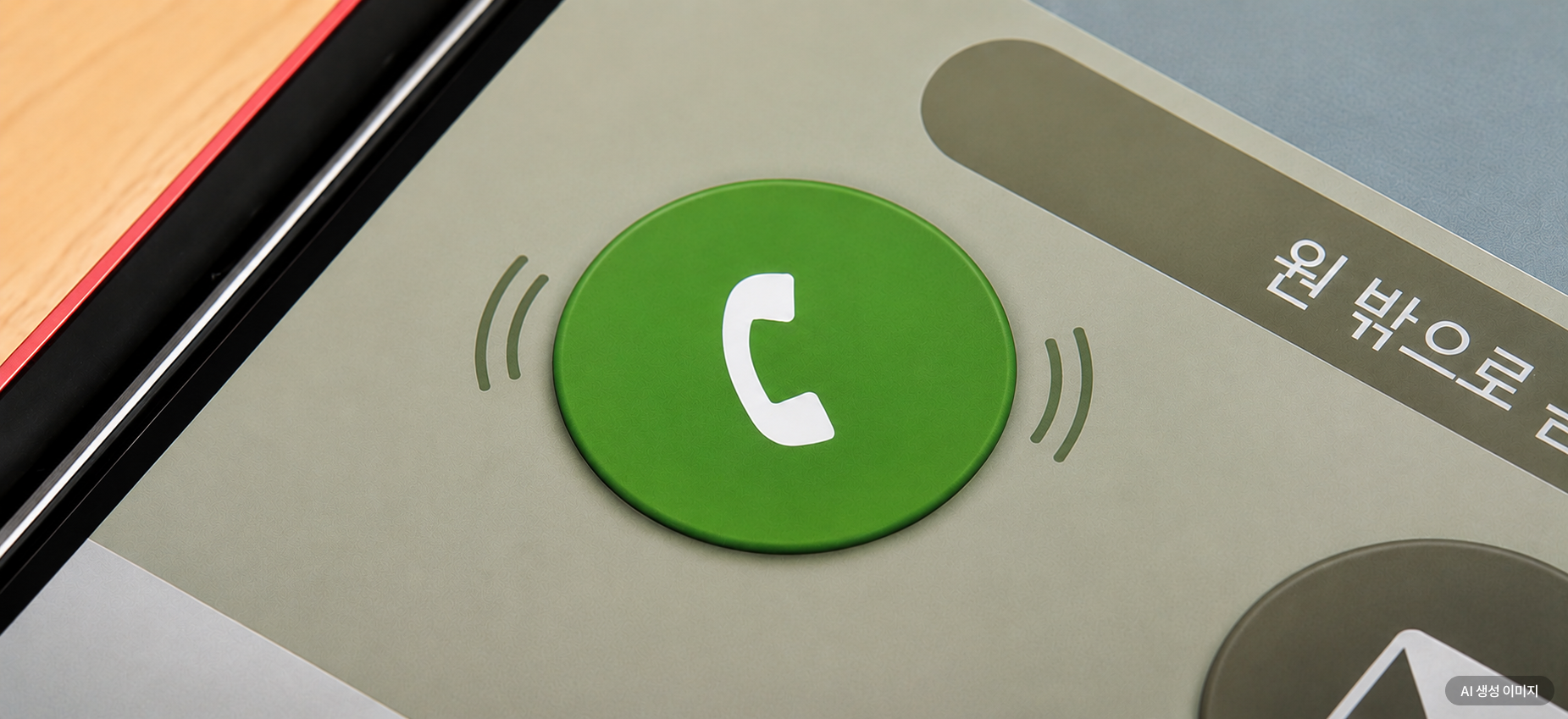
The moment the phone rings, it may be a welcome contact for some, but for others, it can feel like an abrupt intrusion. While you can check messages when you are ready, a phone call means the other person's schedule suddenly intrudes into your daily life. The recent popularity online and in media of the phrase, "A phone call feels like someone grabbing you by the collar," succinctly captures this sentiment.
Until now, the phenomenon of call phobia was considered a characteristic of Millennials & Gen Z. It was thought that the generation accustomed to text-based communication from a young age, such as KakaoTalk, Instagram direct messages, and texts, finds real-time voice conversations uncomfortable. In fact, according to a 2024 survey by AlbaCheonguk of 765 Millennials & Gen Z, 40.8% of respondents reported experiencing call phobia. In the same survey, the call phobia response rate increased from 30.0% in 2022 to 35.7% in 2023, and to 40.8% in 2024.
"I'm afraid of phone calls" - Call Phobia among Millennials & Gen Z is Rising Every Year
According to a 2024 survey by AlbaCheonguk of 765 Millennials & Gen Z, 40.8% of respondents said they experienced symptoms of call phobia. In the same survey, the response rate for call phobia increased from 30.0% in 2022, to 35.7% in 2023, and to 40.8% in 2024.
From 30.0% in 2022 to 40.8% in 2024, there was a 10.8 percentage point increase in two years. This suggests the psychological burden of phone calls is growing among Millennials & Gen Z.
There are clear reasons why phone calls are difficult. Millennials & Gen Z who reported call phobia cited "the burden of having to respond immediately without time to organize their thoughts" as the biggest factor. Other responses included worries about not being able to speak well and preferring texts or messages. Anxiety and tension before a call, deliberately delaying or ignoring calls, and replaying what was said after a call are also common behaviors.
When the phone rings,
Anxiety comes before thought
Millennials & Gen Z who experience call phobia said the biggest burden is the pressure to respond immediately as soon as the call starts.
!!
The greatest stress comes from having to react instantly without time to organize their thoughts.
Anxiety about not being able to speak well leads to avoidance of calls.
Respondents also preferred non-face-to-face communication, which leaves a record and allows for slower replies.
Before a call: Tension, during a call: Anxiety, after a call: Replaying the conversation
Visual Assistance by ChatGPT
Recent changes show that call phobia is not simply a generational issue. Even among office workers, phone calls are increasingly becoming a burdensome way to handle work. Phone calls require instant judgment and response, while texts or emails allow you to organize and review your answer before replying. Especially in environments where a mistake can directly impact your work evaluation, text communication that leaves a record feels much safer than verbal interaction.
Similar trends are observed in overseas surveys. In a UK study on work phone calls, 65% of office workers said they had experienced some level of phone anxiety in the past 12 months, and 62% said they had avoided work calls due to nervousness or anxiety. Notably, 67% of respondents aged 25–34 and 65% of those aged 35–44 reported avoiding calls due to anxiety, indicating that phone avoidance is not just a problem for younger generations.
The core issue is not that people have come to dislike communication, but rather that they feel burdened by communication they cannot control. Messages allow you to adjust the timing and tone of your response. Emails allow you to check materials and refine your sentences. In contrast, phone calls require you to immediately react to the other person's tone, silence, or unexpected questions. While fast communication can be an advantage, for some, it becomes a source of pressure.

The spread of AI is also accelerating these changes. Now, people rely on AI for difficult replies, apology messages, rejection phrases, and work email drafts. While it is helpful for refining wording and reducing conflict, it can also reduce the experience of directly speaking and resolving issues in person. Our society is becoming more accustomed to sentences over speech, and to edited responses over real-time conversation.
Some analysts argue that intensified political polarization—experienced through martial law and impeachment—has also contributed to a general decline in conversation across society. Professor Woontack Lim of the Department of Sociology at Keimyung University said, "As ideologies become excessively rigid, people are finding it more exhausting to form relationships, and the ability to embrace different opinions is weakening." He added, "There is also a growing tendency to send a message and not care whether you get a reply, or to just respond with an emoji." He emphasized, "Although society is becoming increasingly difficult to converse in, communities like families and schools must serve as learning spaces to restore conversation."

Recent changes indicate that call phobia is not simply a generational issue. Even among office workers, phone calls are becoming an increasingly burdensome way to handle tasks. Phone calls demand immediate judgment and response, whereas text messages or emails allow one to organize the content and reply after careful review. Pixabay
원본보기 아이콘We cannot simply dismiss phone calls as an outdated mode of communication. In urgent situations, conversations with emotional nuance, or moments that require quick resolution of misunderstandings, phone calls remain effective. What matters is not forcing people to use the phone, but rather recognizing that advance notice and consideration are needed even for calls.
-

Reporter Bang Jeil zeilism@asiae.co.kr
-

Edit Eo Kangbi uhkb86@asiae.co.kr
© The Asia Business Daily. All rights reserved. Unauthorized AI training and use prohibited.