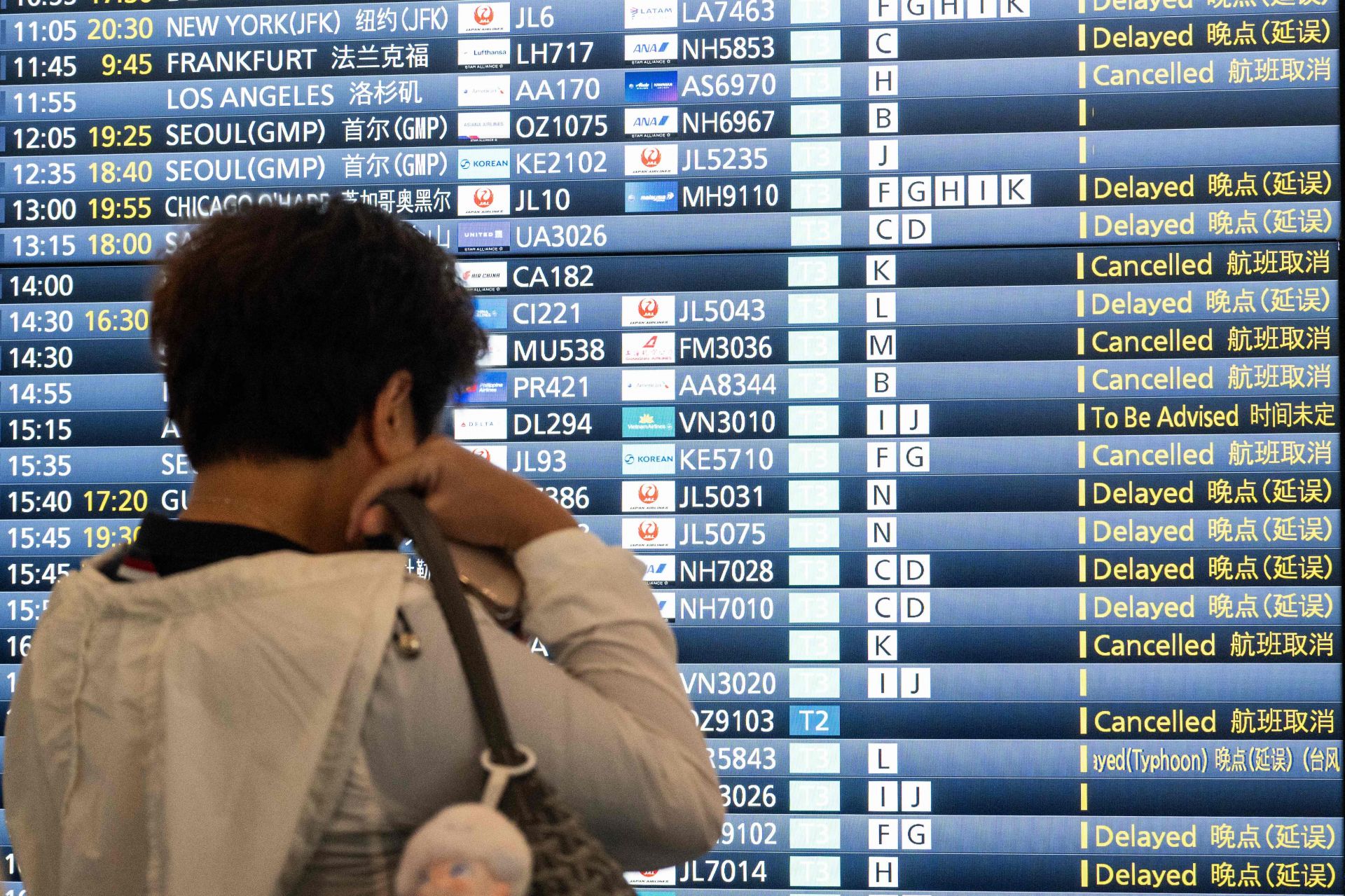

Earlier this month, Typhoon Jangmi landed in Japan, causing flight cancellations and disruptions in railway operations, leading to chaos in the transportation and tourism sectors. Jangmi made landfall in the southern part of Wakayama Prefecture, Japan, in the early hours of the 3rd. Recovery efforts are still ongoing in some central regions of Japan.
Up to 28 Typhoons Expected to Affect Japan This Year
As Many as 14 Could Make Landfall
With forecasts suggesting that Japan could face one of its worst typhoon seasons on record this year, the entire tourism and transportation industries are on high alert.
On June 10, the South China Morning Post (SCMP), citing the Japanese private weather service Weathernews, reported that up to 28 typhoons could affect Japan this year, with as many as 14 potentially making landfall.
This figure is significantly higher than the yearly average. Typically, about 25 typhoons form annually in the northwest Pacific, and fewer than three of them make landfall on the Japanese mainland. The year with the most typhoons in Japan was 1994, when 33 typhoons formed. The record for the most landfalls was set in 2004, with 10 typhoons striking Japan.
If these long-term forecasts come true, Japan could experience repeated extreme weather events from summer through early autumn.
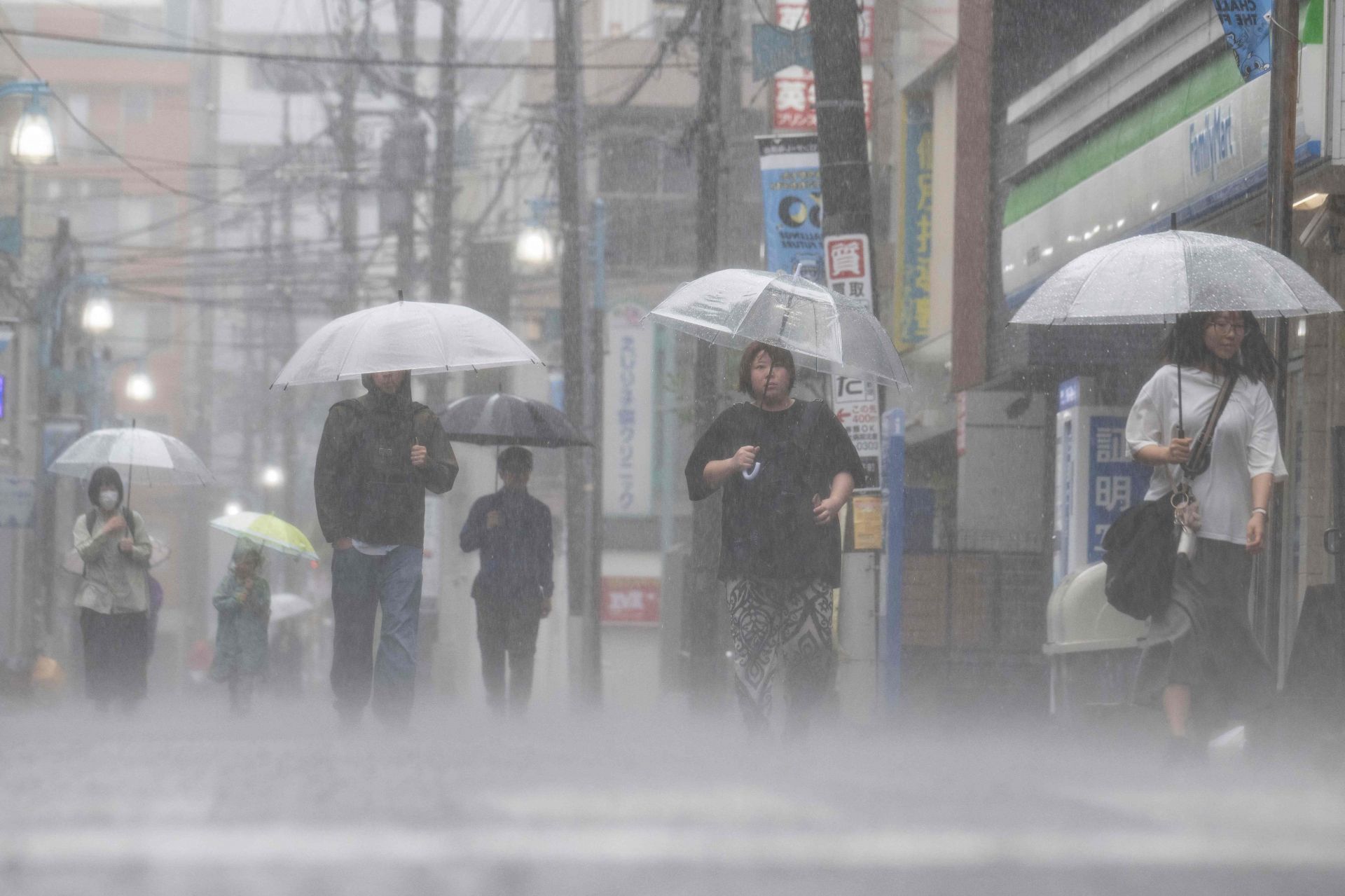
When Typhoon Jangmi made landfall, the Japan Meteorological Agency issued the highest-level, Stage 5 emergency flood warnings for some rivers in Wakayama Prefecture, urging residents to evacuate to higher ground. In addition, Stage 4 warnings for large-scale flooding and landslides were issued to eight prefectures in eastern Japan, including Tokyo and Kanagawa.
As a result, 524 domestic flights in Japan were canceled, and operations of the Shinkansen, regular trains, and subways were either suspended or delayed. In Owase City, Mie Prefecture, 52.6 centimeters of rain fell in the 24 hours up to 9 a.m. on June 3, marking the highest daily rainfall this month.
Weathernews stated that six typhoons have already formed so far this year, which is above average. The typhoon season in Japan usually extends from early June to early October.
Hironori Fudeyasu, a professor of meteorology at Yokohama National University, said, "As of June, six typhoons have already formed, which is double the monthly average of three."
He noted that typhoons striking Japan are becoming more frequent and more intense, and projected that "This year, the El Nino phenomenon will occur and will have a significant impact on typhoons." Current analyses suggest that the El Nino developing in the Pacific could become the strongest on record.
Professor Fudeyasu explained that changes in weather patterns in the Indian Ocean and strengthened westerly winds have created conditions conducive to typhoon formation east of the Philippines and in the South China Sea. In the past, typhoons often moved toward the Asian continent, but this year, there is a high likelihood that they will move north toward Japan.

On the 3rd, in Tokyo, Japan, the sluice gates of the Tama River, which rose in water level due to heavy rain brought by Typhoon Jangmi, were opened to release water. Photo by AFP Yonhap News
원본보기 아이콘However, Professor Fudeyasu also stated that the Japanese government is now prepared to respond to typhoons, citing the recent introduction of new warning and evacuation systems. He said, "If this had been 10 years ago, I would have said Japan was not ready. But now, the situation has changed. People have plans for how to act when a major typhoon occurs, and railway companies are pre-announcing service suspensions so that travelers can prepare accordingly."
Nonetheless, some in the travel industry argue that preparations for a worst-case typhoon scenario are still insufficient.
Ashley Harvey, a travel marketing analyst who has worked in the Japanese tourism industry for over 15 years, said, "In the past, it was possible to get Shinkansen tickets even on the same day, there were fewer tourists than now, and there was plenty of hotel room availability."
Harvey pointed out, "However, now too many tourists are concentrated in relatively small areas, so if a major typhoon hits, the entire system could suddenly grind to a halt."
She also argued that Japan's tourism industry must adapt to the possibility that, due to global warming, typhoons will become more frequent and more intense. Harvey said, "If train operations are suspended, tourists will not be able to move to their next destination, and with hotels fully booked, they may not be able to stay at their current accommodations either. This problem will spread throughout the tourism industry, affecting guides and restaurant reservations, and will further worsen the situation."
The worst typhoon to ever strike Japan was Typhoon Vera in September 1959. At that time, the maximum wind speed reached 305 kilometers per hour. The typhoon hit Cape Shionomisaki in Wakayama Prefecture, destroyed coastal defense facilities, severed railway lines, and sank ships. More than 5,000 people were killed or went missing due to this typhoon.
-

Reporter Yun Seulgi seul97@asiae.co.kr
-
Edit Kim Hyunhee faith100@asiae.co.kr
© The Asia Business Daily(www.asiae.co.kr). All rights reserved.