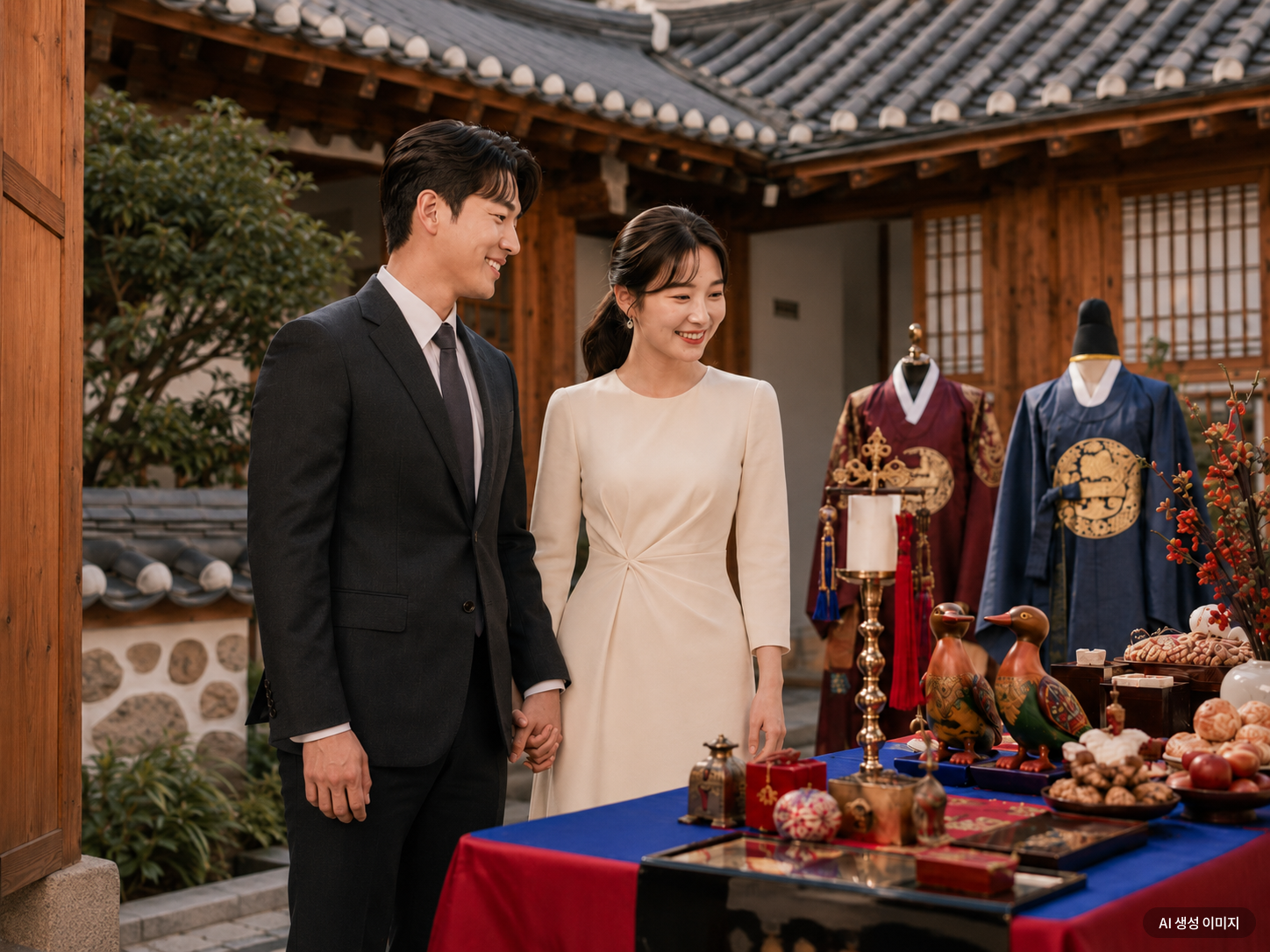
An increasing number of engaged couples are choosing traditional Korean wedding ceremonies instead of standardized wedding hall events. This trend is establishing itself as a new wedding culture, as it allows couples to express their individuality and Korean identity while also reducing costs.

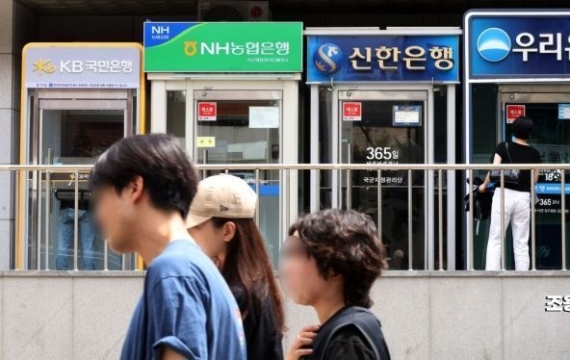
According to the Korea Consumer Agency, as of May 2026, the national average cost of wedding services was 20.88 million won. For two consecutive months—April (21.01 million won) and May—the average remained in the 20 million won range.
A recent survey by the matchmaking company Gayun targeting 1,000 married men and women who married within the last five years found that the average cost of preparing for marriage, excluding housing prices, amounted to 62.98 million won. The average cost for the wedding package (including studio, dress, and makeup) was 4.79 million won, while expenses for the wedding ceremony itself—such as venue rental and meals—averaged 9.9 million won.
Comparison of Wedding Preparation Costs vs. Traditional Wedding Costs
Unit: 10,000 won / Average wedding preparation costs exclude housing prices
In contrast, the average cost of a traditional Korean wedding ceremony, excluding meals, is reported to be around 4 to 5 million won—just a quarter of the cost of a standard wedding. At one folk museum in Seoul, the traditional wedding program is held three times a day, with reservations filling up every week due to high demand.
The reasons for choosing a traditional ceremony are not limited to cost savings. Engaged couples are reinterpreting the traditional ceremony as an "experiential wedding," where they and their guests can enjoy activities such as tea ceremonies, traditional pattern decorations, and Hanok space styling together.
Recently, a trend called the "K-Bridal Shower" has also emerged on social networking services (SNS), featuring hanbok and traditional props. Instead of a white dress, brides wear traditional formal attire and enjoy a celebratory feast with Korean desserts such as japchae and rice cakes.

This trend is closely related to the reality that the financial burden of weddings is leading to marriage avoidance. In the Gayun survey, engaged couples cited the "fixed wedding procedures" (34.0%) and "traditional mindset of both families" (31.7%) as the main reasons it is difficult to reduce unnecessary wedding preparation items.
Analysts note that the move away from expensive, conventional weddings is fueling demand for traditional wedding ceremonies.
Traditional weddings are gaining attention as the next step beyond "small weddings," as they allow couples to express individuality, practicality, and Korean identity all at once. As social pressure over wedding costs continues to grow, it is expected that more engaged couples will choose meaning over formality.
-

Reporter Choi Young zero02@asiae.co.kr
-
Edit Kong Sumin hyunhj@asiae.co.kr
© The Asia Business Daily. All rights reserved. Unauthorized AI training and use prohibited.