
"It's better not to like someone than to get hurt"...Changing Dating Culture Among Generation Z
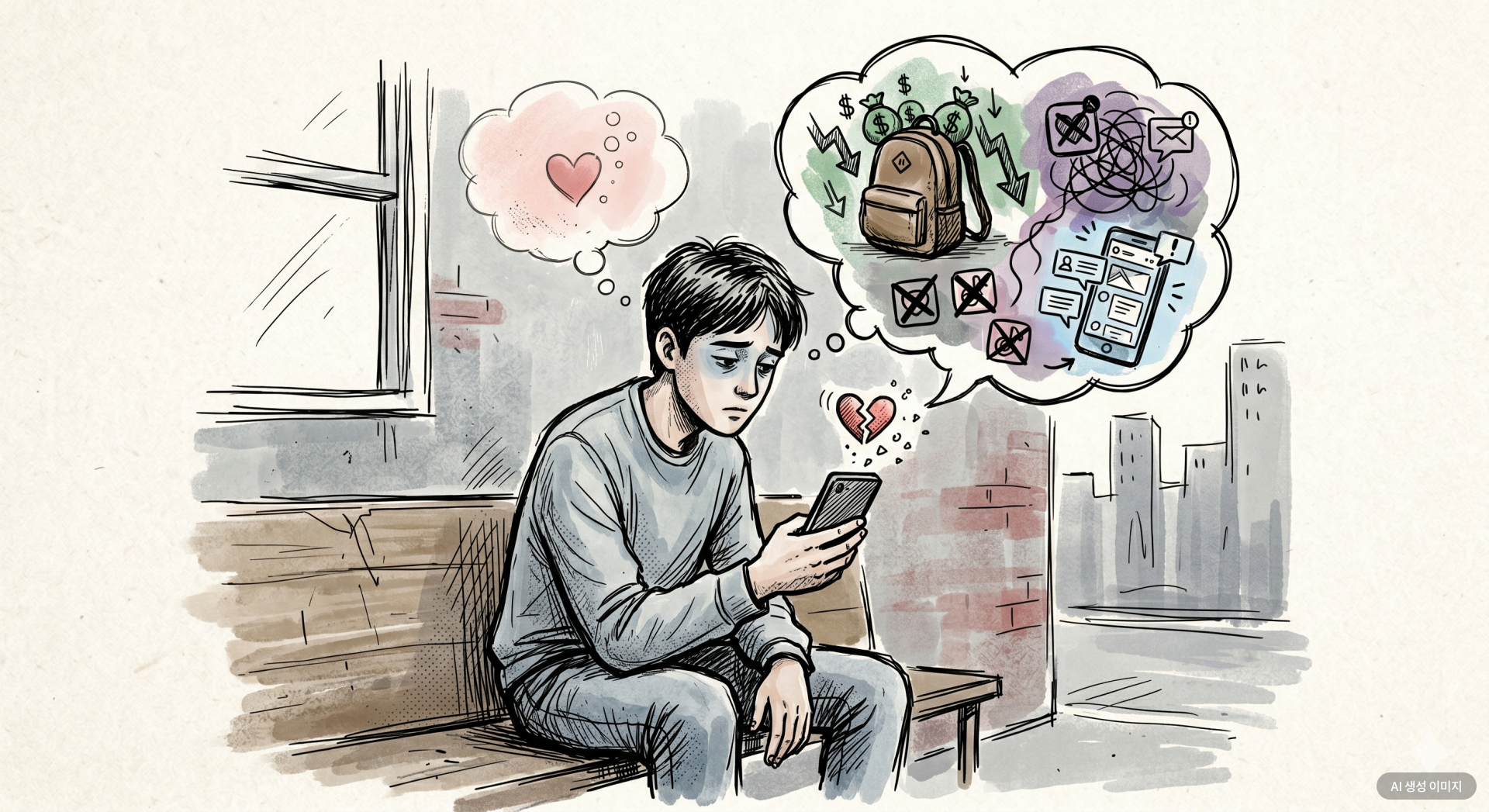
On June 4 (local time), American lifestyle media outlet Real Simple highlighted the growing "Crush Recession" phenomenon among Generation Z. This term began to spread on social media last year, and it describes how younger generations are increasingly finding romantic relationships and expressing affection to be burdensome.
The media outlet explained, "Generation Z tends to feel a significant emotional risk that comes with dating, such as the fear of public embarrassment, exposure on social media, and the possibility of getting hurt," adding, "As a result, the very act of pursuing feelings for someone is increasingly seen as not worthwhile."


Julie Nguyen, a dating coach at the dating app Hily, cited SNS culture as a reason Generation Z is avoiding crushes. She said, "In the past, feelings of attraction could remain private, but now even a slight crush can easily become public," explaining, "The risk of embarrassment or getting hurt in the process has only grown." She added, "Any date can become a topic of conversation in someone's group chat." In other words, whereas it was once possible to quietly like someone and keep those feelings to oneself, now the very act of dating or expressing affection is easily consumed online, amplifying the emotional burden.
Psychologist Brittany Woolford explained that this phenomenon should be understood in a broader social context. She said, "People feel that the payoff is too small compared to the emotional rollercoaster, considering that a crush can lead to a relationship and then require even more emotional labor." For young people already coping with student loans, a tough job market, and economic instability, romance can feel like just another drain on their emotional resources.

Some also point to dating app fatigue as a factor. The ease of meeting countless potential partners makes it more difficult to deeply focus on one person. Woolford said, "In an environment where so many people are compared to one another, it’s harder for an individual to feel as special as they used to."
"My Life Is More Important Than Love"...The Global Trend of Avoiding Romantic Relationships
Meanwhile, this trend of avoiding romantic relationships is being observed outside of the United States as well. In Japan, new terms such as "herbivore men" or "dried fish women" have emerged to describe young people who show little interest in romance or marriage.
China is also taking action amid deepening reluctance among young people to marry or have children. In April, Chinese authorities announced plans to strengthen "guidance on marriage and views on romance" and expand policies for childcare support. In fact, the number of annual marriages in China peaked at 13.469 million couples in 2013 and has been declining since. In 2024, the number fell to 6.106 million couples, hitting the lowest level in roughly 40 years. Local analysts attribute this to a combination of rising youth unemployment, the burden of housing and child-rearing costs, and changing perceptions regarding marriage and childbirth.


In South Korea as well, there is a clear trend among young people to prioritize their personal lives over romantic relationships. According to a survey conducted by data consulting firm PMI in February last year among 1,000 single men and women aged 20 to 49 nationwide, 71.7% of respondents said they were not currently in a relationship. By age group, 61.1% of those in their 20s, 72.6% of those in their 30s, and 81.5% of those in their 40s reported not being in a relationship. Notably, 29.8% of respondents in their 20s said they had never been in a romantic relationship, a relatively higher rate than other age groups.
The most common reason for not dating was 'I don't feel interested in or see the need for romantic relationships' (37.8%). This was followed by 'I haven't met anyone to date' (35.6%), 'I want to avoid the financial burden of dating and marriage' (16.5%), and 'Studies or work are more important' (8.9%).
-

Reporter Heo Midam damdam@asiae.co.kr
-
Edit Choo Myeonghoon chox2mh@asiae.co.kr
© The Asia Business Daily. All rights reserved. Unauthorized AI training and use prohibited.