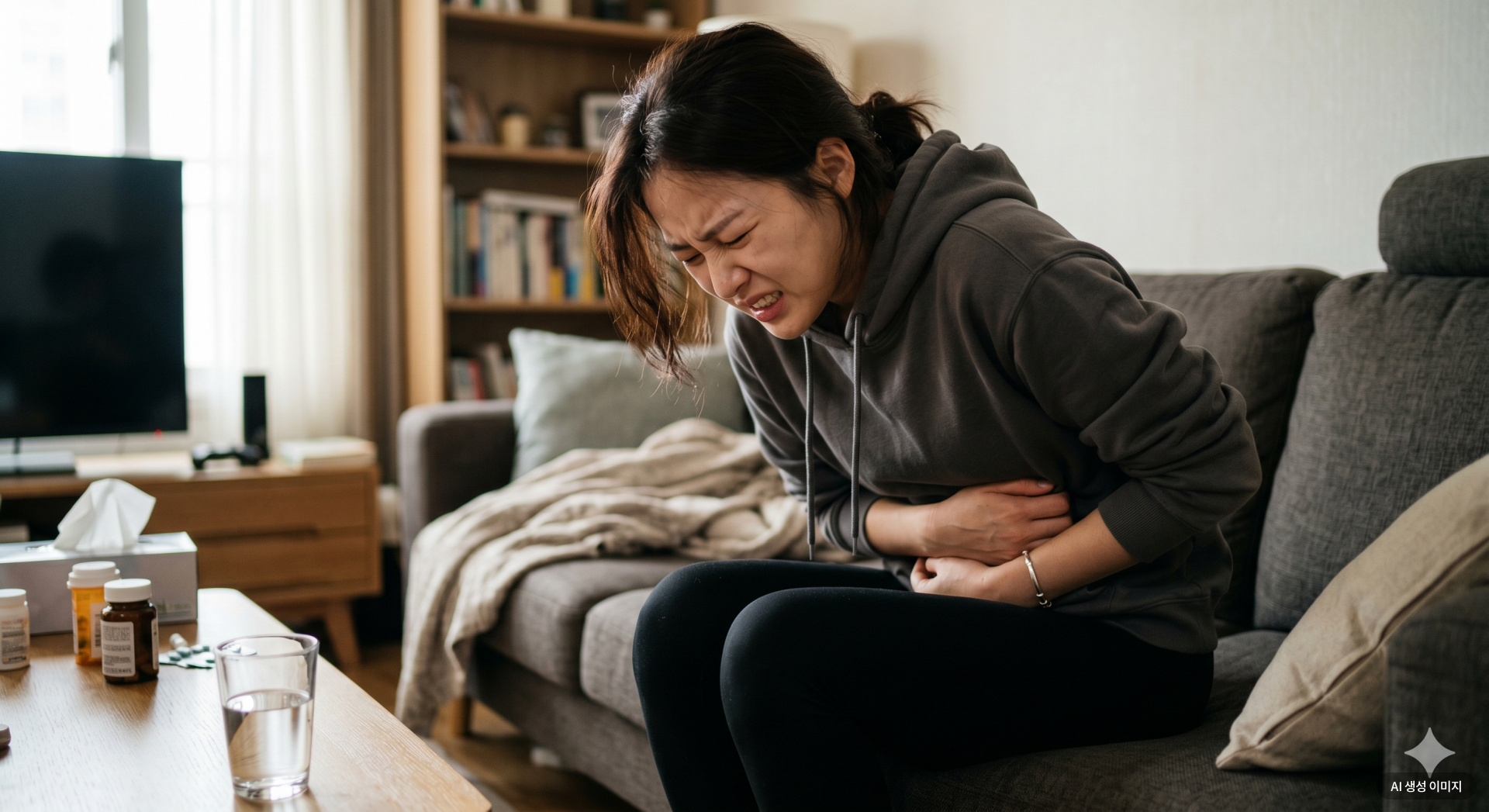
Food poisoning has been identified as a major public health issue, causing numerous deaths and severe cases worldwide every year. Experts emphasize that following basic hygiene rules during food preparation and storage is the most effective method of prevention.
On June 4 (local time), CNN reported, citing a recent study published in the international journal The Lancet, that "food poisoning is more than just the discomfort from eating spoiled food; it is a significant cause of serious diseases and death."
According to the study, it is estimated that about 1.5 million people died from food poisoning around the world in 2021. The researchers stated, "To reduce the enormous disease burden caused by contaminated food, each country should implement strategies to improve food safety."
Harris Wang, professor and chair of the Department of Systems Biology at Columbia University Irving Medical Center, who was not involved in the study, commented that while the figure may seem shocking, it is not an unexpected result.
Julie Jean, professor of Food Science at Laval University in Canada, also pointed out that many people underestimate the severity and disease burden of food poisoning. Professor Jean explained, "Considering the number of deaths, cases, and disability-adjusted life years (DALY) caused by food poisoning, its impact is comparable to that of major infectious diseases such as HIV or malaria."

Professor Jean added, "A significant portion of cases are either mild or go unreported, so the real risk is not fully recognized. However, this study shows that food poisoning is not just an individual problem, but a structural issue that society as a whole needs to address."
Food poisoning occurs when food contaminated by various hazards—such as parasites, chemicals, bacteria, or viruses—is consumed. Major causes include Salmonella, E. coli, norovirus, and Listeria. These pathogens can cause gastroenteritis and diarrhea, and in severe cases, can progress to sepsis or bacteremia.
There are also various causes for the occurrence of food poisoning. Bacteria may multiply if food is not cooked thoroughly enough or not stored at the proper temperature; in addition, viruses can spread if hygiene is not adequately managed during food handling.
The level of prevention and treatment for food poisoning varies by country. In particular, the risk of severe infection and death is relatively higher in low- and middle-income countries. Experts analyzed that the scale of outbreaks is influenced by factors such as the food safety system and regulatory standards, as well as access to healthcare.
Risk levels also differ by individual. Infants and young children with immature immune systems, the elderly with weakened immunity, and immunocompromised individuals are known to be especially vulnerable to food poisoning. Pregnancy also affects the immune system and is considered a factor that increases the risk of severe food poisoning. Vulnerability to foodborne pathogens can also increase if the gut microbiome is disrupted due to the use of certain medications or antibiotics.
If Diarrhea Persists for More Than Three Days, Seek Medical Attention
Typical symptoms of food poisoning include nausea, vomiting, diarrhea, abdominal pain, and fever. Generally, symptoms improve within 2 to 7 days, but if diarrhea persists for more than three days, or if high fever or bloody stools occur, you should visit a medical facility.
When suffering from food poisoning, it is important to stay hydrated. Professor Wang warned, "Severe dehydration can lead to systemic shock and multiple organ failure."

Caution Needed During Cooking and Storage... Refrigeration Recommended
Experts emphasized that careful handling and preparation of food is the most effective method of prevention. It is advisable to avoid consuming undercooked meat and eggs, raw flour, and unpasteurized dairy products, and to thoroughly wash vegetables. The U.S. Food and Drug Administration (FDA) recommends that high-risk groups take caution with raw fish like sashimi, processed meats (unless reheated), and packaged salads.
Additionally, food should not be left at room temperature for long periods. If not consumed immediately after cutting or cooking, food should be refrigerated within two hours.
Professor Wang also advised that maintaining a healthy lifestyle helps prevent food poisoning. He emphasized, "Basic habits such as proper nutrition, regular exercise, and sufficient sleep are all good practices."
-

Reporter Yun Seulgi seul97@asiae.co.kr
-
Edit Bae Byoungmin wuhaha@asiae.co.kr
© The Asia Business Daily. All rights reserved. Unauthorized AI training and use prohibited.