Seoul Plaza and Hangang Park among 38 locations ‘No Feeding of Pigeons’
A total of 940 warnings issued over one year
First offense: 200,000 KRW... Second offense: 500,000 KRW... Third offense: 1,000,000 KRW
Up to 1,000,000 KRW fine for feeding pigeons
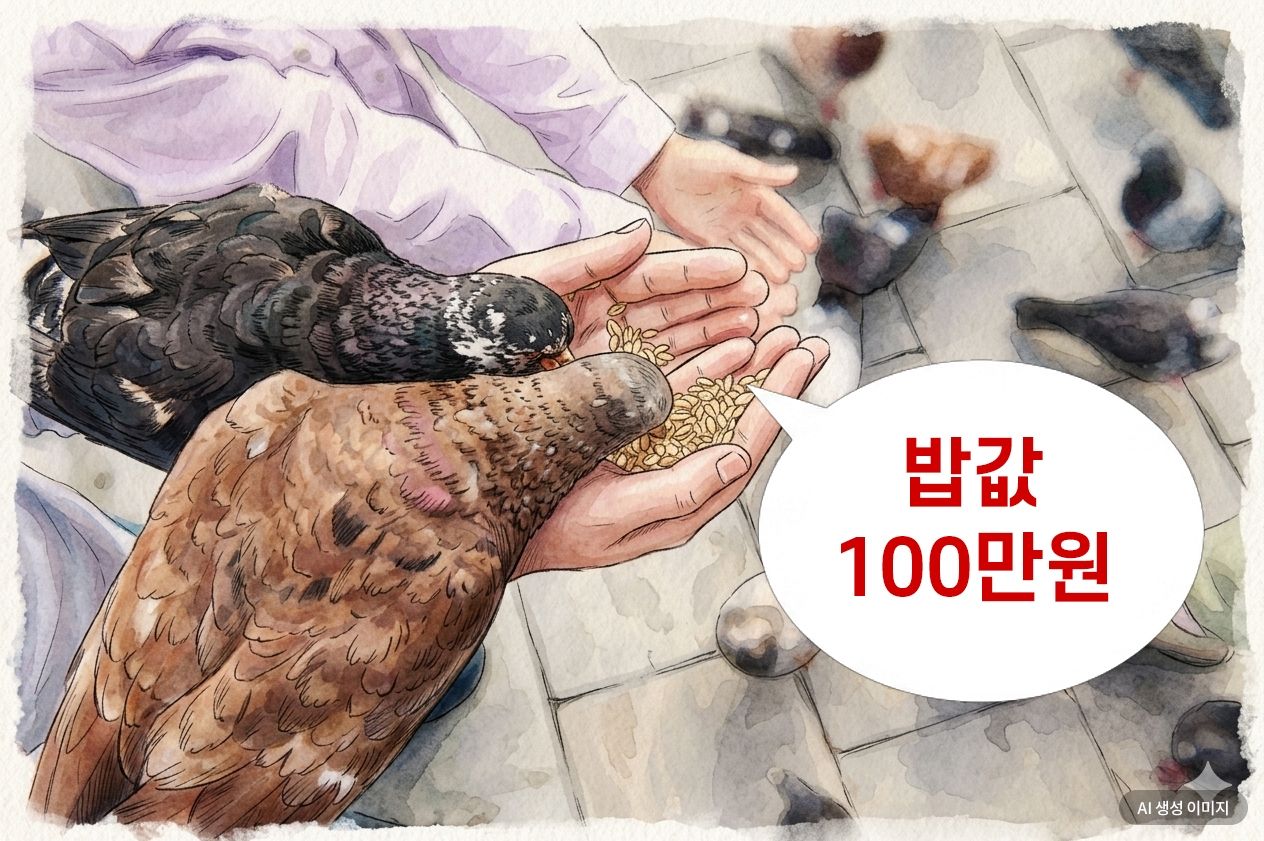
The Seoul Metropolitan Government will significantly step up enforcement of the pigeon feeding prohibition zones starting in June. Anyone caught feeding pigeons in these designated areas will face a maximum fine of 1,000,000 KRW.
According to the city of Seoul on May 29, this intensive enforcement will take place throughout the month of June, after which the city will shift to an ad-hoc inspection system. After approximately three months of public guidance and awareness campaigns, Seoul began imposing fines for feeding pigeons in prohibition zones starting July 1 of last year.
Domestic pigeons were originally birds that inhabited mountainous and natural environments. However, as they have adapted to urban settings and found new food sources, their habitats have expanded into city centers. The increase in food provided by people has led to a higher pigeon population in urban areas, resulting in problems with droppings and hygiene as well as aesthetic issues. In response, the city officially designated and announced 38 locations as pigeon feeding prohibition zones in April of last year, including major parks and plazas such as Seoul Plaza, Gwanghwamun Square, Seoul Forest, and 11 sections of Hangang Park.
Up until now, the city has focused on raising awareness about the policy rather than imposing fines, issuing a total of 940 on-site warnings. Starting in June, the city plans to strengthen practical enforcement during this intensive period and will directly issue fines.


An analysis of complaint patterns after one year of operating the feeding prohibition zones shows that the total number of complaints increased from 1,481 in 2024 to 1,658 in 2025, but complaints related to hygiene and living environment decreased. Notably, complaints requesting additional enforcement or designation of new prohibition zones surged from 15 to 910, indicating that public awareness of the policy is spreading and that the measures are considered effective in reducing nuisances such as droppings and noise.
Feeding pigeons is a major cause of an increase in their population and density, leading to citizen inconveniences such as droppings, foul odors, noise, and contamination of facilities. Anyone caught feeding pigeons in prohibition zones within Seoul will be fined 200,000 KRW for the first offense, 500,000 KRW for the second offense, and up to 1,000,000 KRW for the third and subsequent offenses. Not only Seoul, but also district offices are increasingly designating and managing their own feeding prohibition zones, especially in children's parks and neighborhood parks.
In addition to pigeons, the number of large-billed crows appearing in the city has increased due to citizens feeding them and inadequate management of food waste. From May to July, when young crows leave the nest, mother crows become more aggressive. Therefore, if you hear large-billed crows nearby, you should never feed them and should avoid contact by taking a detour to prevent any risk of attack.
Lee Changhun, Director of the Nature Ecology Division at Seoul Metropolitan Government, stated, "The city is a place where people and animals coexist. Simple actions such as not feeding wildlife and properly managing food waste can help create a more pleasant environment for citizens and reduce excessive dependence on humans among wild animals, contributing to a healthier ecological environment."