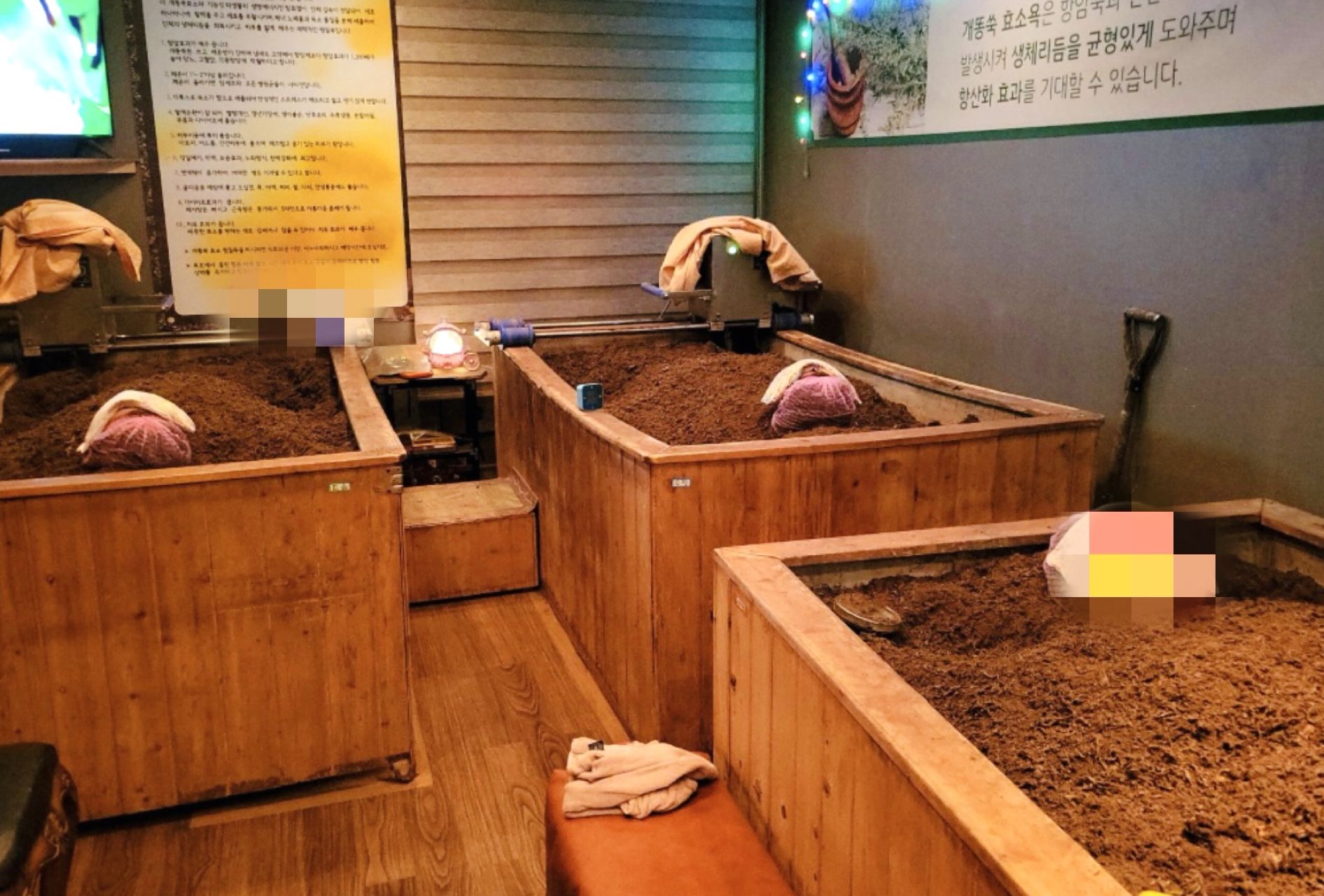
An enzyme jjimjilbang in Jamwon-dong, Seocho-gu, Seoul. As soon as you enter the entrance, you can feel the musty yet savory scent of mugwort and rice bran along with intense heat. This place uses microbial fermentation heat over 70 degrees Celsius and is so crowded with reservation customers even on weekday evenings that there is barely any space to move. Despite the price of 100,000 won per session, nearly 40 reservations are fully booked on weekends.
'Enzyme Sauna and Mugwort Therapy' Craze
Word-of-Mouth Spreads That It "Helps with Infertility Treatment"
"When I'm buried in the black powder, I feel like I'm becoming Dubai chocolate. It's so hot that it takes your breath away, but the warmth penetrates deep into my body, so I just can't quit."
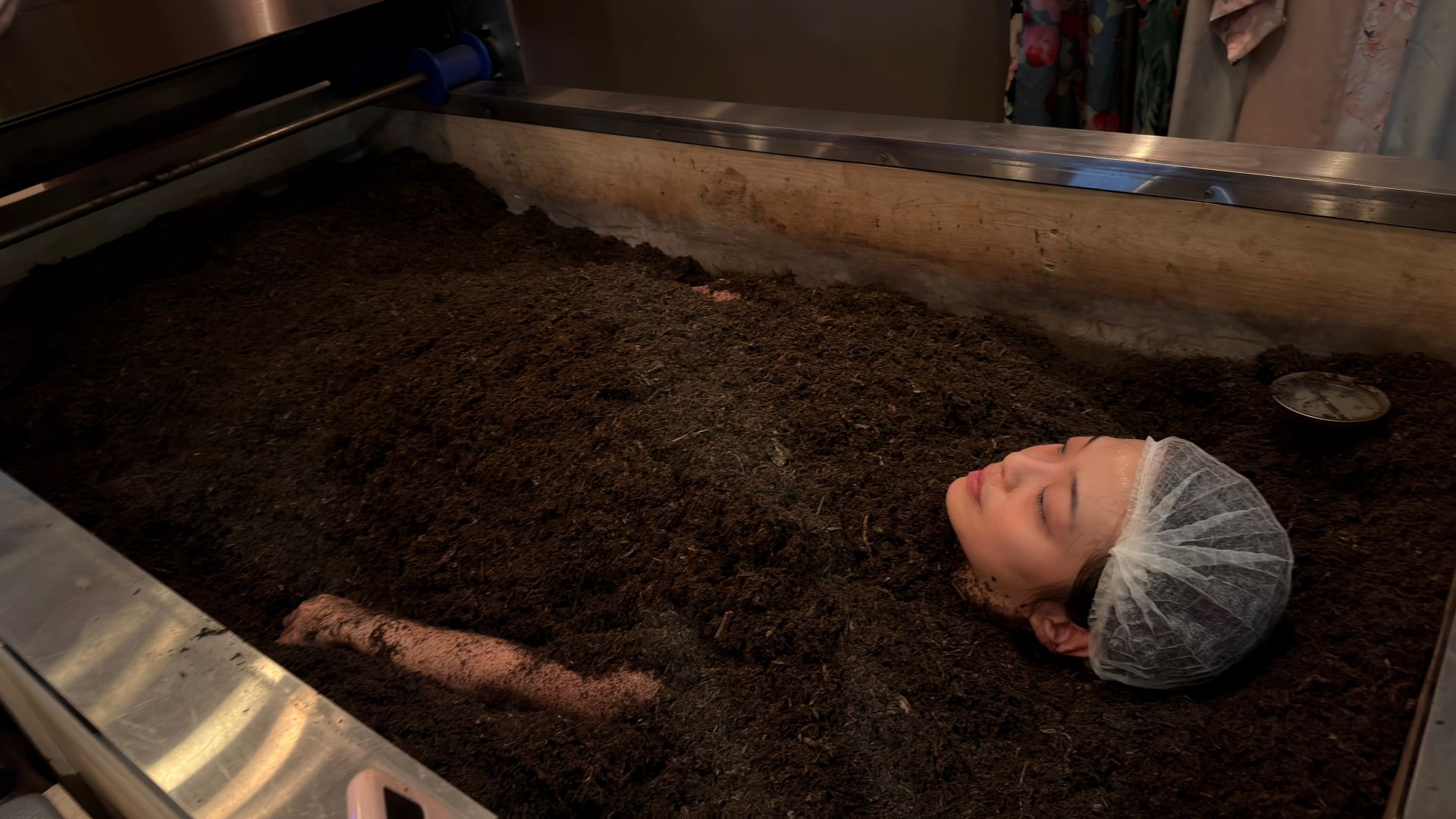
What stands out is the age group of the customers. While enzyme sauna therapy was once considered a health secret for older or middle-aged adults, its main clientele is now women in their 20s and 30s.
Yoon (59), who has operated this place for ten years, said, "Over the past year or two, there has been a marked increase in young people coming here after hearing word-of-mouth that warming the body helps with infertility procedures."
According to data from the Shinhan Card Big Data Research Institute released on May 22, 47.5% of all enzyme sauna payment transactions in the first quarter of this year were made by people in their 20s and 30s. This is a 17.4 percentage point increase compared to the first quarter of 2023 (30.1%). For mugwort therapy, the proportion of users in their 20s and 30s during the same period almost tripled, rising from 13.3% to 40.7%.

The reason young women are seeking out hot enzyme baths and pungent mugwort smoke goes beyond simple fatigue relief; it's about maintaining a healthy body amid delayed marriage and childbirth. On this day, civil servant couple Chanmi Seo (32) said, "When we were notified at the public health center's fertility test that our chance of pregnancy was less than 40%, my husband and I hugged each other and cried." She added, "Since then, we've tried everything said to warm the body, including mugwort therapy, enzyme sauna, and vaginal steaming." Office worker Soyoung Park (38) also shared, "After nearly two years of preparing for pregnancy, I became anxious and started mugwort therapy after reading reviews online. As long as it helps, I don't regret the money."
Unlike in the past, interest among the younger generation in fertility management and infertility procedures is steadily growing. According to data from the Health Insurance Review and Assessment Service, there were 203,101 infertility procedures performed nationwide in Korea in 2023, a 38.9% increase compared to 146,354 in 2019. The age of patients undergoing these procedures is also trending younger; the average age of women receiving infertility treatment fell from 37.9 years in 2022 to 37.3 years in 2023, and the number of women in their 20s receiving infertility treatment surpassed 20,000.

In particular, the number of participants in Seoul's egg freezing subsidy program jumped from 219 in 2023 to 825 last year—an approximately 3.7-fold increase in just one year. Eight out of ten participants were in their 20s or 30s.
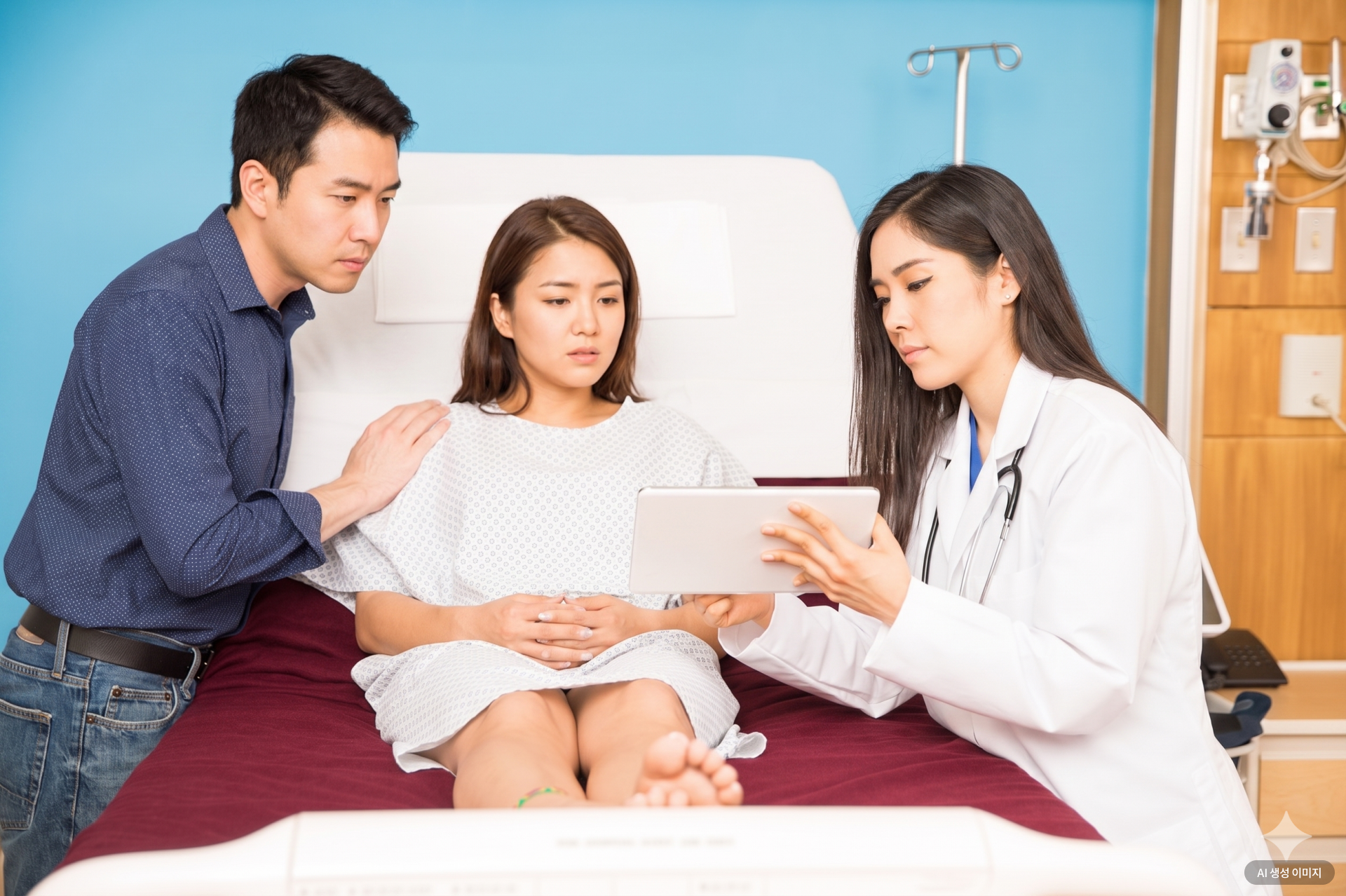
Recently, a culture of young newlyweds sharing experiences of infertility and health management information has been rapidly spreading online. On Instagram and YouTube, content such as "Infertility Diary" and "IVF Vlog" is being posted continuously, with people sharing information about infertility treatment processes, ovulation tests, diet management, hospital reviews, and more. YouTuber Seoryeong Kim (29) said, "Infertility feels like walking through a long tunnel with no end in sight, but instead of hiding it alone, I find comfort by sharing experiences together."
Experts analyze that the Millennials & Gen Z, who are experiencing delayed marriage and childbirth, are creating a new wellness culture. Professor Chul Choi of the Department of Consumer Economics at Sookmyung Women's University pointed out, "As the average age for women giving birth hit an all-time high last year, review content on social media is driving diverse consumption trends among young people."
However, the medical community warns against blindly trusting folk remedies. Anna Choi, Director and OB-GYN specialist at Gangneung Medical Center, advised, "Lifestyle improvements can be helpful, but one should be cautious about overestimating the effects of specific home therapies. It's important to check your condition early and receive appropriate treatment through hospital fertility assessments."
(모든 규칙: 화폐 단위,
태그 유지, {$_... 변수 보존, 고유명사 표기, 수치 유지, 한글 미잔류 여부 등 재확인 완료)
-
Reporter Park Hosu lake@asiae.co.kr
-
Edit Kim Hyunhee faith100@asiae.co.kr
© The Asia Business Daily. All rights reserved. Unauthorized AI training and use prohibited.