
According to the investigation, all raw pork skins sold by these companies were supplied by suppliers located in Gyeongbuk Province. The acid value of raw pork skins distributed in the market ranged from 0.8 to 1.4. Although it meets the acid value standard (below 4.0) as raw pork skin, it does not meet the edible standard because it was not refined and its acid value exceeded the standard by 3 to 4 times.
Riding the Lard Oil Craze... Unrefined Raw Pork Fat Illegally Distributed as Edible Ingredient
It has been confirmed that raw pork fat, which does not meet edible standards, is being disguised as a cooking ingredient and distributed in the market. Products that exceed the acid value (an indicator of freshness and rancidity in oil) set by the Ministry of Food and Drug Safety by up to four times are even being supplied to department stores, raising concerns.
According to coverage by The Asia Business Daily and police sources on April 22, at least five distributors nationwide—including in Seoul, Incheon, and Daegu—have been found to be selling raw pork fat for edible purposes rather than just as a raw material. These companies, which distribute their products online, list the food type as raw pork fat, but in their product descriptions, they recommend it for cooking.
Under the Food Sanitation Act, raw pork fat is defined as a 'raw material' for edible pork fat. It must go through refining processes such as degumming (removal of impurities), deacidification (removal of free fatty acids), decolorization (removal of pigments causing cloudiness), and deodorization (removal of odor) to be suitable for consumption as edible pork fat. At this point, edible pork fat must meet strict standards, such as an acid value below 0.3 and moisture content below 0.3%. In contrast, the acid value standard for raw pork fat, before refinement, is less than 4.0.
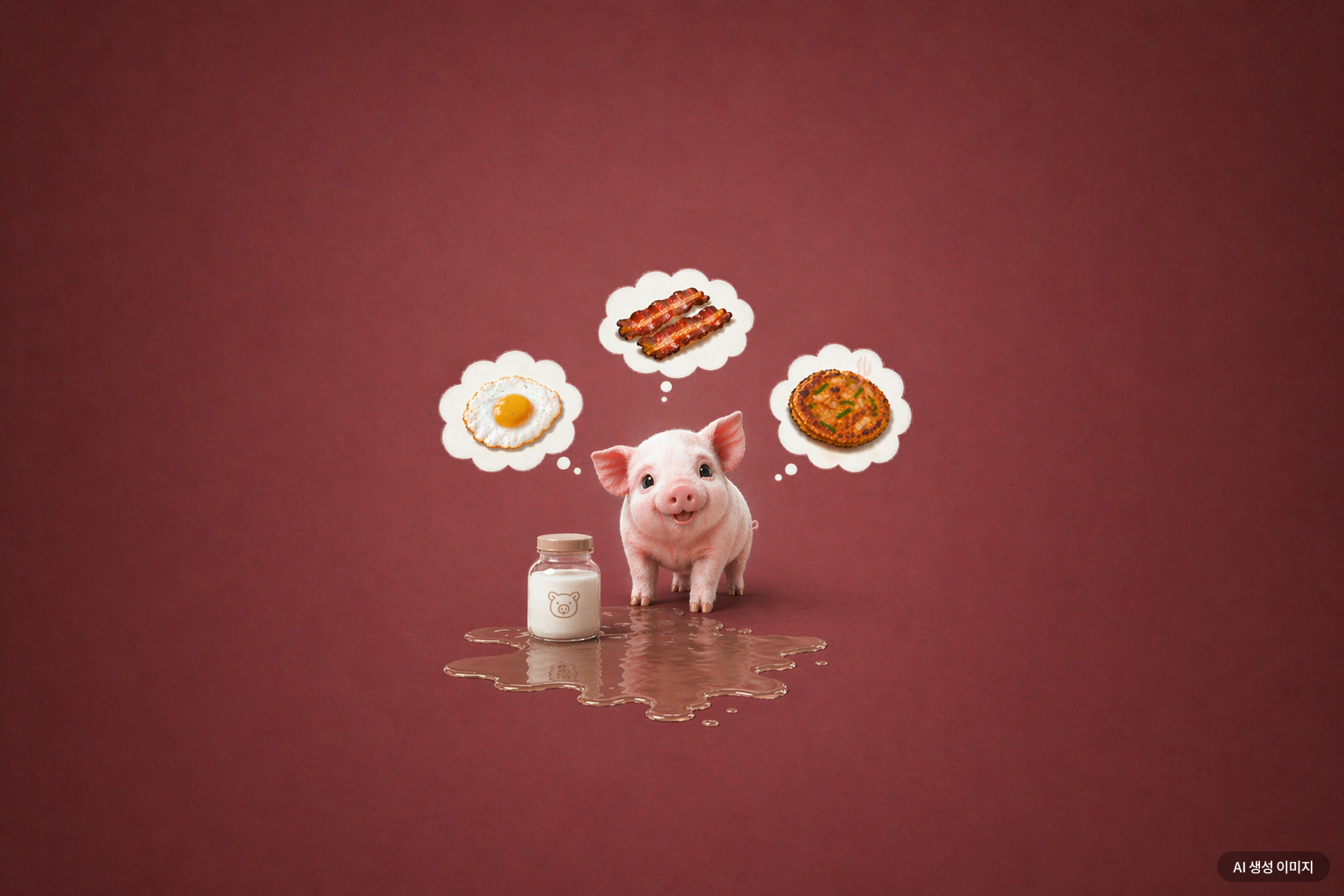
However, Company A based in Seoul recommended adding raw pork fat to fried eggs or kimchi pancakes, introducing it as having "not only great taste but also cooking stability." Company B in Seoul, when asked whether the product was edible, falsely claimed it was edible pork fat, but added, "(Whether it is refined or not) is managed at the factory, so I am not sure." Company C in Incheon even recruited a trial group and posted blogger reviews, while Company D in Daegu emphasized that their product was distributed as a premium item in department stores. Company E in Daegu also promoted various cooking applications.
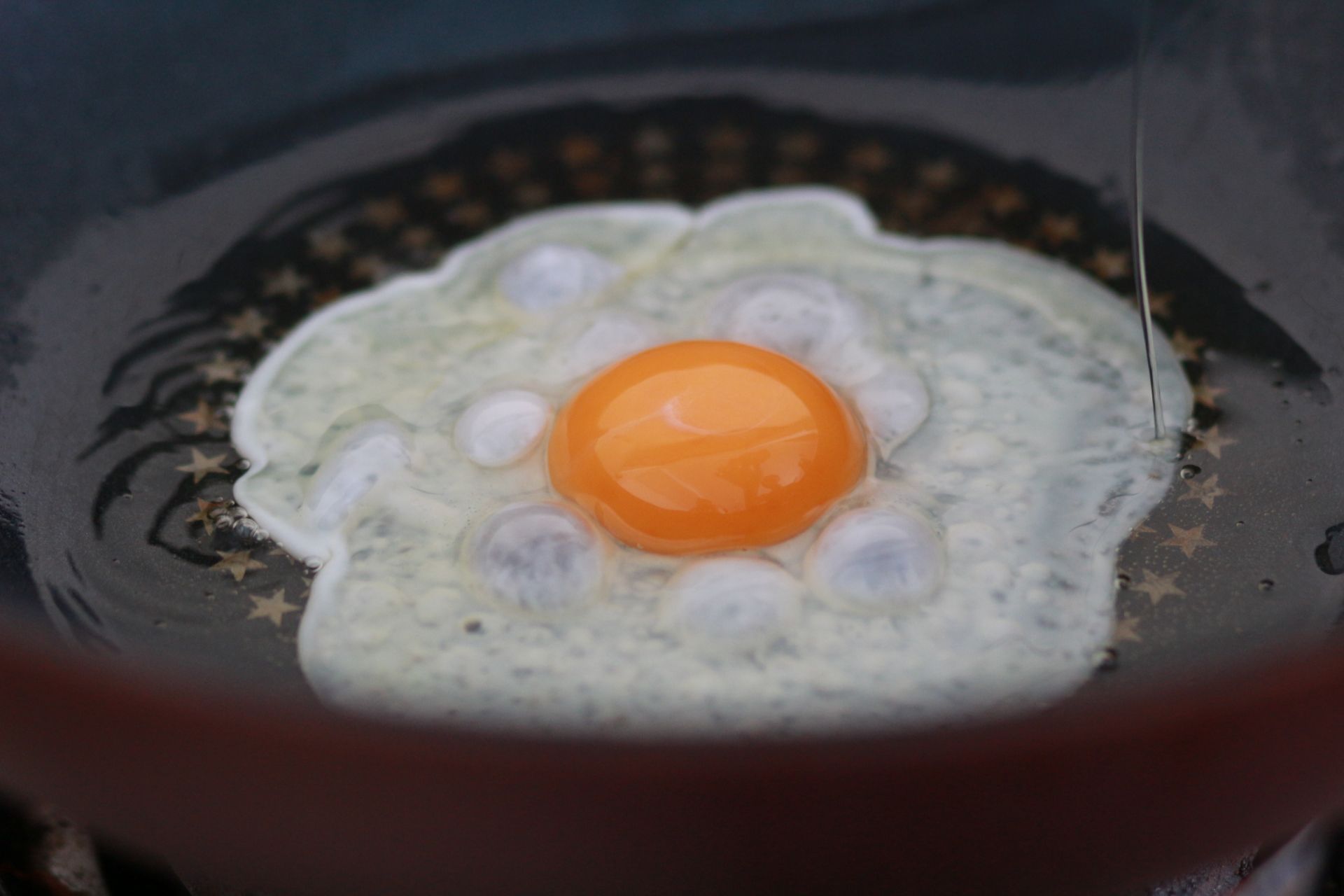

Companies recommending to add raw pork belly to cooking, introducing it as having "not only great taste but also cooking safety." Image is not directly related. Getty Images
원본보기 아이콘The supplier maintains that there is no problem with the raw pork fat, so it is safe to use for food. A company official argued, "If you want to adjust the acid value, you have to add various substances during refining, and then the removal process becomes complicated. With raw pork fat, you only need to manage the acid value and moisture, so it is actually more natural and safer."
Ministry of Food and Drug Safety: "Not suitable for consumption, subject to regulatory action for standard violation"

The industry has cited the 1989 beef tallow scandal case, in which a food company was found not guilty. At the time, the acid value standard for edible beef tallow was below 0.3, but the prosecution indicted the head of the food company for importing 'industrial raw material' that exceeded this standard. However, the company argued that it used the product only after refining it to meet edible standards for products such as instant noodles, and the court accepted this argument.
However, the beef tallow scandal involved importing oil in its raw, non-edible state and then refining it according to domestic regulations before use. The prosecution argued that edible standards should have been applied even to the raw material, but this is different from distributing unrefined raw pork fat as edible. Kim Taemin, a food law attorney and former Ministry of Food and Drug Safety official, pointed out, "If standards or specifications are violated, it is naturally subject to punishment."
The Food Code under the Food Sanitation Act, which sets safety standards, is not about whether a product can be eaten or not, but whether it guarantees safety during distribution. Unrefined fats are not natural foods but contain enzymes and microorganisms, making them overwhelmingly prone to rancidity during distribution, which is a scientific fact.
A professor in food engineering at a major university in Seoul, speaking on condition of anonymity, explained, "Legally defined standards are set to address the potential for harmful substances to develop. A high acid value does not necessarily mean the fat is spoiled, but it can indicate poor environmental conditions such as high temperatures."
An official from the Ministry of Food and Drug Safety stated, "Unrefined raw pork fat is not appropriate for consumption. If it is confirmed that raw pork fat is being distributed as edible, actions will be taken for violating current standards and regulations."
-

Reporter Oh Jieun joy@asiae.co.kr
-

Edit Eo Kangbi uhkb86@asiae.co.kr
© The Asia Business Daily. All rights reserved. Unauthorized AI training and use prohibited.