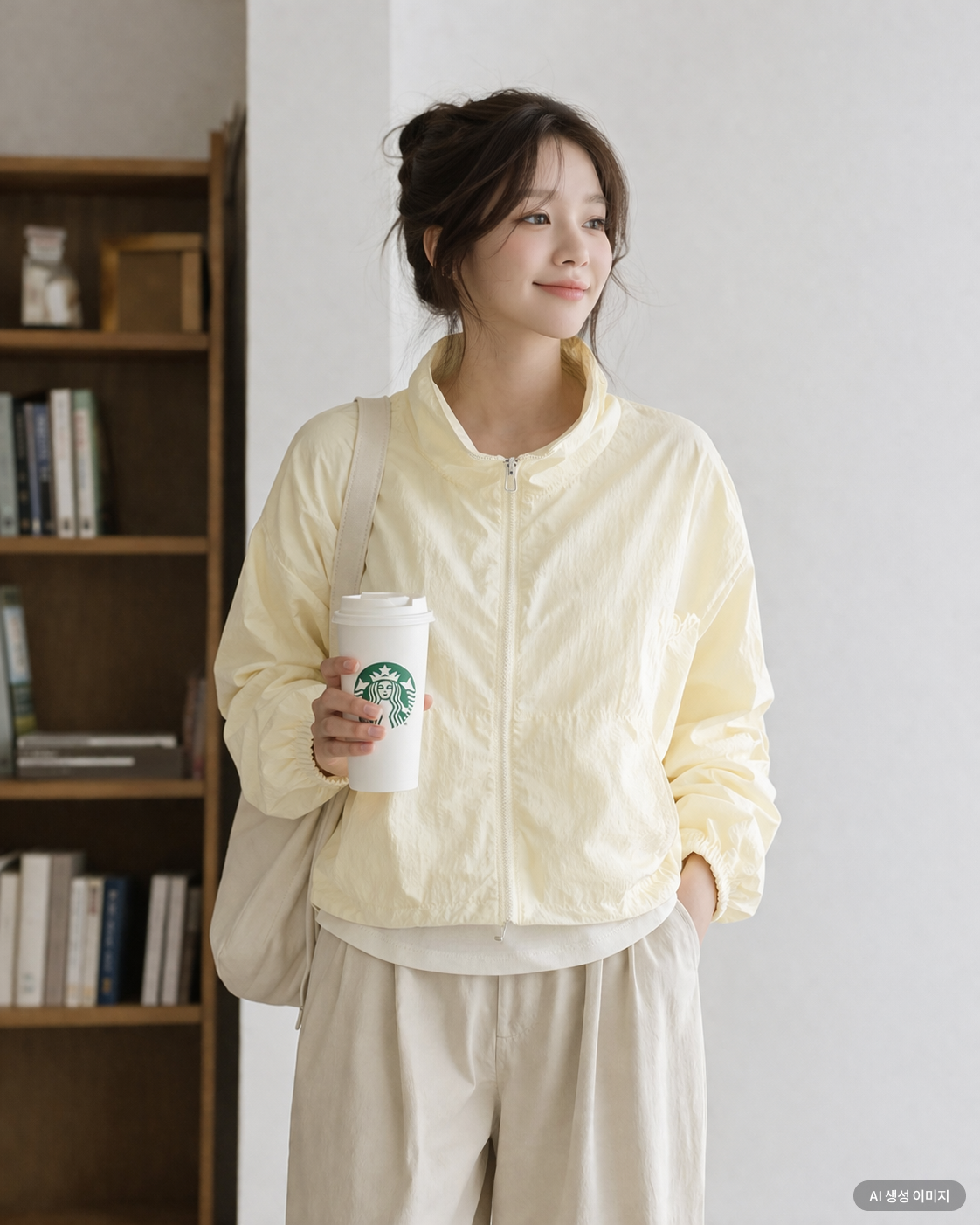
The windbreaker is a product that Daiso launched in February, priced at 5,000 won. It costs about the same as a cup of Starbucks coffee.
AI-generated image
AI-generated image

by Han Yeju
by Eo Kangbi
Published 09 Apr.2026 15:35(KST)
Updated 09 Apr.2026 15:51(KST)
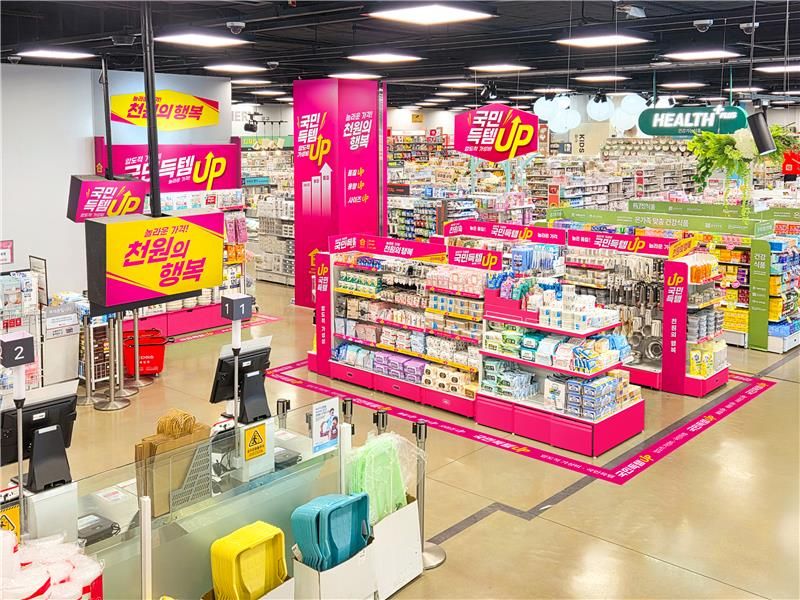
A Daiso store in Seoul. In front of a rack of windbreaker jackets, a customer carefully checked the fabric and tested the zipper, asking the question above. When a Daiso employee confirmed the price, the woman in her 40s added it to her shopping basket without hesitation. She said, "It's thin, light, and functions just as well as others at blocking the wind. I don't feel much difference from other brands." Some sizes were already sold out that day.
The 5,000-won windbreaker jacket launched by Daiso is shaking up clothing market prices. Analysts say that beyond ultra-low-priced goods, even the way prices are determined is changing.
According to Daiso on April 9, windbreaker sales from March 14 to 28 increased by 160% compared to the previous month. The entire apparel category is also seeing rapid growth. In January 2026, apparel sales jumped approximately 180% year-on-year, and in February, about 140%, marking triple-digit growth for two consecutive months.
The cost structure is also different. SPA brands reflect design development costs, marketing expenses, large store operating costs, and inventory risks in their prices. As a result, windbreakers sometimes cost over 100,000 won. Daiso, however, focuses on basic products with minimal design elements. It spends almost nothing on marketing and uses its own distribution channels to cut out middle distribution costs, structurally securing price competitiveness.
There are also differences in product management. SPA brands offer a variety of designs, colors, and sizes, whereas Daiso limits the number of SKUs and mass-produces the same products. This is a classic "low margin, high turnover" model—margins are low, but high volume makes up for it. Daiso also manages profitability by product group, not by individual item, offsetting lower margins in one group with profits from others.
The biggest difference is in how the product is viewed. Fashion companies see clothing as products centered on brand and design, while Daiso treats them more like functional household goods. An industry insider explained, "Even with the same windbreaker, the criteria for setting costs are fundamentally different. Daiso treats clothing almost like a consumable item."
This model has already been proven in the beauty business. Daiso expanded its offering from about 60 brands and 500 product types at the end of 2024 to some 150 brands and 1,400 types by the end of last year, thanks to its ultra-low-priced cosmetics. Beauty sales increased by 144% in 2024 and 70% in 2025. The apparel business is also expanding. Daiso's clothing line grew from around 100 types in 2022 to about 700 by the end of last year, with over 600 types currently being sold. Sales growth rates were about 160% in 2023, 34% in 2024, and 70% last year.
Another industry official said, "If the ultra-low-price model becomes established, basic apparel could become an area where competing by brand is no longer viable. Mid- and low-priced brands will be the first to feel the impact, and companies will be pressured to reorganize their portfolios toward functional and premium products."

Han Yeju dpwngks@asiae.co.kr

Eo Kangbi uhkb86@asiae.co.kr
© The Asia Business Daily. All rights reserved. Unauthorized AI training and use prohibited.