Kimchi, a representative antioxidant and fermented food
Risk of carcinogens when mold appears
Pay attention to storage conditions and consumption timing
Risk of carcinogens when mold appears
Pay attention to storage conditions and consumption timing
by Seo Jiyeong
by Choi Yujeong
Published 08 Apr.2026 15:54(KST)
Updated 08 Apr.2026 15:56(KST)
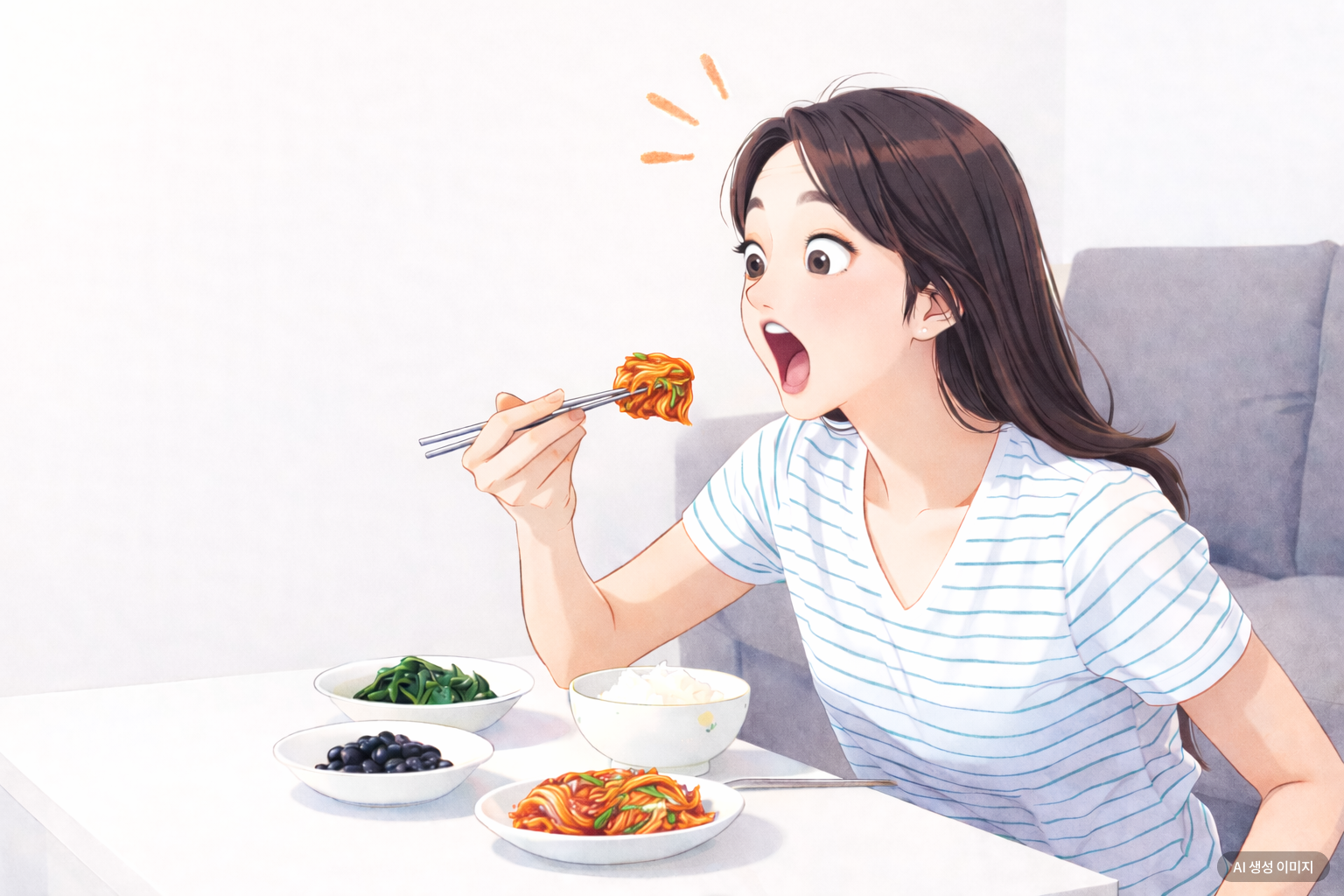
There has been a warning from experts that kimchi, a staple side dish on Korean tables, could potentially cause cancer. It has been pointed out that, depending on storage conditions, kimchi can actually be harmful to human health.
Moon Chang-sik, president of the Korean Society of Clinical Integrative Oncology and a board-certified surgeon, recently appeared on a YouTube channel to highlight key points to consider when consuming kimchi stored in the refrigerator. He stated, "While we carefully check the expiration dates of foods purchased at the supermarket, we tend to be more negligent with foods stored at home," citing kimchi as a representative example.
Kimchi is made by salting vegetables such as napa cabbage, adding seasonings, and then fermenting the mixture. During fermentation, lactic acid bacteria such as Leuconostoc and Lactobacillus are produced, resulting in an abundance of lactic acid and various organic acids. Director Moon said, "Kimchi is both a fermented food and an anti-cancer food," and added, "It contains a comprehensive range of nutrients."
Thanks to these components, kimchi is known to have positive effects on blood pressure, blood sugar, and triglyceride levels. In fact, overseas studies have also reported that consuming kimchi can help improve metabolic health.
The problem lies in storage conditions. If kimchi is left for too long or stored improperly, mold can form, and in such cases, Director Moon explained that it should not be consumed.
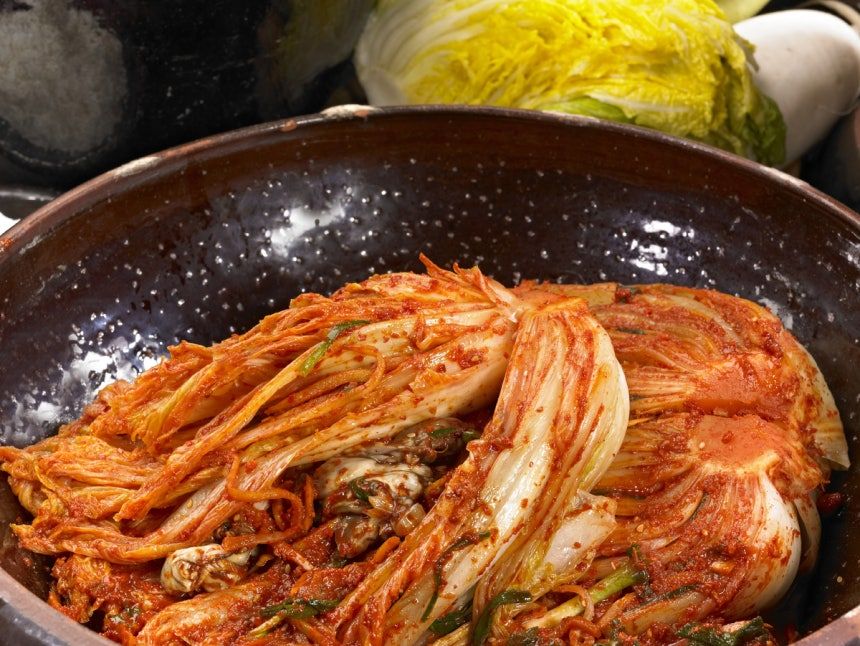
In particular, 'aflatoxin' produced by mold is a well-known carcinogen, and even a small amount can damage the liver, kidneys, and other organs. Moreover, this toxin is heat-resistant and cannot be completely eliminated by boiling or cooking.
Even if only part of the kimchi appears moldy, it is not safe to eat. Invisible spores and toxins may have already spread throughout the entire batch. If green, black, or blue mold is detected, it is safest to discard the entire container rather than try to remove only the affected parts.
White grains that appear on the surface of kimchi are often not mold. These are usually a type of yeast known as 'golmaji,' which forms naturally during fermentation.
If the surface forms a smooth, thin film, it is generally considered safe to remove and consume the kimchi. However, if the smell or color has changed or spoilage is suspected, it is best to avoid eating it.
Experts emphasize, "Although kimchi is undoubtedly beneficial to health, as a fermented food, storage conditions and the timing of consumption must be considered together," adding, "If any abnormal signs appear, it is safest to discard it promptly."

Seo Jiyeong zo2zo2zo2@asiae.co.kr
Choi Yujeong yjchoi@asiae.co.kr
© The Asia Business Daily. All rights reserved. Unauthorized AI training and use prohibited.