Surge in Oil Prices Drives Up Costs Across US Logistics Industry
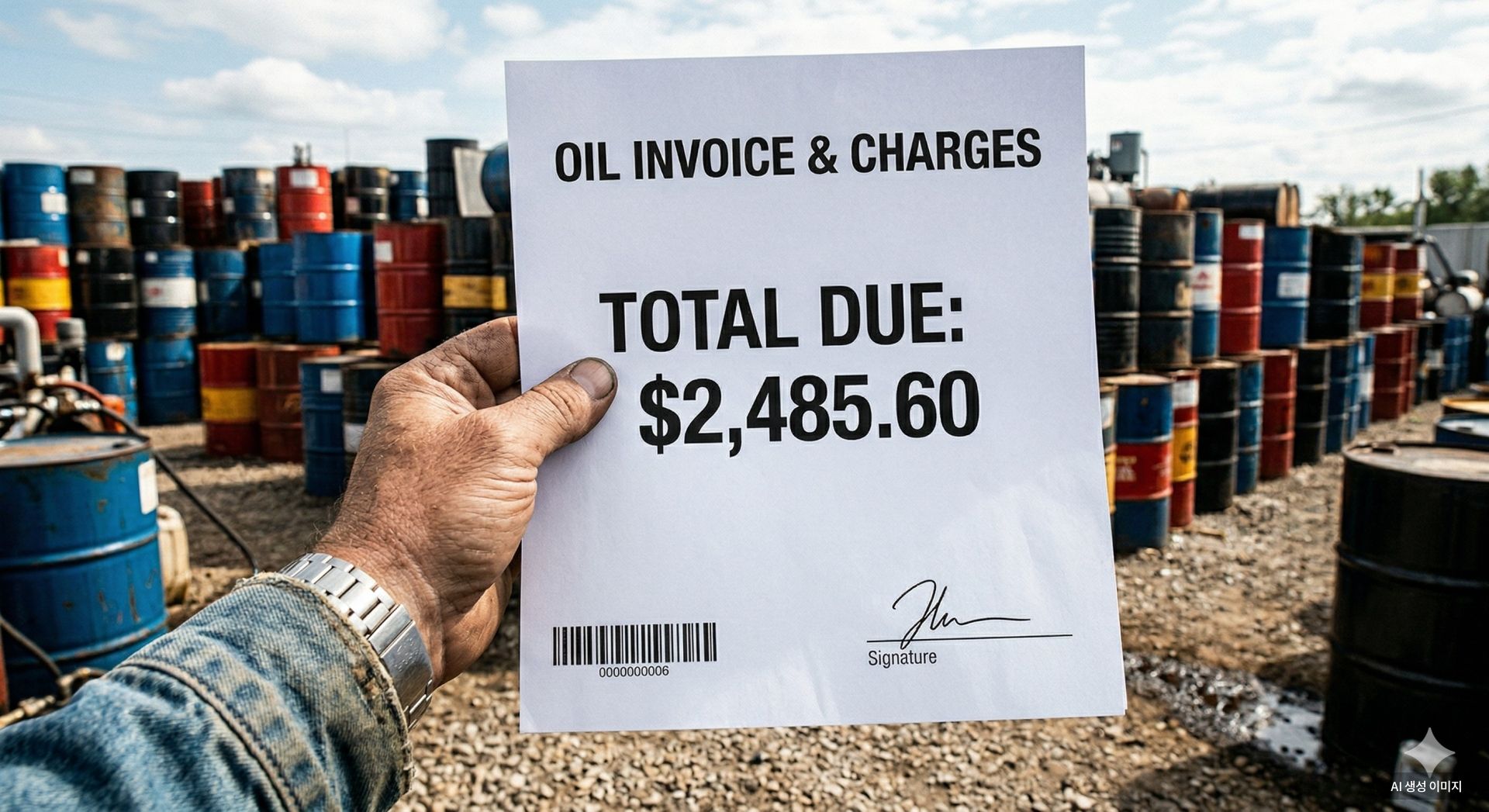
U.S. President Donald Trump announced in a national address on April 1 (local time) that the country would launch a major offensive over the next two to three weeks. In response, the U.S. logistics industry introduced new fuel surcharges amid growing fears over rising oil prices. As logistics costs are increasingly passed on to consumer prices, there are concerns that this could drive up the overall cost of living.

Amazon Introduces 3.5% Fuel Surcharge for FBA Sellers
Sellers Face an Additional Average Cost of About 17 Cents per Item
Expansion of Amazon Logistics Service Fuel Surcharge to All US and Canada Regions
On April 2, Amazon, the world’s largest e-commerce company, announced that it would impose a 3.5% fuel surcharge on sellers using its platform. Starting April 17, sellers using Amazon’s in-house delivery service, Fulfillment by Amazon (FBA), will be subject to a 3.5% fuel and logistics surcharge. This fee will apply to sellers in the U.S. and Canada who use Amazon’s logistics services, effective April 17. Beginning May 2, the surcharge will also be extended to sellers who use Amazon’s third-party logistics services, Buy with Prime and Multi-Channel Fulfillment (MCF), for orders placed on platforms other than Amazon.
USPS Raises Parcel Rates by 8% for the First Time in History
FedEx and UPS Also Significantly Increase Fuel Surcharges
Share of Fuel Costs in Shipping Fees Surges from 6.3% to 26%
Food Industry Faces Additional Delivery Charges Up to $65
Airlines Expand Higher Fees Even on Checked Baggage
Rising Costs Raise Concerns Over Inflation Passed to Consumers
According to Bloomberg and other sources, Amazon stated that FBA sellers will be charged an average additional fee of 17 cents per product, with the exact amount varying depending on the size of the item.
Facing a direct hit from soaring oil prices, Amazon has started to pass on costs more aggressively. The company said, “Operating costs across the industry have increased due to higher fuel and logistics expenses. Until now, we have absorbed these additional costs ourselves, but like other major carriers, if costs remain elevated, we will impose a temporary surcharge to offset some of the burden.” Amazon previously imposed a 5% fuel surcharge in April 2022.
Amazon is not the only company raising shipping rates due to higher oil prices. The United States Postal Service (USPS) will, for the first time ever, add an 8% surcharge to parcel shipping fees. The current rate for a medium express mail package, which is $22.95, will increase to $24.80 starting April 26. This rate structure will be in effect until January next year. Private companies such as FedEx and UPS also drastically raised their fuel surcharges last month. According to parcel data consulting firm ShipMatrix, the proportion of fuel surcharges in total shipping costs, which averaged 6.3% in 2020, surged to 26% earlier this month.
The rise in logistics costs has also been confirmed in the food distribution sector, where fast delivery is vital. According to The New York Times, U.S. food distributor UNFI imposed an additional $65 fee per delivery after the national average diesel price reached $5.38 per gallon in the fourth week of March. Major U.S. food distributors such as Sysco, US Foods, and Performance Food Group have also begun imposing fuel surcharges.

According to Macromicro, on this day, the American Automobile Association (AAA) reported that the national average diesel price in the U.S. stood at $5.51 per gallon. Diesel, widely used as truck fuel, had been trading at around $3 per gallon before the outbreak of conflict between the U.S.-Israel alliance and Iran, but has surged sharply in recent days.
Bloomberg reported that Amazon’s new fuel surcharge represents the company shifting the burden of rising fuel costs to its selling partners instead of consumers. However, The Wall Street Journal analyzed that whether the increased costs from the fuel surcharge are passed on to consumers depends on the sellers, but warned that it could eventually lead to higher consumer prices.
In his address the previous day, President Donald Trump announced plans for a large-scale strike on Iran and emphasized U.S. energy independence. He claimed that the U.S. does not import crude oil through the Strait of Hormuz and that the country is shielded from oil supply shocks. Nevertheless, mounting cost pressures due to oil prices are becoming evident across supply chains.
Airlines are also raising fees for checked baggage in addition to fuel surcharges. On this day, United Airlines announced that, starting April 3, it will increase checked baggage fees by $10 for tickets purchased for routes between the U.S., Mexico, Canada, and Central and South America. JetBlue Airways will raise its checked baggage fees by $4 to $9.
-

Reporter Oh Suyon syoh@asiae.co.kr
-
Edit Kang Dongwon kangdw76@asiae.co.kr
© The Asia Business Daily. All rights reserved. Unauthorized AI training and use prohibited.