Employment rate of elderly reaches 70.5%... Surpasses 70% for the first time since statistics began
Former Executives from Large Corporations Also Lining Up in the 'Part-Time Job Interview' Waiting Room
9.54 Million Baby Boomers Begin Their 'Second Employment War'
"I used to be unable to even place an order without my daughter, but now I am called the 'Kiosk Teacher'."
Choi Wonseok (64), who works as a 'Senior Crew' at a fast-food restaurant in Seoul Station, immediately approaches customers who hesitate in front of the kiosk to assist them with their orders. As this silver-haired gentleman skillfully helps with menu selections, young customers and foreign tourists watching him sometimes express their surprise.
A Fast-Food Restaurant's 'Senior Crew': A Staff Member in His 60s Helping with Kiosk Orders
Retired after 20 years in the workforce... Returned to service jobs after running a business
More than 120 middle-aged job seekers flocked to the Seoul 50 Plus recruitment briefing session
After working at a company for over 20 years and retiring early in his 50s, Choi went through running his own business and various part-time jobs before arriving at his current position. He said, "Thanks to the store manager patiently teaching me, I am now able to help customers who are like daughters to me," adding, "The greatest reward is being selected several times as an 'employee of kindness.'"
Even Former Executives at Top 10 Construction Companies Join the Line for Part-Time Job Interviews
9.54 million members of the second baby boom generation are now entering full-fledged reemployment competition after retirement
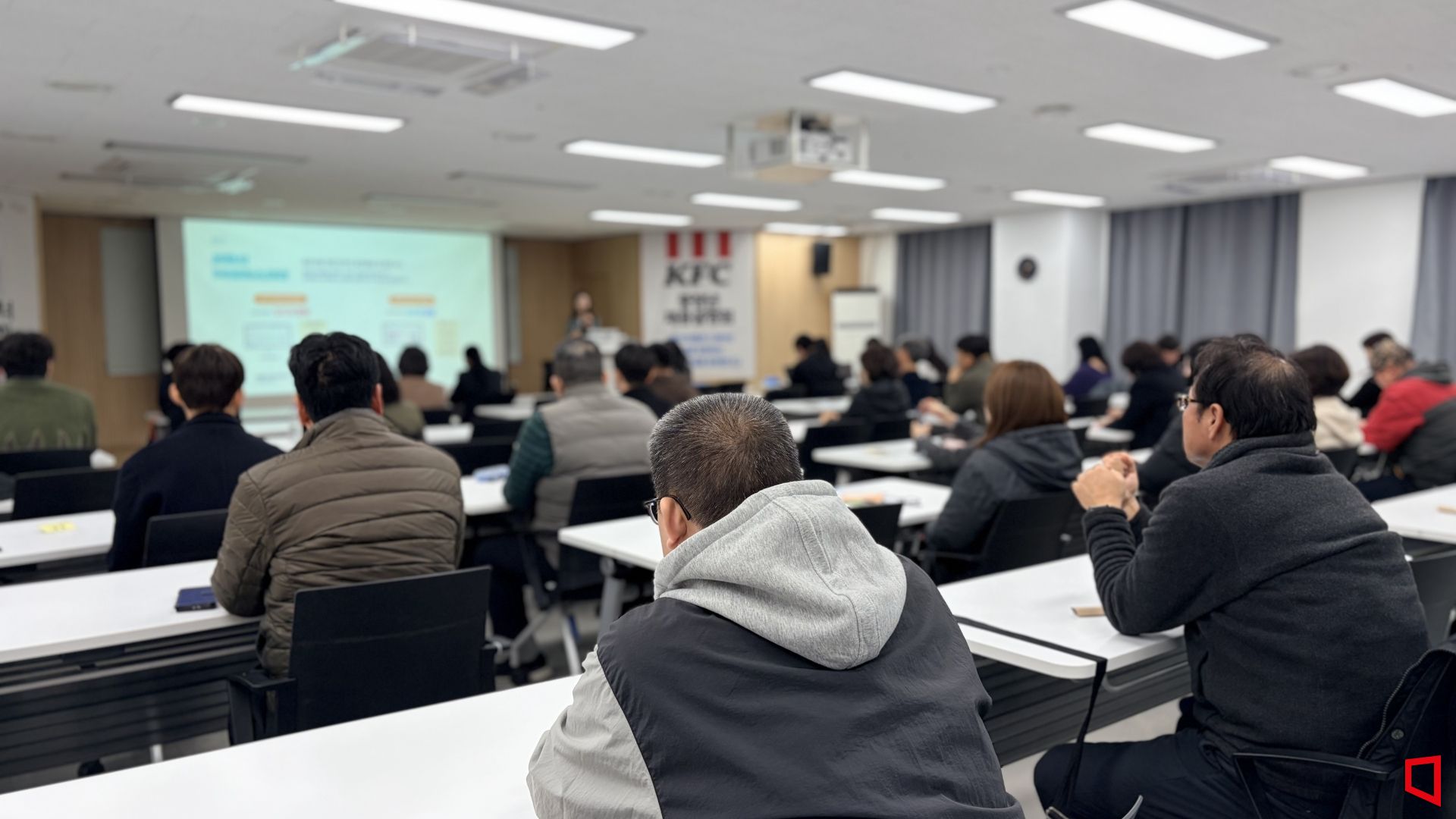
On March 11, during the KFC part-timer recruitment briefing held at the Seoul 50 Plus Central Campus in Mapo-gu, Seoul, over 120 middle-aged and senior job seekers like Choi, who had reentered the job market after retirement, gathered for interviews. Among the applicants waiting for their turn for an interview was Choi, a former executive of a top 10 construction company who once managed hundreds of employees. Choi said, "Many companies actually view my experience as a burden," but added, "I still don't want to stop working, so I keep trying whenever an opportunity arises." Song Younggeun (57), who spent the entire session taking meticulous notes, repeatedly checked the memo he had prepared for the interview. Having worked as a sales associate at an LG Fashion store and run a related business, Song said with a smile, "I had my first part-time job at KFC when I was nineteen, and now my goal is a full-time position."
Seeking a 'Second Act': From School Bus Drivers to Donation Planners
The job landscape for reemployed middle-aged and seniors is rapidly changing
As the retirement of the second baby boom generation (born between 1964 and 1974), numbering 9.54 million, becomes a reality, the job landscape for middle-aged and senior workers is rapidly evolving. There is a growing demand for a 'second act' in life, with people returning to work as fast-food restaurant part-timers, school bus drivers, and donation planners, sparking a second employment war.
According to employment trends for the elderly released by the Ministry of Employment and Labor on March 20, the employment rate for elderly workers rose to 70.5% last year, surpassing 70% for the first time since statistics began. The employment rate for the elderly is defined as the percentage of people aged 55 to 64 who work at least one hour per week. The labor force participation rate for the elderly shows a similar trend. This indicator, which includes those unemployed but willing to work, also hit a record high of 72.0% last year.
Average 15-year income gap after retirement, return to work for livelihood
Insufficient support for middle-aged reemployment... Need for flexible jobs raised
The main reason elderly people return to work is the 'income crevasse'—the income gap that stretches from retirement to the time they begin receiving pensions. According to an analysis of Ministry of Data and Statistics figures by the Seoul 50 Plus Foundation, the average post-retirement income gap lasted about 15 years. However, unlike the relatively well-developed employment support systems for youth and seniors, there is still criticism that reemployment policies for middle-aged individuals who are retired or nearing retirement remain insufficient.

Jung Soondul, professor of social welfare at Ewha Womans University, said, "The number of second baby boomers seeking jobs after retirement is increasing due to insufficient preparation for old age," adding, "Compared to Western societies where elderly flight attendants are active, Korea still lacks both policy incentives and a shift in social perception." She continued, "There needs to be a balance where the younger generation moves into core positions while older workers take on flexible hours or supportive roles. It is desirable to see more seniors participating in service jobs, such as those at fast-food restaurants."
-

Reporter Lee Jiye easy@asiae.co.kr
-
Edit Kang Dongwon kangdw76@asiae.co.kr
© The Asia Business Daily. All rights reserved. Unauthorized AI training and use prohibited.