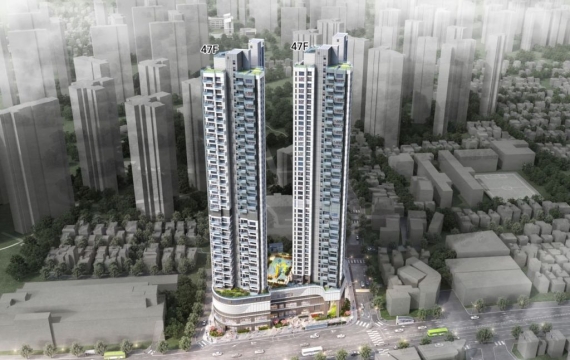
Hotel, after switching to permanent operation
Women in their 70s and 80s gather at weekday hotel buffets..."Communication matters more"
Active seniors pooling monthly savings flock to 20,000–30,000 won lunches
"I love that there are so many kinds of seasoned vegetables. Think how much work it would be to make all of these at home..."
Around noon on the 19th, at a three-star hotel buffet in Myeong-dong, Jung-gu, Seoul. As lunchtime began, instead of tourists, women in their 70s and 80s wearing bright scarves started lining up to enter. Jung Haengmi (74) walked into the buffet arm in arm with a friend who had just arrived, laughing like a schoolgirl. Most of the seats were occupied by older guests with graying hair. The hotel restaurant in downtown Seoul had become a modern-day community lounge for the "active elderly." While ladling out abalone porridge, Jung said, "My friends and I each put in 100,000 won a month into a rotating savings club and come out to eat at a hotel," adding, "My children are all grown now, so I want to spend money on my own body and happiness."

90% of guests are aged 60 to 80
Changes in consumption patterns among older adults
'Hotel lunch' is just an excuse...the real goal is 'communication'
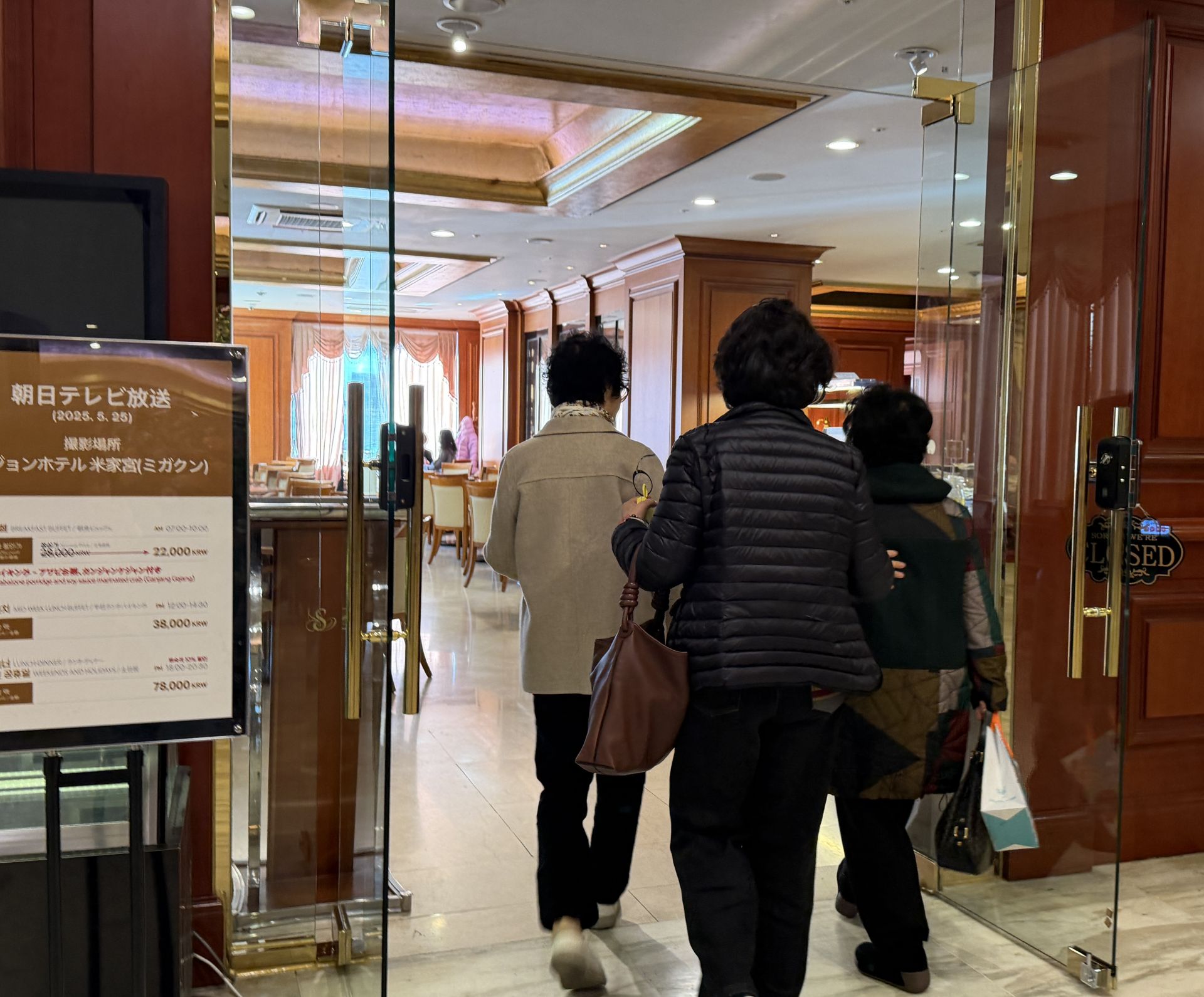
Social isolation is a risk factor for dementia
Experts recommend going out and maintaining social connections
As more "active seniors" (older adults who continue to enjoy leisure, consumption, and social activities after retirement and live proactively) choose going out and socializing by using reasonably priced hotel meals as a medium, the consumption landscape among older adults is changing rapidly.
The so-called "haljummas' (a portmanteau of halmeoni, grandmother, and ajumma, middle-aged woman) lunch" is far removed from the luxury of deluxe hotel restaurants where a single meal easily exceeds 100,000 won. Most of these are weekday buffets priced in the 20,000–30,000 won range, but for seniors this meal offers more than just food; it gives them a legitimate reason to leave the house. Lee (73), who lives in Gwangjin-gu, Seoul, said, "If I stay home, the day ends with just watching TV, but when I come out like this, I pick out clothes, put on makeup, and see people," adding, "The fact that we are spending time together is more important than the food." A hotel representative said, "After switching to permanent operation, more than 90% of our guests have become people in their 60s to 80s, and quite a few come alone," adding, "Naengmyeon, which stimulates seniors' appetites, is the most popular menu item."
Experts view this kind of scene as an alternative form of a "disintegrated community." Park Seunghee, a professor in the Department of Social Welfare at Sungkyunkwan University, said, "Commercial spaces are taking the place of traditional community rooms and neighborhood gatherings that have disappeared," and analyzed, "The act of coming out and communicating with others, even by paying money, is a kind of choice for survival." From a medical perspective as well, such outings by older adults are recommended. Choi Sunghye, a professor of neurology at Inha University Hospital and president of the Korean Dementia Association, explained, "Social isolation is one of the important risk factors for dementia," adding, "The very process of older adults having conversations and maintaining relationships is itself brain activity."
Long lines at free meal centers..."We must address polarization"

Hotel lunches are crowded, but free meal centers still see long lines
Consumption leaders vs. welfare-dependent...the challenge of polarization among older adults
Some observers warn that this new pattern of "senior consumption" could deepen polarization among older adults. According to the Ministry of the Interior and Safety on the 20th, South Korea entered a super-aged society in December 2024, as the share of the population aged 65 or older exceeded 20%. Senior consumption is also rapidly increasing. An analysis released late last year by the National Data Office showed that total consumption by people aged 65 and over in 2023 reached 243.8 trillion won, up 12% from the previous year. In particular, spending on leisure and dining out has increased significantly, creating a trend in which market leadership is shifting to older adults.
Professor Park pointed out, "While some older people maintain relationships with 30,000 won, there are still long lines at free meal centers in Seoul," adding, "Consumption polarization can lead to gaps in social relationships." She went on to suggest, "We need policy alternatives to bridge the divide between older adults who lead private consumption and those who depend on the welfare system."
-
Reporter Park Hosu lake@asiae.co.kr
-
Edit Kang Dongwon kangdw76@asiae.co.kr
© The Asia Business Daily. All rights reserved. Unauthorized AI training and use prohibited.