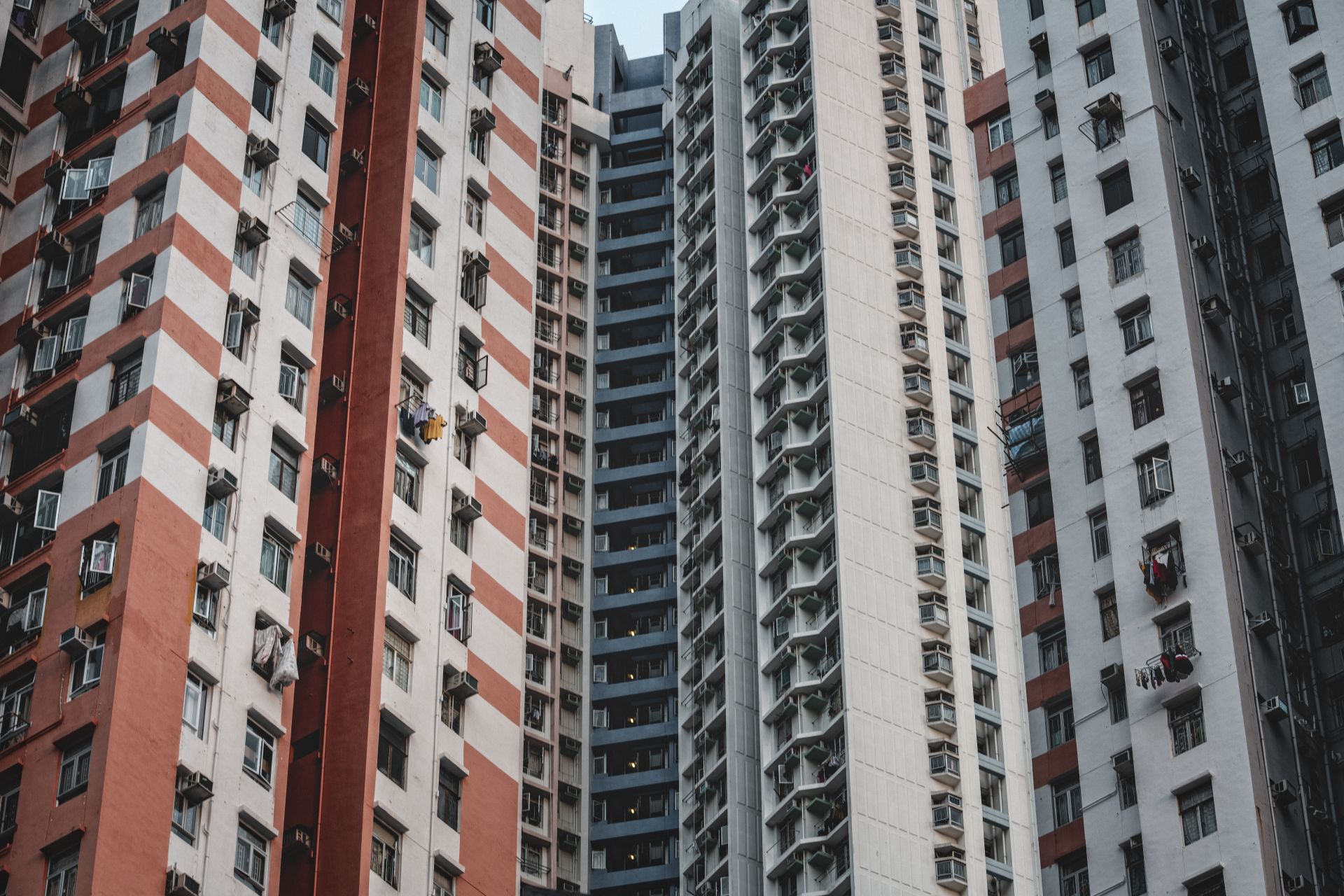


On February 3, Seoul Mayor Oh Sehun commented on the Ministry of Land, Infrastructure and Transport's plan to supply more than 10,000 housing units in the Yongsan International Business District, saying, "If the number of units is increased to more than 10,000, it will undermine the fundamental nature of the business district. Squeezing more households into the same area will inevitably create 'chicken coop apartments,' which do not constitute quality housing."
Oh Sehun: "Raising the residential proportion in the business district excessively... Damages quality housing"
Mayor Oh attended an on-site inspection of the Sampyo Remicon site in Seongdong-gu, Seoul, on the same day, and told reporters, "The Yongsan International Business District was designed with a planned ratio of residential and business functions that fits its nature as a business district. This is a matter that has already been agreed upon with the Ministry of Land, Infrastructure and Transport, but it now seems as if the Seoul Metropolitan Government is opposing housing supply and causing friction, which is unfair."
The Yongsan International Business District is a large-scale mixed-use development along the Han River in Seoul, and the Seoul Metropolitan Government originally planned to supply 6,000 housing units. In subsequent negotiations with the Ministry of Land, Infrastructure and Transport, Seoul proposed a compromise of 8,000 units, but the government announced through the January 29 urban housing supply policy that it would expand the supply to more than 10,000 units. The Seoul Metropolitan Government has maintained its opposition, arguing that this could disrupt the balance between business and residential functions.


"A farmer does not touch the seed grain"—Sharp criticism of the Ministry of Land's Yongsan plan
Mayor Oh continued his strong criticism, likening the Yongsan International Business District to "seed grain." He emphasized that the district is the last prime business area remaining in Seoul and is regarded as a model smart city, making it highly valuable. The mayor said, "No matter how urgent things are, a farmer does not touch the seed grain." He stressed, "While increasing the number of units may seem beneficial in the short term, undermining the essential character will lead to greater losses in the long run."
In closing, Mayor Oh added, "If the plan is changed, the project will inevitably be delayed, and if delayed, the actual supply timeline will move beyond the current government's term. It is not desirable to shake the ratios that have already been agreed upon with the Ministry of Land, Infrastructure and Transport."
-

Reporter ming@asiae.co.kr
© The Asia Business Daily. All rights reserved. Unauthorized AI training and use prohibited.