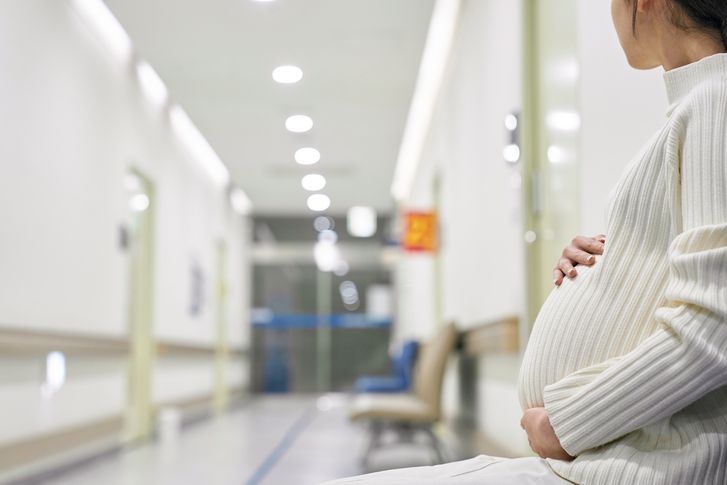
Controversy Over the Effectiveness of the Support Project for Childbirth in Vulnerable Areas
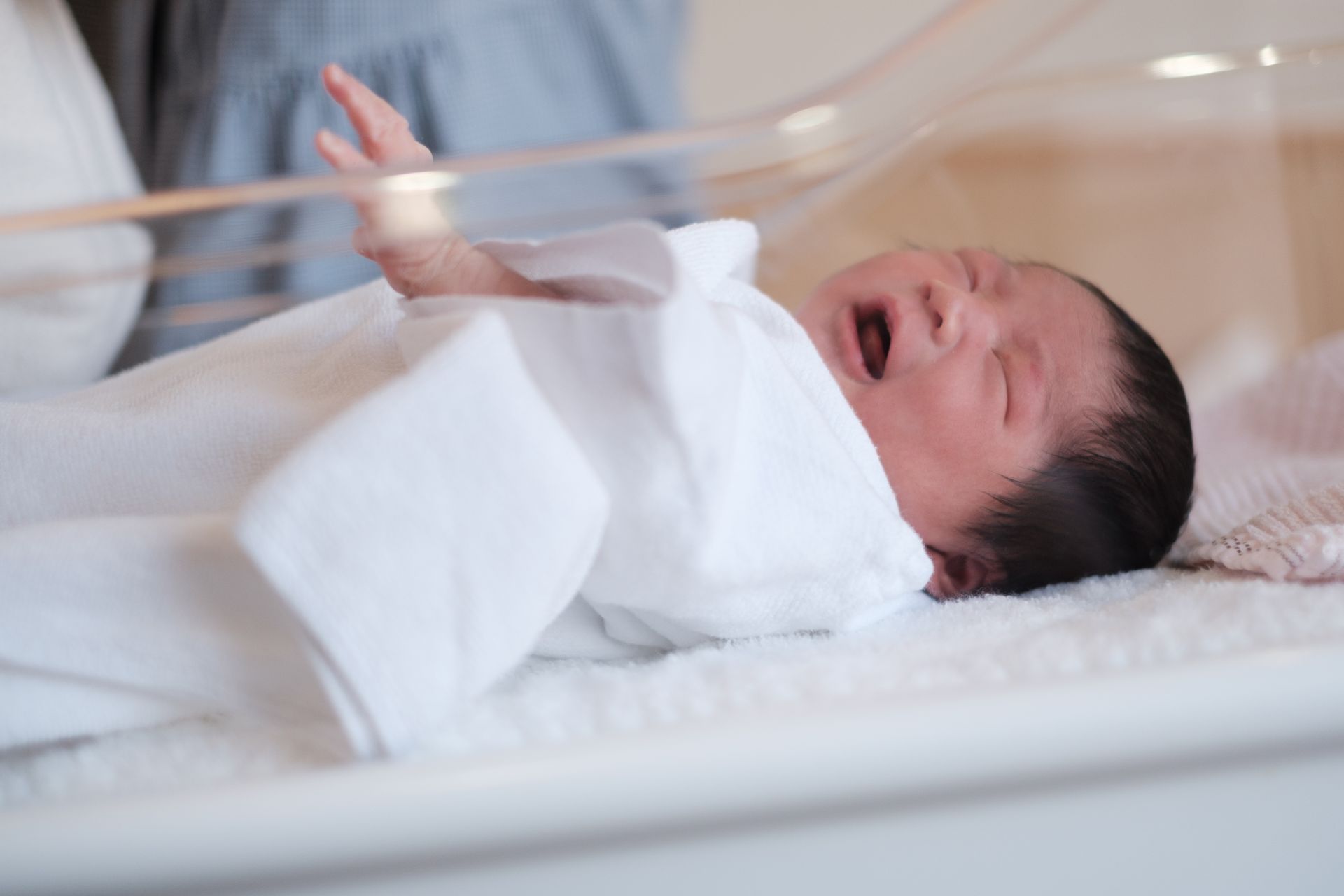
The Ministry of Health and Welfare's “Support Project for Obstetrics and Gynecology in Childbirth-Vulnerable Areas” is facing criticism for its lackluster results relative to its budget. Although tens of billions of won in taxpayer money are being invested in each region, nearly 20% of the institutions supported record only single-digit numbers of births per year.
According to data submitted by the Ministry of Health and Welfare to Assemblywoman Seo Myeongok of the National Assembly’s Health and Welfare Committee on January 13, as of 2024, 7 out of 36 supported institutions nationwide recorded single-digit annual births.
Single-Digit Births Despite Billions in Investment
The support project for childbirth-vulnerable areas was introduced in 2011 to improve medical accessibility in rural and fishing communities. The core of the project is to support the establishment and operation of delivery rooms in local medical institutions without obstetrics and gynecology departments. When newly selected, an institution receives 1 billion KRW for facilities and equipment such as delivery and operating rooms. Subsequently, 500 million KRW is provided annually for labor and maintenance costs. By the end of 2025, a total of 36 obstetrics and gynecology clinics have been selected and are receiving support.

Despite tens of billions of won in support, the number of births remains low. For example, at Yanggu Seongsim Hospital in Yanggu-gun, Gangwon Province, the number of births over the past three years (2022-2024) was just 0, 0, and 1, respectively. As of 2024, Geochang Red Cross Hospital in Geochang-gun, Gyeongnam Province, and Yeongdong Hospital in Yeongdong-gun, Chungbuk Province, recorded only 0 and 3 births, respectively. Utilization rates are also low. According to data from the Ministry of Health and Welfare, in Yanggu-gun in 2024, only 0.8% of the 116 babies born in the area were delivered at Yanggu Seongsim Hospital, which receives government support. Similarly, in Yeongdong-gun, Chungbuk Province, only 3.4% of the 88 babies born in the area were delivered at Yeongdong Hospital.
Mothers Prefer Large Urban Hospitals Capable of Handling High-Risk Cases
Childbirth typically involves regular checkups and scheduled hospitalizations. Mothers tend to prefer large urban hub hospitals capable of responding to high-risk situations over small local hospitals near their residences. The distance to these urban hub hospitals is not significant; in many cases, it takes about an hour by car to reach a regional general hospital that serves as a hub. This background is cited as a reason why the support for obstetrics and gynecology in vulnerable areas has not produced significant results.


Accordingly, there are calls to improve the system by enhancing support for obstetrics and gynecology departments at nearby hub hospitals, rather than forcibly maintaining small hospitals in vulnerable areas, in order to increase effectiveness. Assemblywoman Seo stated, “It is time to review whether the current project is genuinely helping local mothers and whether the budget is being used efficiently,” adding, “We need to move beyond simply increasing numerical accessibility and consider transitioning to a more efficient support system centered on hub hospitals.”
-

Reporter Choi Taewon peaceful1@asiae.co.kr
-
Edit Hong Jayeon hongzaa@asiae.co.kr
© The Asia Business Daily. All rights reserved. Unauthorized AI training and use prohibited.







