Lee Hyunhoon, Vice Minister of Health and Welfare, said,
Chest X-rays Excluded from Mandatory National Health Screening
Until now, all adults in Korea have uniformly undergone chest radiography (X-ray) as part of the national health screening program.
From now on, however, chest X-ray screening will be conducted regularly only for those aged 50 and older.
On December 31, the Ministry of Health and Welfare announced that the 3rd National Health Screening Committee of 2025 had reviewed and approved
"Plan to Improve Chest Radiography in National Health Screening" containing these changes.
"High Cost, Low Effectiveness" Assessment
Chest X-ray screening has mainly been conducted for the early detection of pulmonary tuberculosis.
However, the actual incidence of pulmonary tuberculosis has remained at a very low level.
According to the Ministry of Health and Welfare, the prevalence of pulmonary tuberculosis in Korea is about 0.04%,
and as of 2023, the rate of tuberculosis detected through national health screening was only 0.03%.
In contrast, the cost required for this screening has been considerable.
142.6 billion won per year has been spent solely on chest radiography,
accounting for about 21% of the total cost of national health screening.
In addition, the number of people undergoing chest X-rays during regular medical visits reaches 9 million per year,
and the inefficiency caused by duplicate testing has been continuously raised as an issue.
Ages 20-49 Excluded, Temporary Support for 70 High-Risk Occupations
Under the revised plan, starting in 2027, chest radiography will be conducted regularly only for those aged 50 and older.
Those in the 20 to 49 age group will, in principle, be excluded from screening.
However, to minimize gaps in tuberculosis management, high-risk occupational groups with a high risk of infection will receive temporary support as exceptions.
High-risk occupational groups include
▲Occupations such as healthcare workers who are legally required to undergo tuberculosis screening,
▲Workers at facilities vulnerable to infectious diseases,
▲Those handling respiratory hazardous substances, etc.,
including 70 occupations based on the Korean Standard Classification of Occupations.
Full Implementation after System Overhaul in 2027
The Ministry of Health and Welfare plans to conduct legal and institutional reviews to identify high-risk occupations,
build a database of screening targets and revamp the system,
and revise the standards for health screening implementation.
To this end, there will be a preparation period of about one year,
with full implementation of the new standards starting in 2027.
National Health Screening to Be Reorganized Based on Evidence
The Ministry of Health and Welfare stated that, starting with the reorganization of chest radiography,
it will comprehensively review changes in disease patterns, medical and scientific evidence, and test effectiveness,
and will revise existing screening items with low effectiveness,
introduce new necessary items through pilot programs,
and systematically reorganize the national health screening system.
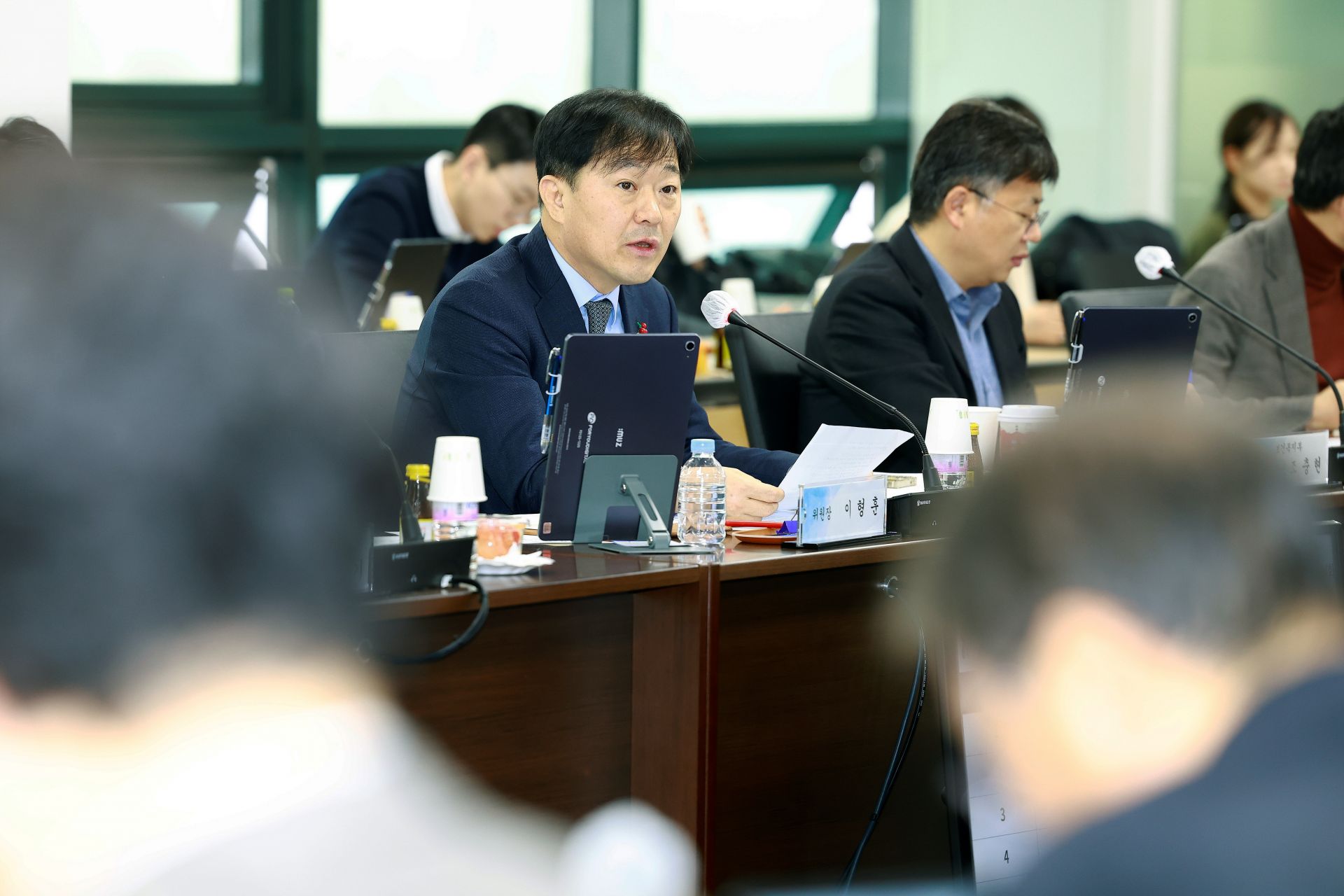
"This committee review is significant as it is the first time that national health screening items have been reorganized based on cost-effectiveness,"
"We will continue to periodically assess the validity of the screening items to create a more effective screening system for public health management," he said.