K-Food and K-Beauty Emerge as New Growth Pillars for Korean Exports
The food and cosmetics industries are emerging as new growth pillars for Korean exports. In 2025, Korea's exports reached a record high of $700 billion for the first time, and the export structure, which had been concentrated on certain manufacturing sectors such as semiconductors and automobiles, is gradually diversifying to focus more on consumer goods. Despite U.S. tariff barriers and a global economic slowdown, K-Food and K-Beauty continue to grow, forming a key part of Korea's export landscape.
Ramen exports hit a record high for 11 consecutive years, surpassing 2 trillion won for the first time this year K-Food Plus exports reached $12.3 billion from January to November, with an annual total of $13.5 billion Ranked by country: US, China, Japan... US-bound agricultural food exports increased by 14% compared to last year Exports of desserts and fresh foods such as ice cream and grapes also show growth With the spread of convenience foods, K-Food is becoming established in local consumption cultures
According to the Ministry of Agriculture, Food and Rural Affairs and the Korea Customs Service on December 30, K-Food Plus exports from January to November 2025 (provisional) reached $12.34 billion, up 4.6% from the same period last year. On an annual basis, exports are expected to reach approximately $13.5 billion.
During this period, agricultural and food exports totaled $9.38 billion, a 4.7% increase. By country, the United States accounted for the largest share at $1.65 billion, up 14.0% year-on-year. China followed with $1.46 billion, and Japan with $1.21 billion.
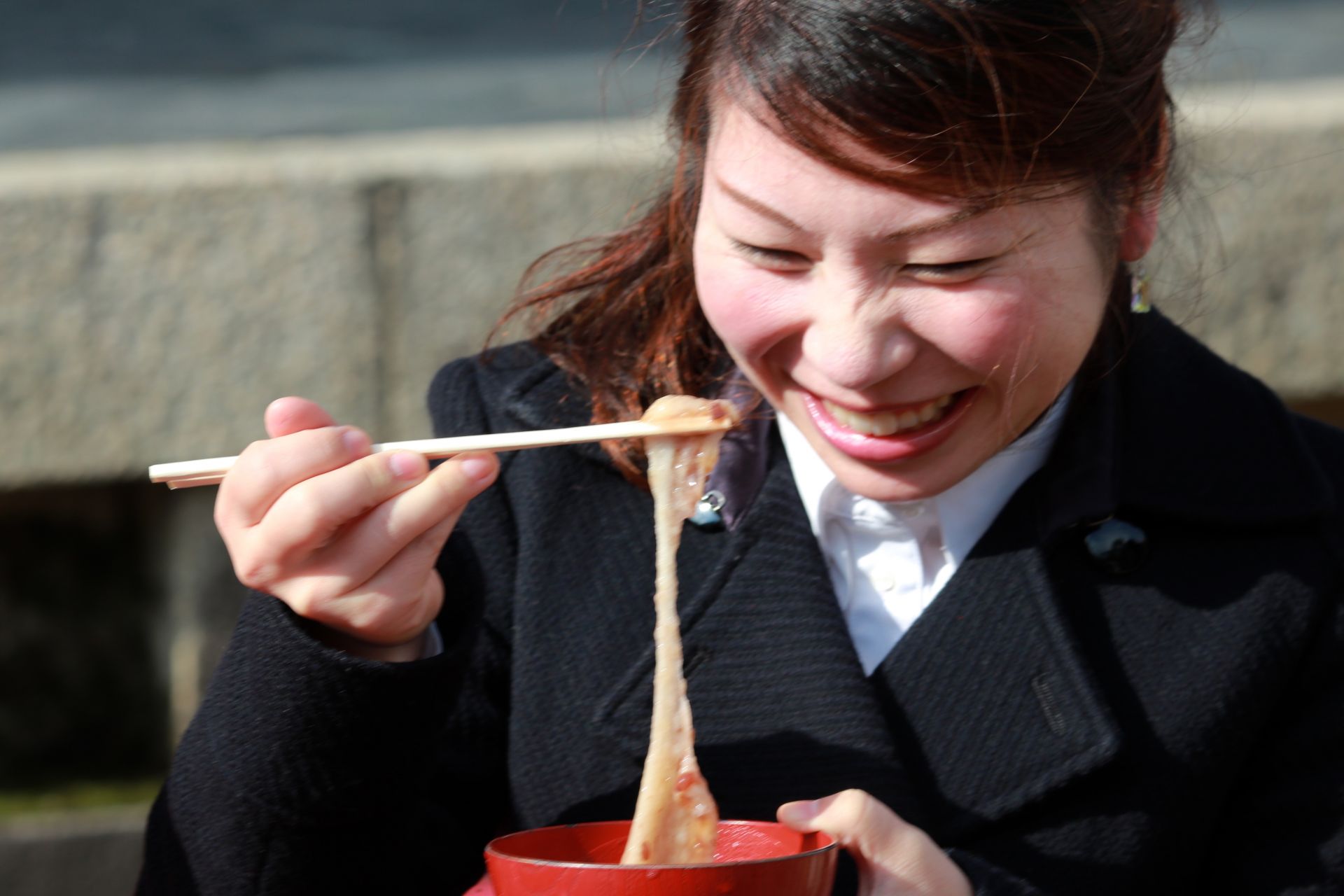
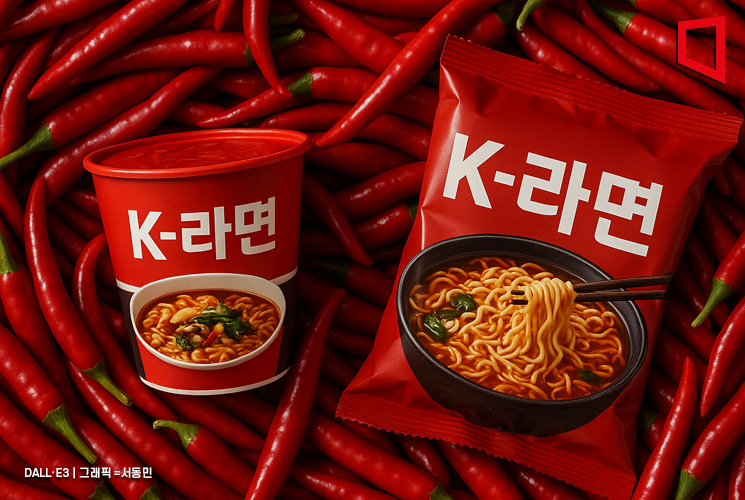
By product, ramen stands out as the clear leader. Ramen has established itself as the representative export item for Korean food. From January to November this year, ramen exports amounted to $1.38 billion, already surpassing last year's annual performance. In Korean won terms, exports exceeded 2 trillion won for the first time ever. This marks a record high for 11 consecutive years since 2015.
Ice cream and grapes also showed remarkable growth. Ice cream exports reached $110 million, up 20.8% from the same period last year, while grape exports rose 51.3% to $65 million. The expansion in overseas demand for convenience foods and desserts has led to increased exports of related products as well.
The growth of K-Food is now seen as having moved beyond a trend to become embedded in local consumption culture. Analysts attribute this to a combination of factors: increased brand awareness driven by the popularity of Korean Wave content in the US and Europe, rising demand for convenience foods, and growing interest in Korean food culture, especially spicy flavors.
The growth of the cosmetics industry is even steeper. By November this year, cumulative cosmetics exports reached $10.4 billion, up 11.4% year-on-year and setting a new record. Exports of basic skin care and color cosmetics alone totaled $8.55 billion, nearly matching last year's annual figure.
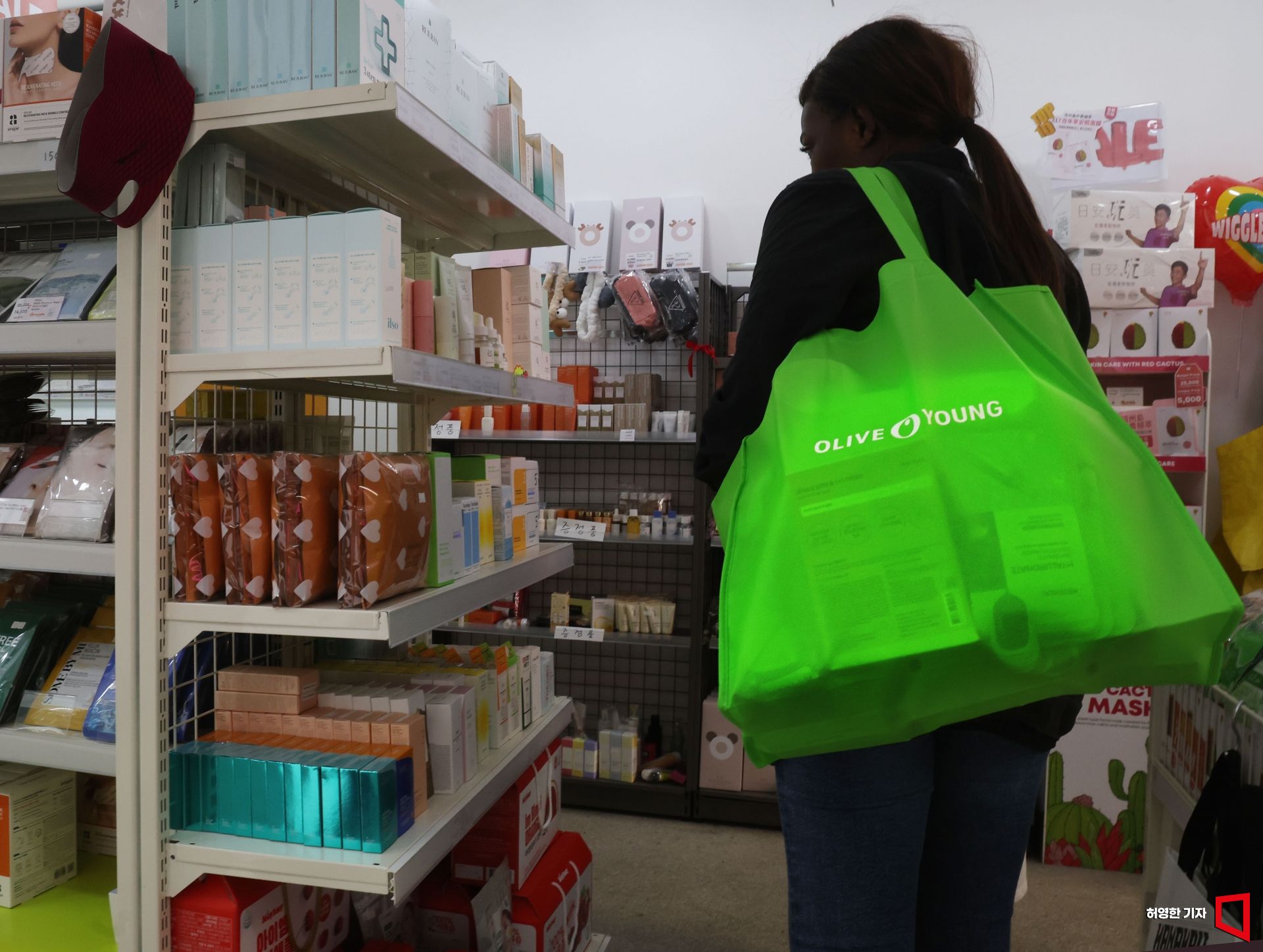
By country, the United States overtook China for the first time this year to become the largest export market for K-Beauty. From January to November, cosmetics exports to the US reached $1.61364 billion, up 13.6% from the same period last year. K-Beauty brands have ramped up their efforts in the US market, expanding beyond online-focused distribution to enter major offline channels such as well-known multi-brand shops like Ulta Beauty and large retail chains like Costco. Product categories are also diversifying from basic skin care to color cosmetics and hair care products. During the same period, exports of hair care products to the US surged to $95 million, a 28% increase year-on-year.
Cosmetics exports reach a record high of 10.4 billion dollars by November this year United States surpasses China for the first time to become the largest export market for K-Beauty Offline distribution expands significantly with increased entries into Costco and Ulta Beauty Triple-digit growth in Europe and the Middle East...Exports to Poland and UAE surge Government focuses on consumer goods exports as the next-generation growth engine
The regions with the most notable export growth rates are Europe and the Middle East. Exports to Poland, where K-Beauty distribution platform Silicontwo's European logistics center is located, reached $224.14 million, up 125% year-on-year. The UK followed with $165.7 million (up 37.2%), France with $107.64 million (up 77.7%), and the Netherlands with $89.94 million (up 24.5%). In the Middle East, exports to the United Arab Emirates (UAE), where Silicontwo has a logistics hub, reached $234.28 million, a 65% increase from the same period last year.
The government has announced plans to focus on consumer goods exports as the next-generation growth engine and to expand support. The goal is to increase consumer goods exports by 64% over the next five years to reach $70 billion by 2030. To this end, the government will expand trade insurance for consumer goods companies to 25 trillion won by 2030. Insurance premiums will be discounted by up to 30%, and new low-interest loan programs will be introduced for K-Beauty and food companies. Export marketing and raw material purchase funds will be provided at annual interest rates in the 2% range.
Lee Eunhee, professor of consumer studies at Inha University, said, "This year, K-Food and K-Beauty attracted attention thanks to the popularity of Korean content," adding, "Exports may continue to grow next year, but in the long term, the focus should shift from promoting individual brands to promoting the industry as a whole."