Following a stabbing incident at a pizza franchise store in Gwanak-gu, Seoul earlier this month, calls are growing to address the structural issues within the franchise industry. There is a rising consensus that practices such as excessive commission demands by headquarters-including differential franchise fees embedded in ingredient and equipment costs, and royalties-must be reformed.
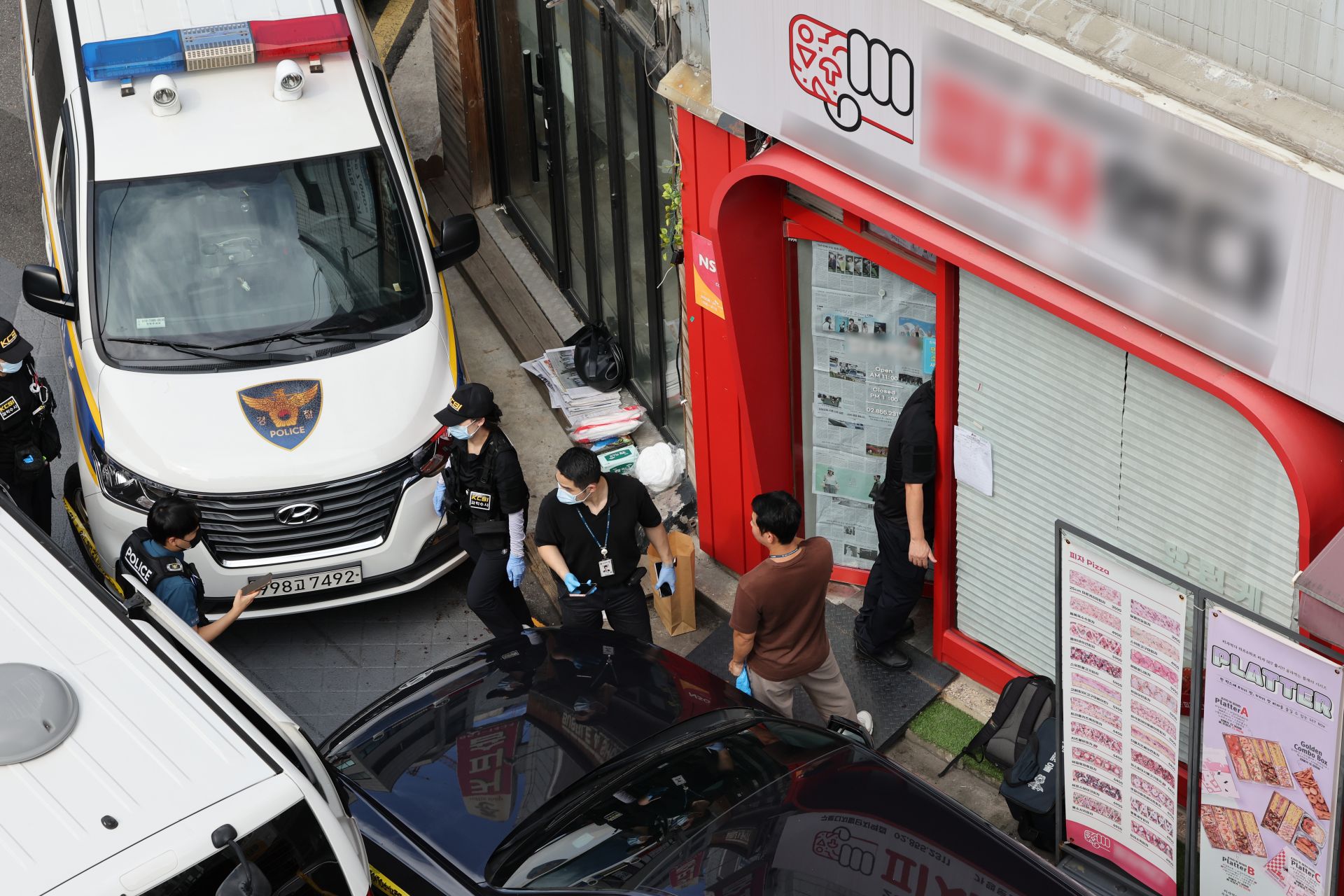
According to the food service industry and other sources on September 16, a franchisee of a pizza chain stabbed and killed a headquarters employee and interior contractors at his store in Gwanak-gu, Seoul, on September 3. It was reported that the franchisee had been in conflict with headquarters over store renovation work.
Gwanak Pizza Shop Stabbing Incident Sparks Conflict with Headquarters Interior and Equipment Costs Reach Tens of Millions... Increasing Burden on Franchisees Headquarters' Sales and Assets Soar... Franchisees Complain of Mounting Debt
Why Did the Franchisee Stab the Headquarters Employee?
It is reported that the franchise headquarters has collected approximately 57 million KRW from new franchisees for kitchen equipment and other start-up necessities. The franchisee's family told police that "the renovation was carried out by a contractor recommended by headquarters, but there were many problems such as leaks and broken tiles," and that there were frequent demands like "please add new menu items."
This pizza brand, which operates over 100 stores nationwide, began franchising in August 2021. Headquarters' sales more than doubled from 3.198 billion KRW in 2022 to 8.508 billion KRW last year. During this period, headquarters' assets increased from about 700 million KRW to 1.9 billion KRW.
More than half of franchise store sales go to commissions Endless pressure including differential franchise fees, renewals, and training costs Differential franchise fees for chicken restaurants increased from 21 million to 35 million KRW Legal lawsuits spreading... Multiple lawsuits against Pizza Hut, Puradak, BHC, and others
Many self-employed business owners have voiced concerns that franchise headquarters collect more than 50% of franchise store sales as various commissions, placing a heavy burden on franchisees. According to Seoul Metropolitan Government, the average start-up cost for a franchise store in Seoul last year was 113 million KRW, with interior costs accounting for the largest share at 45.6%. The problem is that franchisees must use contractors designated by headquarters and are required to undergo mandatory "renewals" every four to five years. Franchisees point out that "headquarters makes franchisees bear at least half, and sometimes all, of the renovation costs."
Franchisees Burdened by Differential Franchise Fees, Renewal Costs, and Training Expenses
The financial pressure continues even after opening. Most franchisees receive essential ingredients from headquarters, which typically supply goods at a markup, collecting so-called "differential franchise fees." When regular store renewal costs, POS system fees, advertising costs, and additional training expenses are added, 60-70% of sales flow back to headquarters. In fact, an analysis by Seoul Metropolitan Government of sales data from 186 franchise stores showed that ingredient costs supplied by headquarters accounted for the largest portion of operating expenses at 49.5%.
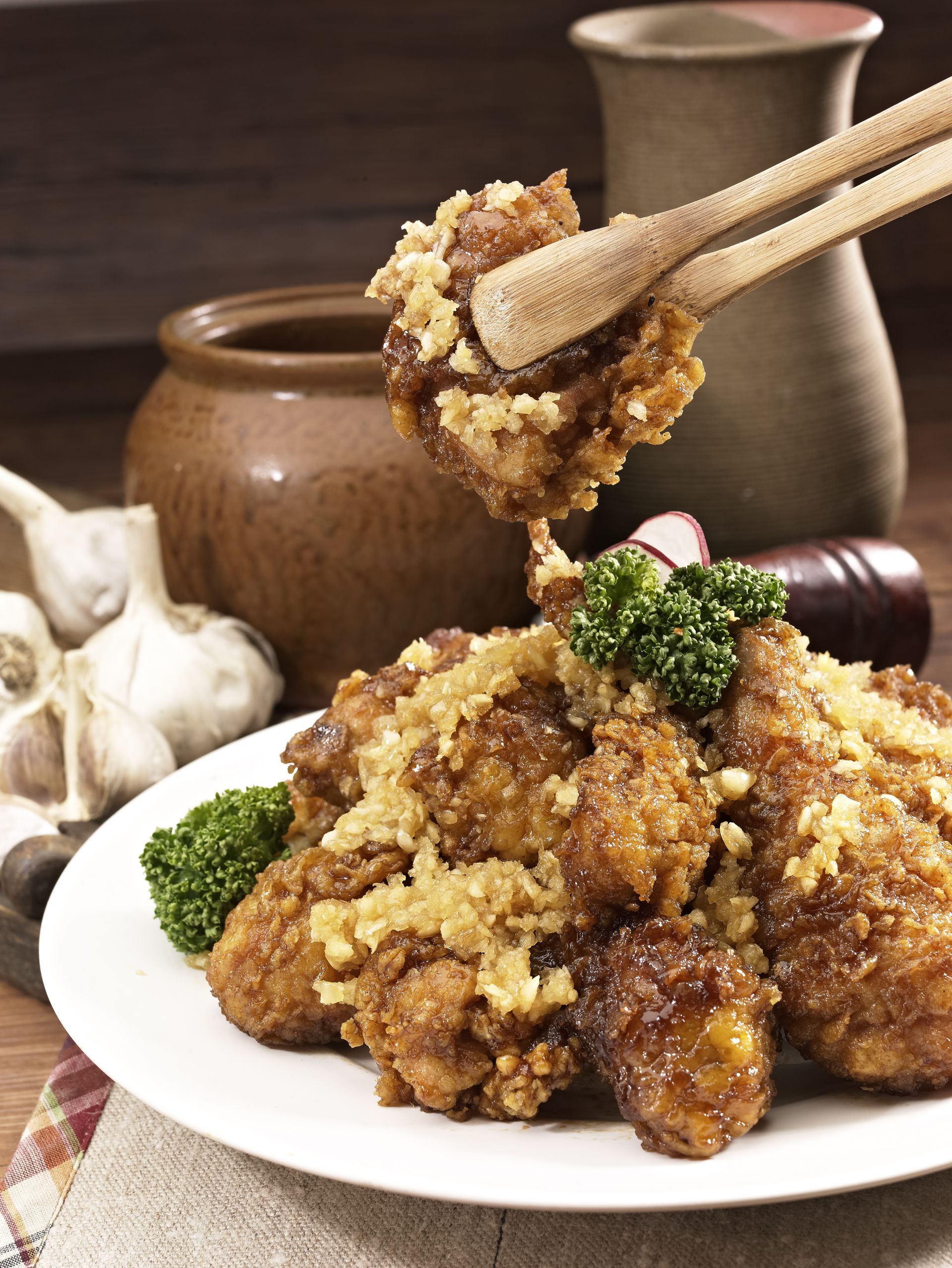
The average differential franchise fee per store was 23 million KRW in 2023. According to the "2024 Franchise Business Status Statistics" released by the Fair Trade Commission, the average differential franchise fee by sector was 35 million KRW for chicken, 22 million KRW for Korean food, 22 million KRW for coffee, 23 million KRW for bakery, and 21 million KRW for pizza. The ratio of differential franchise fees to average sales was highest for chicken at 8.6%, followed by coffee at 6.8%, bakery at 5.7%, Korean food at 5.1%, and pizza at 5.0%. The overall ratio for the food service industry was 4.2%.
Fair Trade Commission sanctions continue... Hansot and Domino also fined US and Japan guarantee franchisee rights through disclosure and restriction systems Amendment to the Franchise Business Act underway... Introduction of collective bargaining rights
This structure has ultimately led to legal disputes. In November 2020, over 90 Pizza Hut franchisees filed a lawsuit against Korea Pizza Hut for the return of differential franchise fees, sparking similar lawsuits involving Puradak Chicken, BHC, Baskin Robbins, Kyochon Chicken, and BBQ. The Pizza Hut lawsuit is currently awaiting a Supreme Court ruling, with both the first and second trial courts ruling in favor of the franchisees. Notably, the appellate court ordered Korea Pizza Hut to return approximately 21 billion KRW, causing a significant stir.
In addition to lawsuits, administrative sanctions are also increasing. Hansot, a lunchbox franchise, was investigated by the Fair Trade Commission for failing to pay 294.49 million KRW in renovation costs that should have been borne by headquarters for 36 franchisees, and last June, it submitted a voluntary correction plan. Cheong-O DPK, operator of Domino's Pizza, was fined 700 million KRW by the Fair Trade Commission in November 2022 for failing to pay 1.528 billion KRW in renovation costs to 70 franchisees.
Growing Calls for Amendment of the Franchise Business Act
Experts emphasize that this incident should prompt a comprehensive review of the Franchise Business Act. Although the Fair Trade Commission discloses the fee structures of headquarters through annual information disclosure statements, costs not specified in contracts, such as differential franchise fees, remain in a blind spot.
There are already many cases overseas where franchisee rights are institutionally protected. In the United States, the Franchise Disclosure Document (FDD) requires mandatory disclosure of 23 cost and condition items in franchise contracts, while in Japan, headquarters are strictly prohibited from forcing franchisees to purchase specific goods.
As conflicts between franchisees and headquarters become a social issue, political circles have also begun to take action. Protecting franchisee rights was one of President Lee Jaemyung's campaign pledges. The Democratic Party of Korea has included the "Franchise Business Act Amendment" among 224 key bills to be addressed in this regular session of the National Assembly. The amendment aims to grant franchisees collective bargaining rights similar to those of labor unions.
If the amendment passes the National Assembly this year, franchisees will be able to form associations and, when they request negotiations with headquarters regarding transaction terms, headquarters will be required to respond. Failure to do so will result in corrective orders or prosecution. This is expected to help rectify unfair transaction terms, such as unilateral contract termination by headquarters or forced purchases of specific goods. A franchise industry insider said, "If headquarters' excessive commission demands accumulate, franchisees will find themselves in an unsustainable situation," adding, "If these structural problems are not addressed, similar conflicts could arise at any time."
However, the franchise industry argues that if franchisee associations insist on purchasing necessary ingredients from other suppliers, it could undermine the core of the franchise business-consistent quality control. They also claim that a proliferation of franchisee associations could lead to a surge in disputes and stifle growth within the franchise industry.
IndexWhy&Next
"Pay This, Pay That": The Ultimate Commission Burden... Franchisees Owe Up to 35 Million KRW