[Turning My Home into a Senior House] ⑫-1
Apartments with 'Nochiwon' Increase More in Value
Apartments with 'Nochiwon' Increase More in Value
by Sim NaYoung
by Park Eugenie
by Kang Jinhyoung
by Kang Dongwon
Published 14 Feb.2025 15:50(KST)
This idea was first proposed over ten years ago at a Seoul City Urban Planning Committee meeting. An official in charge of reconstruction at Seoul City said, "Many of the professors on the committee were in their 50s and 60s, so they were very interested in aging issues."
During that meeting, opinions such as "People are getting older, but while we are told to increase daycare centers for children, why aren't we thinking about daycare centers for seniors?" and "There's nothing better than spending your later years being cared for in your own apartment complex" were voiced. These ideas came together and led to the policy of including daycare centers in reconstruction and redevelopment apartment complexes.
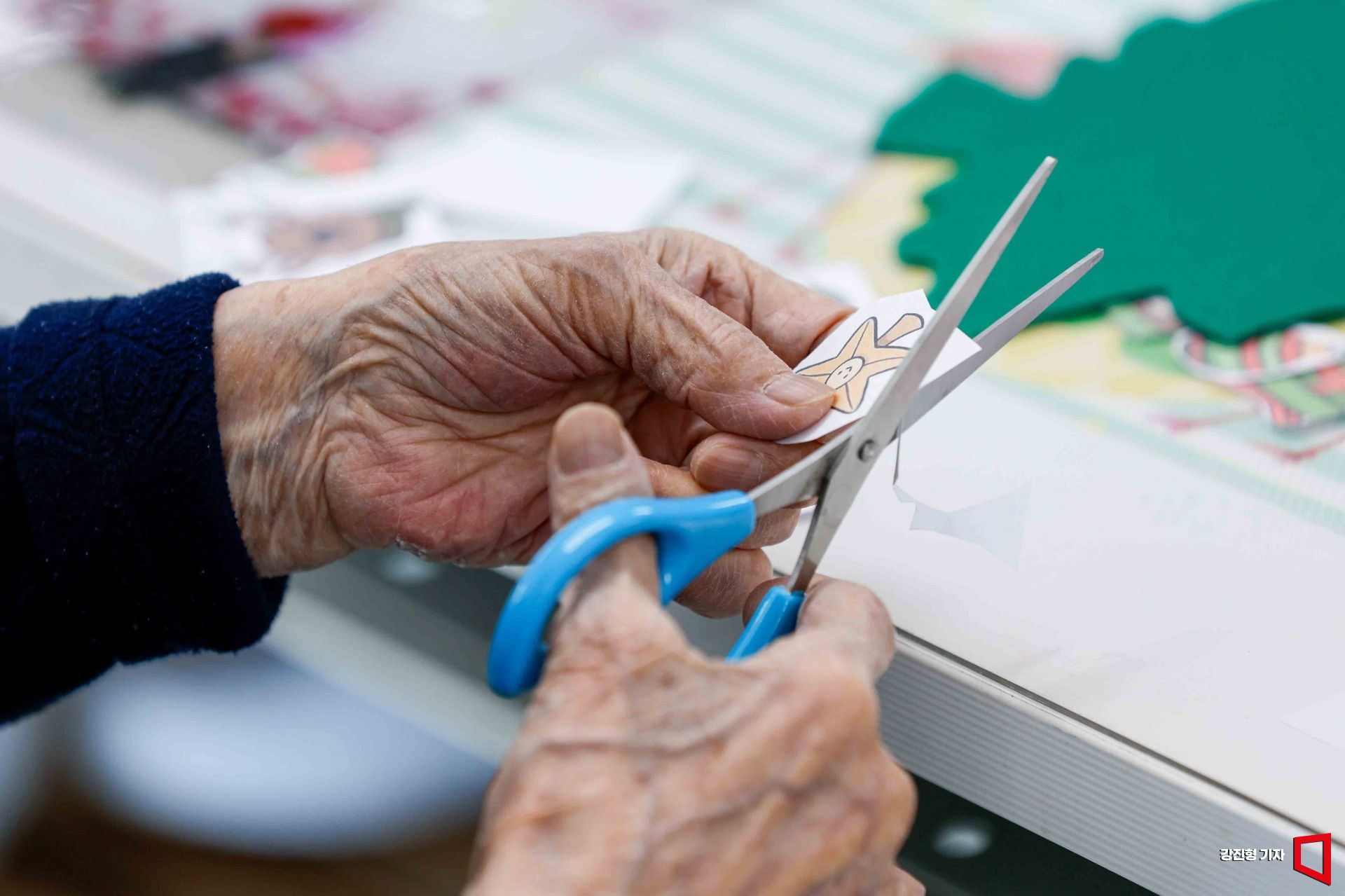
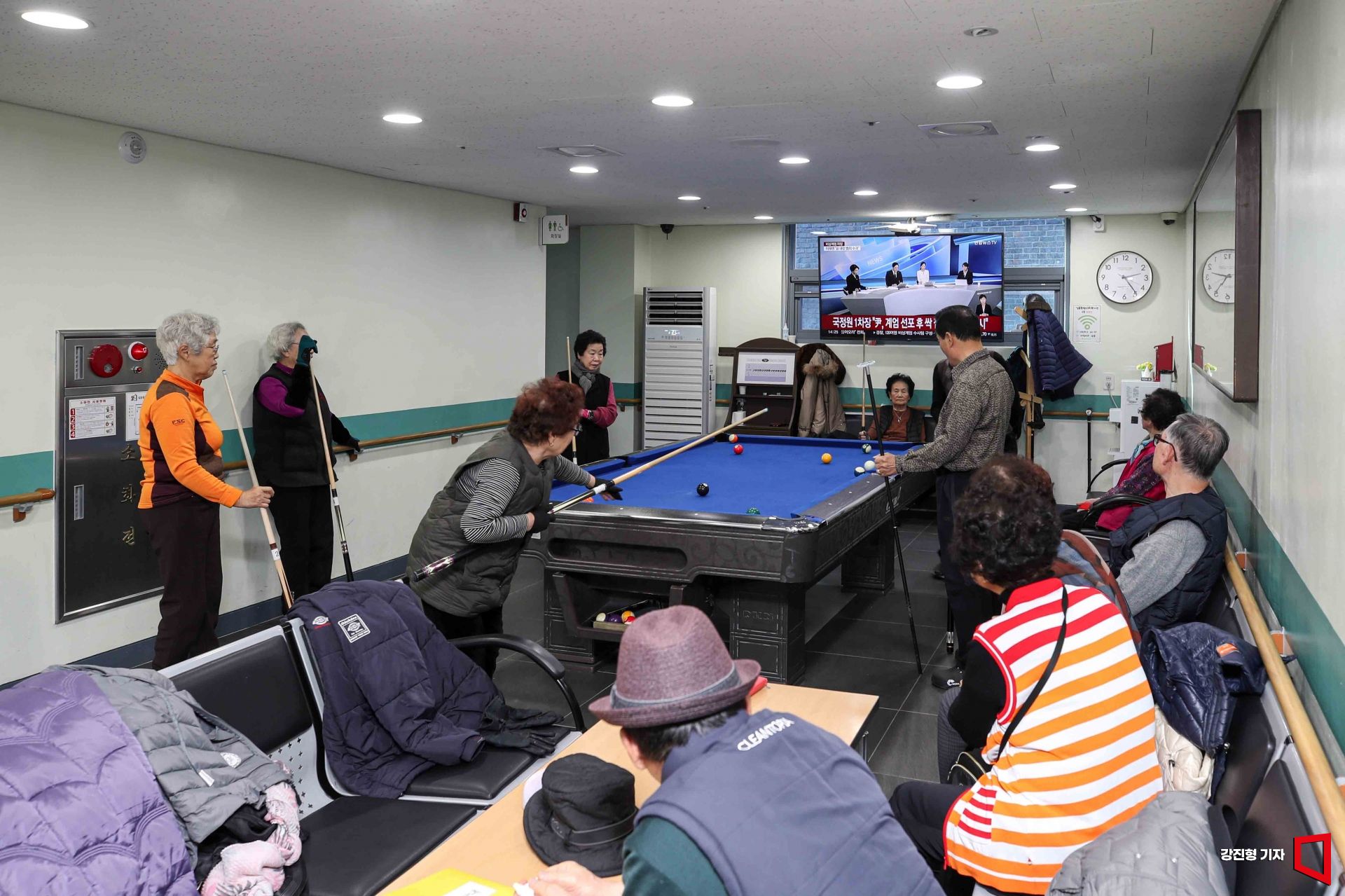
A daycare center is a facility that provides half-day care for elderly people who have difficulty with daily life due to early dementia or other issues. In reference to kindergartens, where children commute from their own homes, these are sometimes called "No-chiwon" (elderly kindergarten).

Since then, senior welfare facilities have gradually appeared near reconstructed and redeveloped apartment complexes in Seoul. In 2019, the Cheonho New Town Zone 2 association provided a 51㎡ (about 15 pyeong) space to open a visiting bathing and care facility. In 2020, the Gireum 1 Zone association supported a 2,600㎡ (about 800 pyeong) space to establish a comprehensive social welfare center with a daycare center. In 2023, a five-story nursing home was built in a new apartment complex near Susaek Station. This facility was created by the Susaek 13 Zone redevelopment association, which donated 2,800㎡ (about 850 pyeong).
Seoul City recommends daycare centers to associations when new large complexes with over 1,000 units are being built. They suggest it to associations that state, "We will use public contributions for social welfare facilities." Nam Junghyun, head of the Seoul City Apartment Housing Support Division, said, "While kindergartens are required by housing construction standards, there are no such standards for senior facilities like daycare centers," adding, "There is also some resistance among residents, making it difficult to build these facilities easily."
Therefore, when welfare facilities for seniors are built during redevelopment projects, the association is given incentives. Nam explained, "We recognize 1.4 times more public contribution for senior facilities than for general facilities of the same size." Last year, Yeouido Daegyo, Sibeom, and Seocho Jinhung Apartments, which are undergoing reconstruction, decided to include daycare centers.

On the 6th, elderly people are engaged in crafting activities at the Gireum Daycare Center in Seongbuk-gu, Seoul. Known as "Nochiwon" (Senior + Kindergarten), the daycare center is a facility that cares for the elderly who are not yet in need of nursing home care but have difficulty living independently due to early-stage dementia or other age-related illnesses (long-term care grades 1 to 5). Photo by Kang Jinhyung
원본보기 아이콘One out of every two seniors living in cities resides in an apartment. According to the "2023 Senior Status Survey Report," 55% of seniors living in "dong" areas reside in apartments. Detached houses accounted for 25%, and multi-family houses 20%. Kang Eun-na, a research fellow at the Korea Institute for Health and Social Affairs, said, "The baby boomer generation has a higher rate of apartment living than previous generations," and predicted, "The number of seniors living in apartments will surge in the future."
The main users of daycare centers within apartment complexes are the late-elderly (aged 75 and older), who often begin to experience chronic illnesses. According to Statistics Korea's population projections, the second baby boomer generation will all be over 75 by 2050. That year, late-elderly people will make up 23% of Seoul's population?1.83 million people.
These figures make one thing clear: "Welfare facilities to care for seniors must be built in apartment complexes as soon as possible." However, there is still a long way to go. As of October last year, there were only about 480 daycare centers in Seoul's 25 districts, with a total capacity of 15,600 people. This means only 2% of Seoul's late-elderly population (736,000 people) can be accommodated.
As the city ages but senior welfare facilities remain in short supply, some predict that the popularity of "No-chiwon apartments" will rise. Kim Hyosun, Chief Real Estate Specialist at NH Nonghyup Bank, said, "For seniors, having facilities in their own apartment complex where they can receive care and enjoy leisure is a major advantage," adding, "Apartments with daycare centers will become more desirable and this will be reflected positively in housing prices."
Sim NaYoung sny@asiae.co.kr
Park Eugenie genie@asiae.co.kr

Kang Jinhyoung aymsdream@asiae.co.kr
Kang Dongwon kangdw76@asiae.co.kr
© The Asia Business Daily. All rights reserved. Unauthorized AI training and use prohibited.