Other countries have 5 to 8%, but only 1.3% in Korea?
Editor's NoteThree years ago, when a 22-year-old young man was driven to kill his father due to financial hardship and caregiving labor?a so-called "caregiving homicide"?politicians rushed to promise new support laws, but their slogans ended up as empty words. Instead, local governments stepped in, labeling young people caring for sick or elderly family members as "family caregiving youth" and promised support policies. However, children who do not meet the age criteria for support remain in a blind spot. Hoping that no more children will be forced into caregiving without care themselves, this [Youth Trapped in Caregiving] series diagnoses the reality of youth caregiving labor and explores the way forward.
[Youth Trapped in Caregiving] ④Caregiving Youth Policy Risks Becoming Just an Empty Promise
A new question about family caregiving hours will be added to the National Population and Housing Census
Caregiving is difficult to measure by time... More discretion is needed
"Caregiving youth must be identified at the local township level"
It is a remarkable achievement that, three years after the issue of caregiving youth became known in Korea, dedicated agencies have been established and policy support such as self-care allowances and daily care services has increased. However, the wide blind spots where support cannot reach remain a challenge to be solved. Experts emphasize that accurately identifying the number of eligible recipients is crucial for supporting caregiving youth, and raise concerns that the current number identified in Korea is so small that the actual situation may not be properly understood.

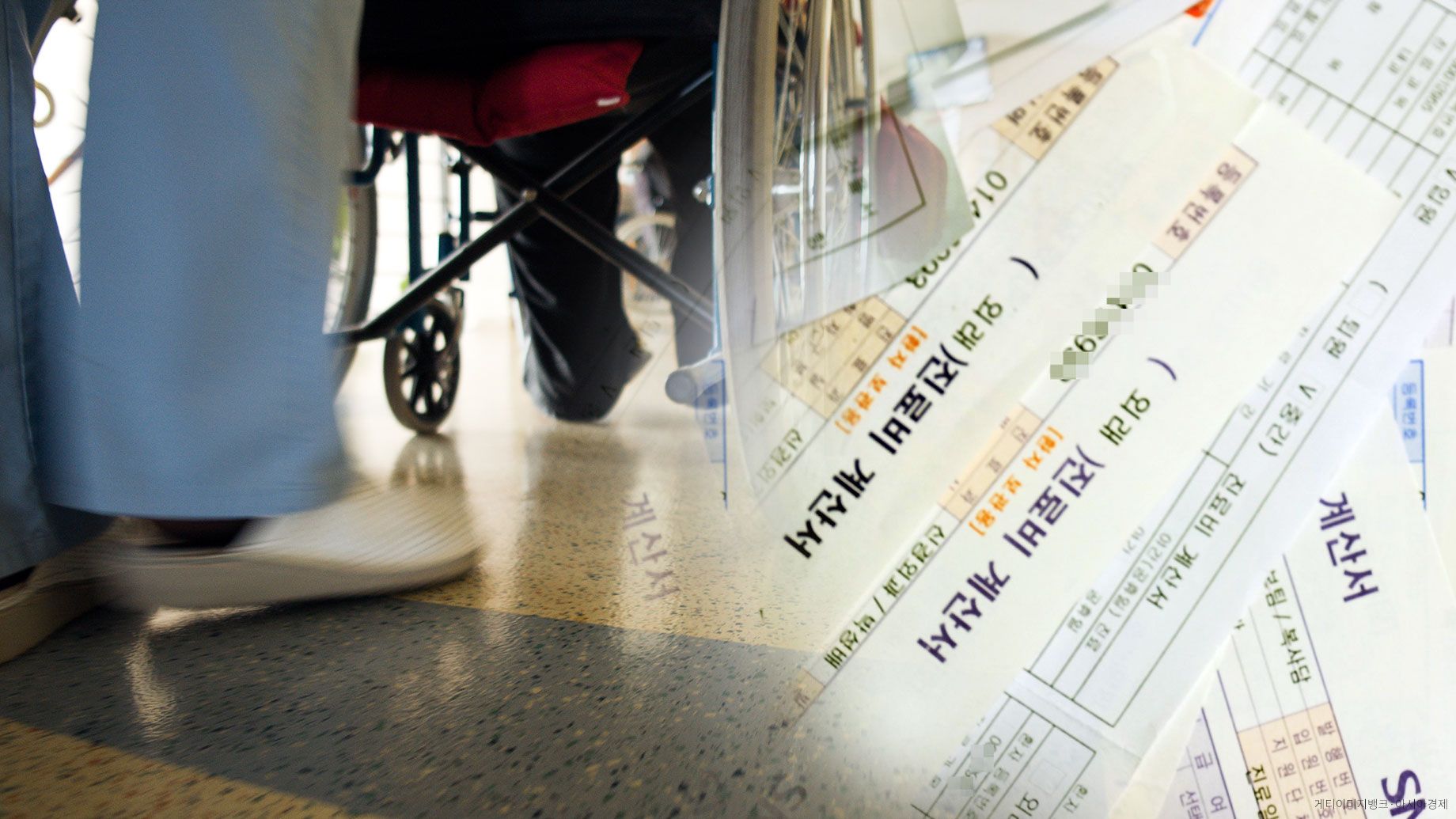
CEO Jo Gihyeon holding the medical bill received after his father, who suffered from dementia in the past, was hospitalized. Photo by CEO Jo.
원본보기 아이콘Family Caregiving Youth: 5-8% in Other Countries, Only 1.3% in Korea?
"The government uses the most conservative estimates"
"It is estimated that 4 to 5% of Korean youth also bear the burden of family care"
"The number of caregiving youth identified by the Korean government is far too low compared to other countries"
According to the "2024 Social Trends in Korea" report released by Statistics Korea on the 19th of this month, the estimated number of caregiving youth identified by the government is 153,000, which is 1.3% of the youth population aged 13-34. This estimate is based on the 2020 Population Census, focusing on ▲households with a family member needing care for more than 6 months, ▲no middle-aged (35-64) family members not needing care, and ▲youth aged 13-34.
In contrast, countries with active caregiving policies such as the UK (8% for ages 11-18), New Zealand (8% for ages 15-24), Italy (7.2% for ages 15-24), and Germany (5% for ages 12-17) estimate that 5-8% of their youth are caregiving youth. Ham Sunyu, Associate Research Fellow at the Korea Institute for Health and Social Affairs, who has proposed using the population census for family caregiving surveys since 2022, explained, "The government always uses the most conservative estimate for policy priorities," and added, "I believe that 4-5% of Korean youth are likely to bear the burden of family caregiving. This is a minimum estimate, counting only those with sick or disabled family members."
Even if we apply just 5% to Korea's youth population aged 13-34 (12.7 million as of November 2024), it is estimated that at least 635,000 young people are caring for their families. Although the survey age ranges differ by country, making direct comparison difficult, the number of caregiving youth identified by the Korean government is extremely low compared to other countries.

The government plans to add a question about family caregiving hours to the Statistics Korea National Population and Housing Census next year. Ham noted, "It is very welcome that family caregiving will be included in the census," but also pointed out the limitations of simply estimating the severity of caregiving by time. With such a conservative approach, next year's census could also end up being just an empty promise.
She criticized, "Family caregiving is an area where it is difficult to make quantitative judgments for each case. Even if two people spend 40-50 hours per week on caregiving, the burden is very different if one youth shoulders all the responsibility versus three or four family members sharing it. How can we accurately understand the reality just by measuring caregiving hours?"
She emphasized the importance of discretion, saying, "Interviewing the caregiver and care recipient one-on-one and visiting the household is necessary to understand the true burden and what support is needed." In the UK, managers dedicated to the Care Act provide tailored support for caregiving youth, including health and psychological assessments and education/training programs.
How to Reduce Blind Spots? Identify Caregiving Youth at the Township Level and Match Their Needs

"The metropolitan-level support system of the Youth Future Center is practically ineffective because it only reaches out to those who apply."
"Policies should be operated with a focus on discovery at the eup, myeon, and dong levels."
"The roles of school counselors and WeClass are very important."
Experts stress that the younger the caregiving youth, the less likely they are to recognize themselves as eligible for support, so policy should focus on "active identification." According to the Green Umbrella Children's Foundation's report on the "Current Status and Policy Improvement Measures for Family Caregiving Children and Adolescents" released last September, when caregiving youth were asked whether they considered themselves family caregivers, more than half answered "not sure" (49.5%) or "no" (7.0%).
Currently, the government's dedicated agency for caregiving youth, the Youth Future Center, exists in only four metropolitan areas: Incheon, Ulsan, North Chungcheong, and North Jeolla. However, experts agree that policies at the township level are needed to properly identify hidden caregiving youth. The Youth Future Center's metropolitan-level policies are limited in discovering caregiving youth in need of local support.
Jo Gihyun, head of the family caregiving youth community "Ninbun," pointed out, "The metropolitan-level support system of the Youth Future Center only reaches those who apply, so it is virtually ineffective."
Ham also noted, "To provide family caregiving services, it must be at the township level, not the city or province level, but there are only four Youth Future Centers nationwide," adding, "It's a setup that makes it difficult to run the program from the start." She continued, "Can a young caregiving youth from northern Gyeonggi travel all the way to the south of Gyeonggi to apply? In reality, it's just a platform where they say, 'Try applying,' but expecting more is unrealistic."
She also pointed out that schools should help identify caregiving youth. Ham said, "The roles of school counselors and programs like Wee Class are important. Even just conducting a self-check survey with two or three questions during annual family caregiving education can easily identify them. If psychological tests show excessively high depression or anger scores, examining the home environment often reveals caregiving youth." She added that frequent absences or failure to bring school supplies may also be due to family caregiving, making it easier for teachers to spot.
The chronic shortage of staff at the Youth Future Center is also a major problem. Supporting the independence of caregiving youth requires long-term assistance, but with only 14 staff members per center, proper management is difficult. Jo pointed out, "Although the Youth Future Center is designated as a 'case management agency,' with the current staffing level, it essentially means they are not managing cases. Caregiving youth often lack adults who can offer advice about the future, so even if they receive a self-care allowance, they do not know how to use it. This makes the role of dedicated staff even more important, but the roles of Youth Future Center staff are unclear."

How Do Other Countries Support Caregiving Youth?
Many countries require schools and hospitals to identify caregiving youth. The UK Department of Health and Social Care collaborates with the Department for Education and care-related NGOs to enable school nurses to identify caregiving youth within schools. In Australia, school staff take the lead in early detection and intervention. If a student shows ▲frequent tardiness or absences ▲problematic behavior in class, staff are required to closely observe and report the student's family caregiving status in the school records system.
In the UK, dedicated family caregiving managers also provide detailed case management for caregiving youth by age group. According to the Seoul Welfare Foundation's "Comparative Study of Overseas Family Caregiving Support Systems for Children, Adolescents, and Youth," the UK distinguishes caregiving youth into those needing care and support, those preparing for adulthood on their own, and those caring for someone younger while preparing for adulthood, and provides separate support for each group through "Family Caregiving Children and Youth Needs and Transition Assessments." The assessment includes questions about ▲level of isolation and loneliness ▲educational status ▲poverty status ▲relationships with friends, family, and partners ▲future plans, among others.
IndexDance that Birthed Cancer
- "I Don't Want to Go to Middle School": 12-Year-Old Jungwoo's Sigh
- Struggled but Became a 'Caregiver Killer': The Story of a 22-Year-Old Young Man
- "Caregiving Youth: 5-8% in Other Countries, but Only 1.3% in Korea?"