
In Depth
From Debt to Light
-
1
-
2

- 8 Million Won Became 100 Million in Two Years... "I Can Pay It Back Soon" - The Harder He Struggled, the More Debt Piled Up
-
"I knew it would be difficult, but I honestly never thought I wouldn't be able to pay it back." Ji Gyuhan, 30, whose name has been changed, first borrowed 8 million won. It was 2022, after he completed his military service, when he was looking for a job while caring for his widowed mother, who had difficulty moving around. When the effects of COVID-19 made it harder to find work, he took out additional card loans to cover rent, his mother's medical bills, and living expenses. He believed he would be able to repay the money once he found a job, but his job search dragged on with no end in sight. Each time a payment came due, he borrowed more to pay off the previous loan, a cycle known as "rolling over" debt. In just over two years, the original 8 million won loan had grown to more than 100 million won. Caring for Parents, Business Funds, Living Costs, and Borrowing to Invest... Why Did Young People Take on Debt?Our newspaper conducted in-depth interviews with 15 people in their 20s and
-
3

- Debt Adjustments Surge 70% in Four Years: 'Young Adults Trapped in Debt'... 10,000 Reapply Each Year [From Debt to Light]
-
For some, debt was a desperate choice. Others took it lightly, believing they could pay it back easily. Their starting points were different, but the outcome was the same. At some point, their debts grew, and paying them back began to seem impossible. They turned to debt restructuring to prevent delinquency or reduce what they owed. Some used it as a stepping stone to get back on their feet, while others found even their restructured debt too burdensome and ended up back at the same door. About 54,000 people in their 20s and 30s had debt restructuring plans approved so far this year. Last year, the figure approached 63,000, rising by nearly 70% in four years. The number of young people who reapplied after receiving debt restructuring once before also reached about 10,000 last year, up more than 30% in three years. These figures reveal the reality facing young people unable to escape the "debt trap" and the limitations of the debt restructuring system. Experts say fundamental measures a
-
4

- "Mom said all I had to do was sign"... A 22-year-old college student's life turned upside down
-
Thinking, "Because she's my daughter," she stamped the loan documents her mother handed her for a loan from a private lender. In 2017, her mother told Kim Suhye, 31, whose name has been changed, that all she had to do was sign the contract. "I knew it was a high-interest loan, but my mom said she could pay it back every month... and I was her daughter." At the time, her mother was already in debt as she prepared to start a cafe business. But after the business faltered and she could no longer get loans, she borrowed money in the name of her daughter, then a 22-year-old university student, and turned to private lenders. Days passed without her being able to pay even the interest, let alone the principal. The bank loans and private debts soon swelled to 30 million won. Before she could even take her first steps into adult life, she had become a delinquent borrower. All the bank accounts she had were frozen. Her movable property was seized, too, and bright red seizure notices were plast
-
5
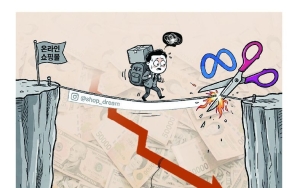
- Instagram Account Built Over 7 Years Vanishes, Leaving Her with KRW 300 Million in Debt... She Nearly Lost Her Jeonse Home
-
Jeon Yujin, in her mid-30s and using a pseudonym, opened an online clothing store in September 2021. She was confident because her seven-year-old Instagram account had drawn a strong response, with 1.6 million views. She designed and sold functional clothing for adult men and women. Thanks to patents related to the products, she borrowed a total of 310 million won in business funds with guarantees from the Korea Technology Finance Corporation (KIBO). Instagram Account Deleted, Then Scammed... Business Failure Left Her 300 Million Won in DebtHer business began to collapse in early 2022. One day, she woke up to find that her Instagram account had vanished without a trace. It was just as sales were starting to come in. Jeon said she had not done anything in particular to violate the terms of service. She filed more than 100 appeals with Meta, but the account was never restored. "I started the business because I was confident my Instagram account had established itself. But just as sales w
-
6
- "Playing Detective Like Solving a 10,000-Piece Puzzle"... Young People Turn to Law Firms Amid a Bureaucratic Maze
-
Some young people have to borrow again just to escape debt. Support programs are available to restructure unmanageable debt and help people get back on their feet, but with programs scattered across different institutions, figuring out which option is best can feel like navigating a maze. High barriers stand at every stage, from finding a way to repay debt to clearing it altogether. Faced with complicated application procedures and lengthy repayment periods, young people ultimately turned to law firms, accepting fees of several million won.Debt Restructuring Programs Vary...Finding the Right One Is Like Playing DetectiveYoung borrowers who spoke with The Asia Business Daily on November 25 said, "With not even a few hundred thousand won to our names, we had no choice but to pay several million won in fees and rely on law firms." They said that while struggling to make ends meet, they found it overwhelming to compare the support programs offered by different institutions, prepare the pap
-
7
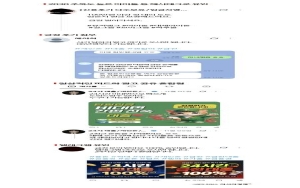
- "If You Don't Repay, I'll Leak Your Nude Photos"... The Trap of Illegal Private Lending Spreading Across Social Media
-
The loan came through in an instant. In as little as 30 minutes, or at most an hour, illegal private lenders whose names and phone numbers he did not know would lend him hundreds of thousands or millions of won. They did not require documents proving his income or employment. The collateral the lenders demanded from Park Jaehun, 27, whose name has been changed, was the names and phone numbers of 10 acquaintances he had recently been in contact with. He could not submit fake information. Hiding their own numbers, the lenders would start FaceTalk calls and make him share his phone screen, then check everything from his acquaintances' profile photos to their message histories. Just as easy as it was to get the loan, the repayment deadline came around quickly. The basic unit was "one week." The 300,000 won he initially borrowed had doubled to 600,000 won in a week. Unable to come up with the money, Park turned to other lenders to borrow more and pay off his existing debt. It was not diffi