
In Depth
Unlicensed Sherlock
-
1
-
2

- ② "Lost 200 Million Won, and They Say 'File an Objection'?"... Turns to Detective After Police Decline to Refer Case
-
Editor's NoteSix years have passed since the use of the title "detective" was permitted. Now, anyone can be called a detective simply by putting up a sign, but laws and systems to oversee the detective business remain inadequate. In the meantime, illegal activities such as illicit location tracking and privacy violations have spread covertly under the name of detective work. An irony has emerged: detectives are tracking illegal detectives, while even the industry is calling for the government to "create a system and regulate us." As investigations have become more prone to delays and civil disputes more complex since the overhaul of the criminal justice system, more citizens are turning to detectives. This article examines both the promise and the pitfalls of the detective business in South Korea and considers how it should be regulated to prevent harm to citizens. "I submitted more than 100 pages of documents to the police, but they found no grounds to refer the case to prosecutors. I
-
3

- 3: Bereaved Families Tired of Waiting, Police Overburdened by Investigations... Why "Detectives" Now?
-
Editor's NoteIt has been six years since the use of the title "detective" was permitted. Today, anyone can be called a detective simply by putting up a sign, but laws and systems to manage and supervise the detective industry remain inadequate. In the meantime, illegal practices such as unlawful location tracking and invasions of privacy have spread under the name of detective work. An ironic situation has even emerged in which detectives track down illegal operators, while the industry itself calls for a system to be established to regulate it. As investigations have become more prone to delays following reforms to the criminal justice system and civil disputes have grown more complex, more people are turning to detectives. This article examines both the promise and the pitfalls of the domestic detective industry and considers how it should be regulated to prevent harm to the public. "I want to know what happened to my daughter that day." The anguished voice of Jeong Sunmin, 54, who c
-
4

- ④ Korea Detective Association Chairman: "Legal Vacuum Has Only Fueled Illegal Operations"
-
"Detectives who strictly obey the law find it difficult to get the results their clients want." This is the reality of South Korea's private investigation industry, which Park Minho, chairman of the Korea Detective Association, candidly described. As private inquiry agencies that illegally collected personal information or followed people around simply changed their name to "detective" and continued operating, detectives who actually try to obey the law have been losing their place in the industry. To address this, Park stressed the urgent need to enact a Detective Business Act that clearly defines the scope of detectives' work and prohibited activities and enables illegal operators to be driven out of the industry.In a recent interview with The Asia Business Daily, Park said, "Detectives today are practically walking along the walls of a prison," adding, "Even when we work with good intentions on behalf of our clients, the line between legal and illegal is unclear, leaving us at risk
-
5
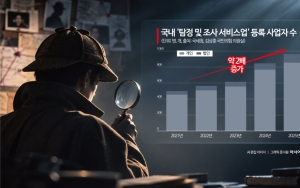
- Private Detective Businesses Nearly Double, but Revenue Plunges... '5 Trillion Won Potential Market' Trapped by Regulation [Unlicensed Sherlock] 5
-
Editor's NoteSix years have passed since the use of the title "private detective" was permitted. Now, anyone can be called a private detective simply by putting up a sign, yet laws and systems to regulate and oversee the industry remain inadequate. In the meantime, illegal acts such as unlawful location tracking and invasions of privacy have spread covertly under the name of private detective work. An ironic situation has also emerged in which private detectives track down illegal operators, while even the industry is calling for a system to be established to regulate it. As investigations have become more frequently delayed and civil disputes more complex following changes to the criminal justice system, more people are turning to private detectives. This series examines both the promise and the pitfalls of South Korea's private detective industry and explores how it should be brought under a regulatory framework to prevent harm to the public. The number of private detective businesse
-
6

- Detectives Chase Detectives... Illegal Private Investigation Agencies Flourish Amid Legislative Vacuum 6
-
Editor's NoteSix years have passed since the use of the title "detective" was permitted. Today, anyone can call themselves a detective simply by putting up a sign, but laws and systems to regulate and supervise the detective business remain inadequate. In the meantime, illegal acts such as illicit location tracking and invasions of privacy have spread covertly under the name of detective work. An irony has even emerged: detectives are tracking down illegal operators posing as detectives, and the industry itself is calling for a system to be established to regulate it. As investigations have become increasingly delayed following changes to the criminal justice system and civil disputes have grown more complex, more people are turning to detectives. This article examines both the benefits and the drawbacks of the detective business in South Korea and considers how it should be institutionalized to protect the public from harm. "I think someone keeps following me." On Aug. 27, a visibly
-
7

- #8 Sherlock Holmes' Homeland Has No "Detective License"... But It Does Have a "Certificate of Trustworthiness"
-
In Britain, the “home of Sherlock Holmes,” the state does not issue detective licenses. As in Korea, anyone who wants to can put up a detective sign and start operating. That does not mean everyone earns the trust of the industry, however. To fill the gap left by the absence of state vetting, Britain has developed its own verification system over more than 100 years. The industry has woven a close-knit web of checks to weed out unqualified operators. A prominent example is the Association of British Investigators (ABI), founded in 1913. The bar for joining is high. To become a full member, applicants must have at least two years of practical experience and no criminal record that would compromise their fitness to perform their work. They must also pass a rigorous screening process, including obtaining at least £500,000 in professional indemnity insurance and completing data protection training. Rather than issuing licenses, the state leaves it to a private organization to provide detec
-
8

- "A Job Even the Police Won't Do; I Thought He Was My Hope, but He Was a Sex Offender"... Korea Has No Detective Qualification Checks 7
-
Editor's NoteSix years have passed since the use of the title "detective" was permitted. Now, anyone can be called a detective simply by putting up a sign, but laws and systems to manage and supervise the detective industry remain inadequate. In the meantime, illegal acts such as unlawful location tracking and invasions of privacy have spread underground under the name of detective work. An ironic situation has even emerged in which detectives track down illegal operators, while the industry itself calls for a system to be established to regulate it. More citizens are turning to detectives as investigations are increasingly delayed and civil disputes grow more complicated following reforms to the criminal justice system. This article examines both the benefits and drawbacks of Korea's detective industry and explores how it should be brought under a regulatory framework to prevent harm to citizens. Hiring a domestic detective agency to conduct field investigations can cost several milli
-
9

- (9) The Future of the 'K-Detective' Beyond Private-Eye Agencies... Tackling Corporate Misconduct and Helping Report Stalking
-
Editor's NoteIt has been six years since the use of the title "private detective" was permitted. Now, anyone can be called a private detective simply by putting up a sign, but laws and systems to regulate and supervise the industry remain inadequate. In the meantime, illegal activities such as unlawful location tracking and invasions of privacy have spread covertly under the name of private detective work. An ironic situation has even emerged in which private detectives track down illegal operators, while the industry itself calls for a system to be established to regulate it. As investigations have increasingly been delayed following changes to the criminal justice system and civil disputes have grown more complex, more people are turning to private detectives. This article examines the opportunities and challenges facing South Korea's private detective industry and explores how it should be regulated to prevent harm to the public. In September 2035, a certified private detective firm
-
10
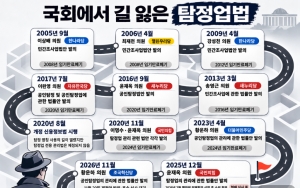
- 10: Turf Wars Put Public Protection on the Back Burner as Detective Bill Stalls for 20 Years
-
Editor's NoteSix years have passed since the use of the title "detective" was permitted. Now, anyone can be called a detective simply by putting up a sign, but laws and systems to regulate and supervise the detective industry remain inadequate. In the meantime, illegal acts such as unlawful location tracking and invasions of privacy have spread covertly under the name of detective work. An ironic situation has even emerged in which detectives track down illegal detectives and the industry itself calls for a system to be established to regulate it. As investigations are increasingly delayed and civil disputes grow more complex following reforms to the criminal justice system, more citizens are turning to detectives. This article examines both the benefits and drawbacks of South Korea's detective industry and considers how it should be institutionalized to prevent harm to the public. "Inadequate regulations on the detective industry and misconceptions about it contributed to the crime."T