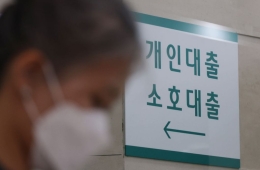
5,809 "Deficiencies" Found at Cold Wave Shelters... Nationwide Overhaul by Month's End
Joint inspections of more than 53,000 shelters nationwide
Missing or damaged signs account for 68.5%; map errors to be corrected
Following inspections of more than 53,000 nationwide cold wave shelters, authorities identified a total of 5,809 issues, including inadequate signboards and incorrect listings on map apps, and the government is launching a comprehensive effort to address them.

The Ministry of the Interior and Safety said on November 29 that it had inspected more than 53,000 cold wave shelters nationwide from October 21 to November 11 with relevant ministries, including the Ministry of Health and Welfare and the Ministry of Employment and Labor, and 16 cities and provinces. The inspections identified 5,809 deficiencies, which are to be addressed by November 30.
There are currently more than 66,000 designated cold wave shelters nationwide. However, financial institutions and post offices newly designated this year under business agreements with the ministry were excluded from this round of inspections. Inspection teams focused on 10 items, including the condition of information signs, whether heating was operating, and user convenience.
Cold wave shelters are a program introduced in 2019 to protect older people and others vulnerable to extreme cold. Their numbers have expanded, primarily at community facilities such as administrative welfare centers and financial institutions, where people can briefly warm up.
By type, the largest share of deficiencies involved missing or damaged information signs, with 3,982 cases (68.5%). These were followed by inadequate guidance or materials on how to report inconveniences, with 1,558 cases (26.8%), and incorrect location listings on private map apps such as Naver Map, KakaoMap, and T Map, with 269 cases (4.6%).
The ministry will share the inspection results with local governments and address all identified issues before the severe cold begins in earnest next month.
First, to help people easily find and use shelters, accurate information, including addresses, locations, and operating hours, will be entered into private map apps for sites that are missing or incorrectly listed. New signs will be installed at shelters without them in visible locations near entrances, and damaged signs will be replaced. The ministry also plans to post staff contact information and instructions on reporting inconveniences through the Safety e-Report app and website inside the shelters.
During the winter cold wave response period, from November 15 to March 15, 2027, local governments will work with organizations such as regional volunteer disaster prevention groups to regularly check that heaters are working properly and informational materials are available, and immediately address any deficiencies. The ministry will also continue on-site inspections of shelter operations with relevant ministries and local governments.
Hot Picks Today
 "Two Spend 500,000 Won in a Flash, Yet Wait Two Hours?" ... 'Dreamland' Shunned by Kids and Foreign Tourists
- The Era of Getting 200 Million Won After 30 Years Is Over... A Japanese Bank's "Perpetual Department Head" Who Just Clocked In Cries Out
- Spain Hit by Its Worst Tragedy... Lee Kangin, Moreno and Real Madrid Join Soccer World in Mourning
- They Said, “Make It Your Home for Life” - Then Suddenly Kicked 200 Passengers Off... What Happened to the Around-the-World Cruise?
- "130 Rice Bowls Sold Out in a Day"... 'Unfiltered Face' Adds 8 Million Won to Night Market Sales: China's Bungeunwoo
Kim Yong-gyun, head of the Ministry of the Interior and Safety's Office of Natural Disaster Management, said, "We will work harder to provide accurate information about cold wave shelters and improve their operation so that people can find and use them without inconvenience this winter."
© The Asia Business Daily. All rights reserved. Unauthorized AI training and use prohibited.