Feeling Foggy and Tired the Day After a Year-End Party? Check Your Liver, Stomach and Sleep Health [Health Check!]
Avoid frequent drinking and get plenty of rest
Finish drinking 3 to 4 hours before bedtime
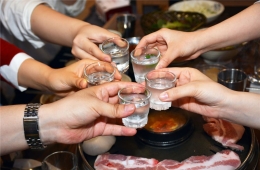
If you feel unusually tired and foggy the day after a year-end gathering or work dinner, you should pay attention to your liver, stomach and sleep. It is easy to dismiss these symptoms as a hangover, but repeated excessive drinking can slow the body's recovery and lead to liver conditions such as fatty liver disease.

According to medical professionals on Nov. 28, fatigue, loss of appetite and mental fog the day after drinking result from a combination of inflammation during alcohol metabolism, dehydration and sleep disruption. These symptoms do not necessarily mean that liver function has deteriorated. However, late nights, irregular meals and frequent drinking often coincide at year-end, making it easy for the liver, stomach and sleep rhythms to all be disrupted at once.
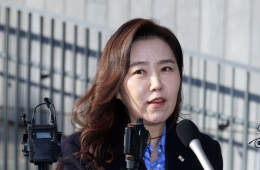
Cho Hyun, a professor of family medicine at Soonchunhyang University Seoul Hospital, said, "It is easy to dismiss fatigue after drinking as a simple hangover, but repeated excessive drinking can have a negative impact on health over the long term."
Taking a break from alcohol is important for protecting liver health. It is best to avoid drinking for at least two to three days after a work dinner, and the longer the period without alcohol, the better it is for the liver. There are no particular foods that speed up alcohol breakdown or directly restore the liver. Instead, eat balanced meals that include protein and vitamins, and drink plenty of water to prevent dehydration.
Frequent excessive drinking at year-end can also take a toll on the stomach. Combining heavy drinking with fatty, spicy foods can irritate the stomach lining and cause heartburn, indigestion or nausea. If your stomach feels bloated or burns the next day, eat small amounts of easily digested foods such as porridge, and avoid spicy, salty and fatty foods. Coffee and carbonated drinks can also worsen heartburn and acid reflux in some people. To prevent acid reflux, avoid lying down for two to three hours after a meal.
Alcohol may seem to make it easier to fall asleep, but it actually alters sleep patterns and causes more frequent awakenings, lowering sleep quality. Disrupted circadian rhythms can lead to fatigue, reduced concentration and mood changes the next day. It is best to finish drinking at least three to four hours before bedtime. Before going to bed, unwind with quiet music or reading instead of using a smartphone or watching TV. In the morning, get some sunlight and take a light walk to help restore your circadian rhythm, and keep naps short, no longer than 20 minutes.
People with underlying health conditions or older adults should take extra care. Drinking can worsen chronic liver conditions such as hepatitis or fatty liver disease, so it is best to avoid alcohol if possible. People with gastritis or stomach ulcers face a higher risk of damage to the stomach lining or bleeding from excessive drinking. In people with sleep apnea, alcohol can relax the muscles around the airway and worsen apnea. Older adults are more strongly affected by the same amount of alcohol and face a higher risk of falls and arrhythmia. If severe abdominal pain, persistent vomiting or jaundice occurs after drinking, do not dismiss it as a simple hangover; seek medical attention.
Hot Picks Today
 "Two Spend 500,000 Won in a Flash, Yet Wait Two Hours?" ... 'Dreamland' Shunned by Kids and Foreign Tourists
- The Era of Getting 200 Million Won After 30 Years Is Over... A Japanese Bank's "Perpetual Department Head" Who Just Clocked In Cries Out
- Spain Hit by Its Worst Tragedy... Lee Kangin, Moreno and Real Madrid Join Soccer World in Mourning
- They Said, “Make It Your Home for Life” - Then Suddenly Kicked 200 Passengers Off... What Happened to the Around-the-World Cruise?
- "130 Rice Bowls Sold Out in a Day"... 'Unfiltered Face' Adds 8 Million Won to Night Market Sales: China's Bungeunwoo
Professor Cho stressed, "Above all, it is important to avoid excessive drinking," adding, "After a gathering, give your body time to recover with plenty of rest and balanced meals."
© The Asia Business Daily. All rights reserved. Unauthorized AI training and use prohibited.